2026 Best Luxury Modular Homes How Sustainable Are They?

Time:2026-09-08 Author:Oliver
0%

Luxury modular homes are entering 2026 with polished kitchens, engineered timber, and factory-made precision. Yet the question remains: how sustainable are luxury modular homes?

The United Nations Environment Programme’s 2024 Global Status Report states that buildings and construction consume about 32% of global energy and produce 34% of global carbon emissions. This gives luxury housing a difficult backdrop. McKinsey’s report, Modular construction: From projects to products, suggests that modular methods can reduce construction schedules by 20% to 50%. Factory production can also improve material control and reduce weather-related damage.

Less waste sounds convincing.

However, sustainability depends on the entire building lifecycle. A factory may use materials efficiently, while long-distance transportation increases emissions. Imported stone, oversized glazing, and complex mechanical systems can weaken a home’s environmental performance. Operational energy matters too, especially in large houses with heated pools, extensive lighting, and multiple climate zones.

Ryan E. Smith, a recognized off-site construction scholar and director of the University of Utah’s Integrated Technology in Architecture Center, has cautioned: “Modular construction is not inherently sustainable; its performance depends on design, manufacturing, transport, and operation.” That warning deserves attention.

A genuinely sustainable luxury modular home should disclose embodied carbon, energy use, insulation performance, material origins, and end-of-life options. Independent certification, such as BREEAM, LEED, or Passive House, can strengthen credibility. Still, certificates are not magic.

This 2026 guide examines the evidence behind premium modular living. It considers factory efficiency, renewable energy, circular materials, transport distances, and real-world performance. Some claims may appear greener than they are. That uncomfortable gap is where careful buyers should look.
2026 Best Luxury Modular Homes How Sustainable Are They?

What Are Luxury Modular Homes in 2026?

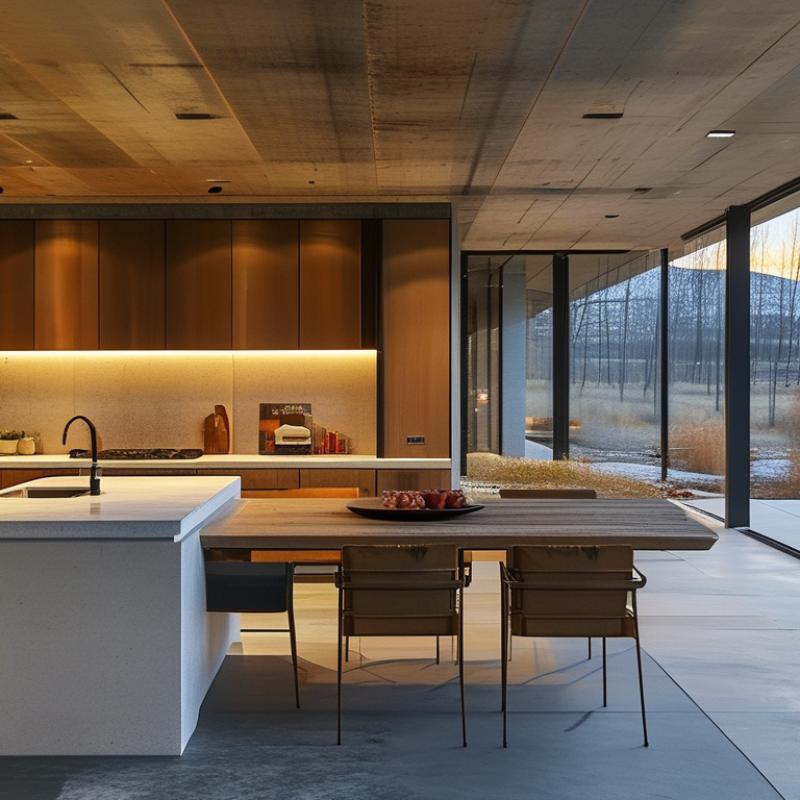
In 2026, luxury modular homes are high-end residences assembled from factory-built sections. They are not temporary cabins. Each module is engineered indoors, then transported and joined on a prepared site. This process can improve consistency and reduce weather-related construction delays. Luxury appears in the details: wide glass walls, quiet bedrooms, stone surfaces, custom lighting, and carefully planned storage. Buyers can still request unusual layouts, private courtyards, or home offices.

A well-designed modular home may use high-performance insulation, airtight construction, heat pumps, and low-energy lighting. Some include recycled materials, rainwater systems, or rooftop solar preparation. However, sustainability is not automatic. Transport distance, foundation work, and material choices still affect the home’s environmental impact.

Independent energy modeling and documented product specifications matter more than attractive claims. Local building officials must also inspect the finished structure, just as they would with conventional housing.

From a practical viewpoint, factory production offers cleaner work areas and repeatable quality checks. It can also limit last-minute changes after fabrication begins. That constraint surprises some owners. Luxury modular housing is flexible, but not endlessly flexible. A careless site survey can create expensive problems, especially around road access, drainage, or crane placement. The result feels modern and refined, yet its success depends on ordinary decisions made before delivery: accurate measurements, skilled installation, and realistic maintenance planning.

How Are Luxury Modular Homes Designed and Built?

Luxury modular homes begin with a detailed digital model, not a finished room. Designers coordinate structure, insulation, plumbing, lighting, and ventilation before factory production starts. This reduces clashes hidden inside walls. It also allows engineers to test daylight, heating demand, and summer overheating. Large windows may look impressive, but they can increase cooling loads without external shading.

Inside the factory, workers assemble wall panels and roof sections on level platforms. Protected conditions help keep timber, insulation, and electrical components dry. Cutting equipment can measure materials accurately, reducing offcuts. Still, factory precision is not perfect. Transport routes limit module size, while heavy lifting equipment can disturb a carefully prepared site. Every joint needs inspection after delivery.

Sustainable design depends on more than recycled finishes. A high-performance envelope, airtight membranes, balanced ventilation, and low-carbon heating usually matter more. Designers should verify thermal bridges around windows and module connections. They should also check moisture levels before closing walls. Small errors become expensive later.

The building site remains important. Local soil, drainage, wind exposure, and planning rules can change the design. Imported materials may weaken the environmental benefits of efficient production. Long-term performance should be measured through energy bills, indoor humidity, and maintenance records. Some luxury features are difficult to justify when they add complexity without improving comfort. A quieter, smaller system may serve residents better.

Which Sustainable Technologies Do They Use?

Luxury modular homes are becoming test beds for cleaner construction. Their strongest sustainability gains often start before installation. Factory-controlled cutting can reduce material waste, but results depend on design and transport logistics. The United Nations Environment Programme’s 2023 Global Status Report for Buildings and Construction found that buildings used 34% of global energy and produced 37% of energy- and process-related carbon emissions in 2022. That makes every efficiency decision significant.

High-performance insulation, airtight membranes, triple glazing, and careful thermal-bridge detailing reduce heating and cooling demand. Heat pumps can then provide efficient temperature control. The International Energy Agency reports that heat pumps can deliver three to five units of heat for each electricity unit in suitable conditions. Rooftop solar panels, home batteries, and smart energy controls can increase self-consumption. Rainwater collection may support irrigation and toilet flushing, while low-flow fixtures reduce daily demand. Small details matter. A shaded terrace can outperform expensive technology when summer heat becomes intense.

Sustainable materials also need scrutiny. Recycled steel, certified timber, and low-carbon concrete can reduce embodied emissions, but claims vary by supplier. The RICS Whole Life Carbon Assessment guidance recommends measuring both construction-stage and operational carbon. Large glass walls may look elegant, yet they can create overheating and higher cooling loads. An all-electric home is not automatically low-carbon, especially where the grid still relies heavily on fossil fuels. Factory precision helps, but it does not erase poor site choices, long-distance transport, or oversized floor plans. Some sustainability promises remain fuzzy. Independent lifecycle assessments and verified product data are essential before accepting them.

How Sustainable Are Their Materials, Energy Systems, and Construction?

Luxury modular homes in 2026 should be judged by life-cycle evidence, not polished finishes.
The United Nations Environment Programme reports that buildings and construction created 37% of global energy and process-related emissions in 2022. Factory production can improve material control and reduce site disturbance. It does not automatically make a home sustainable. Transport distances, replacement cycles, and factory energy sources still matter.

Materials need transparent measurement. The World Green Building Council estimates that building materials account for about 11% of global energy-related carbon emissions. Low-carbon concrete, recycled steel, certified timber, and reused finishes can reduce embodied impacts. Environmental Product Declarations provide useful comparisons, although product data is sometimes incomplete. That weakness deserves attention. A beautiful interior may hide a carbon-heavy structure.

Energy systems create another important test. The U.S. Department of Energy states that modern heat pumps can deliver two to four times more heating energy than the electricity they consume. Pairing them with rooftop solar, battery storage, airtight envelopes, and balanced ventilation can reduce operational demand. However, performance depends on climate, installation quality, and occupant habits. The International Energy Agency continues to identify building efficiency as a major route toward lower energy demand. Designers should publish measured results after occupancy, not only computer predictions. Mistakes remain possible. That is honest.

What Are Their Costs, Benefits, and Environmental Limitations?

Luxury modular homes can reduce construction waste, but sustainability is not automatic. Factory production improves measurement and material control. The Modular Building Institute reports that controlled manufacturing can reduce weather-related delays and rework. McKinsey’s modular construction analysis estimates potential cost savings of 20% and schedule reductions of 20% to 50%. Those figures describe possible outcomes, not guaranteed prices. Luxury finishes, difficult sites, transport, foundations, and local labor can raise total costs quickly.

The environmental case depends on the whole building life cycle. The 2024 UNEP Global Status Report states that buildings and construction consumed 32% of global energy and produced 34% of global carbon emissions in 2022. A highly efficient modular home may lower operational energy through airtight envelopes, heat pumps, and factory-tested insulation. However, large glazed walls, imported stone, complex mechanical systems, and frequent finish replacements can increase embodied carbon. Delivery trucks still burn fuel.

This is where buyer judgment matters. Ask for an energy model, product-level carbon data, and a waste-management record. The U.S. Environmental Protection Agency identifies construction and demolition debris as a major waste stream, yet factory waste can be easier to sort and reuse. Still, “recyclable” does not mean recycled. That distinction is often missed. A compact design may outperform a larger luxury home with better marketing. Costs also deserve skepticism: published savings may exclude land preparation, permits, utility connections, and upgraded interiors. The promise is credible. The boundaries are not always clear.

FAQS

: What is a luxury modular home?

: It is a high-end residence assembled from factory-built sections. Each module is transported and joined on a prepared site. It is not a temporary cabin.

Which luxury features can buyers request?

Buyers may request wide glass walls, stone surfaces, custom lighting, and quiet bedrooms. Private courtyards and home offices are also possible. Storage deserves careful planning.

How does factory construction improve quality?

Indoor production protects materials from rain and snow. Workers can repeat inspections under controlled conditions. However, factory precision cannot fix inaccurate site measurements.

Can a modular home be highly sustainable?

It can reduce waste through controlled cutting and efficient design. Sustainability still depends on transport, foundations, materials, and energy sources. The answer is not automatic.

Which energy systems are commonly used?

High-performance insulation and airtight construction reduce heating and cooling demand. Heat pumps can provide efficient temperature control in suitable conditions. Solar panels, batteries, and smart controls may improve energy use.

Are large glass walls environmentally friendly?

Large glass walls provide daylight and dramatic views. They may also increase overheating and cooling demand. External shading can help.

Which materials should buyers examine?

Buyers should request information about recycled steel, certified timber, and low-carbon concrete. Environmental product documents can support better comparisons. Some claims remain vague.

What site problems can increase costs?

Narrow roads may prevent module delivery. Poor drainage can damage foundations and landscaping. Crane placement also needs careful planning. Small mistakes become expensive.

Is a modular home endlessly customizable?

No. Buyers can choose unusual layouts, but changes become difficult after fabrication starts. A late design change may affect structure, transport, and installation. Flexibility has limits.

How should buyers judge long-term performance?

They should compare predicted and measured energy results after occupancy. Maintenance plans should cover filters, heat pumps, seals, and exterior finishes. Beautiful design is not enough.

Conclusion

Luxury modular homes in 2026 combine factory precision, custom architectural design, and high-end finishes to create efficient residences with shorter construction timelines. Unlike basic prefabricated housing, these homes can include open-plan interiors, smart-home systems, advanced insulation, and carefully selected materials. Their design and construction typically involve digital planning, controlled factory production, and on-site assembly, which can reduce waste and improve quality consistency.

The question “how sustainable are luxury modular homes” depends on the complete life cycle of each project. Solar power, heat pumps, energy-efficient windows, water-saving fixtures, passive design, and home energy management systems can significantly reduce operational impacts. Recycled, responsibly sourced, and low-emission materials may further improve sustainability, while factory construction can limit excess material use and transportation delays. However, large floor plans, premium finishes, energy-intensive manufacturing, long-distance delivery, and difficult-to-recycle composite products can reduce environmental benefits. Overall, luxury modular homes can be highly sustainable when their size, materials, energy systems, and future adaptability are planned responsibly.

Oliver

Oliver

Oliver is a seasoned marketing professional with a wealth of expertise in driving brand awareness and engagement. With a deep understanding of our company's product offerings, he consistently delivers high-quality content that enriches our professional blog. His insights not only shed light on......