Top 10 Differences Between Modular Homes and Prefab Homes?

Time:2026-07-30 Author:Sophia
0%

When exploring the housing market, many people find themselves asking, "what is the difference between modular homes and prefab homes?" These terms often create confusion. Both types offer modern alternatives to traditional construction, but they differ significantly in design and manufacturing processes. Understanding these differences is essential for making informed choices about home investment.

Modular homes are built in sections in a factory. These sections are then transported to the building site for assembly. In contrast, prefab homes encompass various types of homes that are built off-site, including modular homes. The broader category includes panelized and kit homes, which can vary widely in construction methods and materials. This difference in classification can affect everything from customization options to structural integrity.

While modular homes often have a more permanent feel, prefab homes can sometimes present challenges in quality control. Buyers may find it difficult to navigate these variations. Thus, thoroughly researching each option is necessary. Engaging with knowledgeable professionals can guide potential homeowners in making the right choice for their needs. Ultimately, an informed decision can lead to a satisfying living experience.
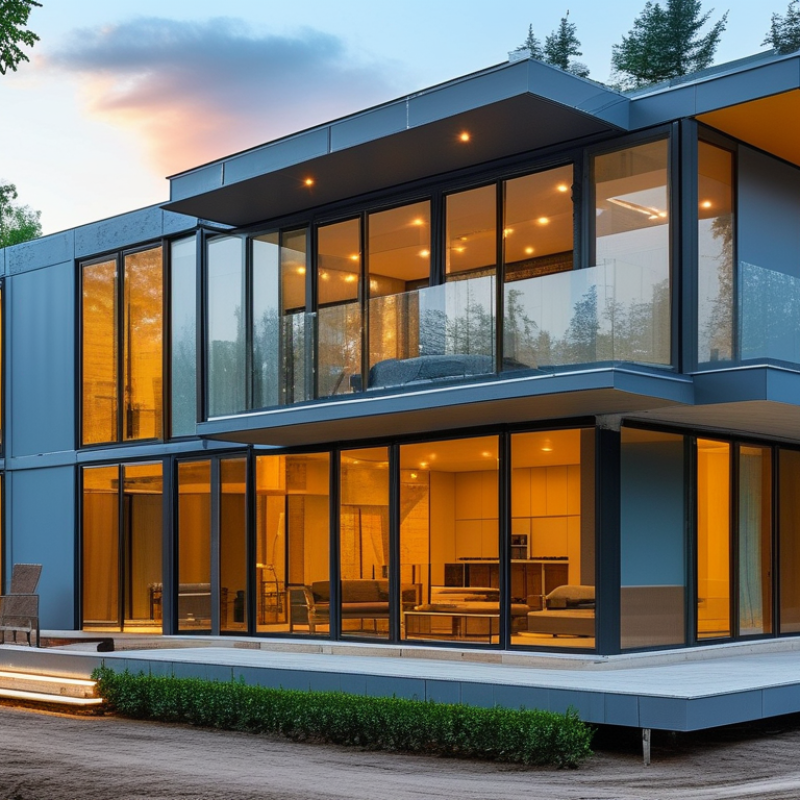
Top 10 Differences Between Modular Homes and Prefab Homes?

Definition and Overview of Modular Homes

Modular homes are a type of housing built off-site in controlled environments. They are constructed in sections or modules, which are then transported to the final site for assembly. This method provides quality control and reduces construction time. Generally, these homes are made to comply with local building codes and standards, ensuring safety and durability.

When considering a modular home, think about the design options available. These homes can be customized to fit specific needs, making them versatile. Many modular homes offer open layouts, energy-efficient features, and modern amenities. It's essential to partner with reliable contractors who understand the modular building process.

Tip: Always check for local regulations before purchasing a modular home. This can impact the timeline and feasibility of your project.

Modular homes can be more affordable than traditional homes. However, upfront costs may include land purchase and utility installation. Buyers should also reflect on long-term value and resale potential.

Tip: Explore different financing options available for modular home buyers. Understanding your budget will guide better decision-making.

Comparison of Modular Homes and Prefab Homes

This chart illustrates the key differences between modular homes and prefab homes based on various dimensions such as construction time, cost, design flexibility, and environmental impact.

Definition and Overview of Prefab Homes

Prefab homes, short for prefabricated homes, are constructed off-site and assembled on location. This method significantly reduces construction time. Builders create sections or modules in a controlled environment. This results in fewer delays due to weather or labor issues. Additionally, the precision of factory production often enhances quality.

Prefab homes offer various designs and styles, suitable for many tastes. They can be customized, making them appealing for different homeowners. While the initial cost may be competitive, ongoing maintenance is crucial. Some prefab homes may present challenges in energy efficiency. As technology advances, many are engineered for improved performance. However, this does not eliminate potential concerns.

The popularity of prefab homes is growing globally. They represent a quick, efficient housing solution. Still, buyers need to consider zoning laws and land options. Not all regions support prefab construction. Carefully researching local regulations is essential to avoid pitfalls. Potential homeowners should weigh the pros and cons of building methods available to them.

Top 10 Differences Between Modular Homes and Prefab Homes

Feature Modular Homes Prefab Homes
Construction Method Built in sections and assembled on-site Manufactured off-site and can include various building types
Foundation Requires a permanent foundation Can be placed on various types of foundations
Customization High level of customization available Limited customization options
Building Codes Must comply with local building codes May not be subject to the same local codes
Transportation Transported in modules Transported as complete units
Time to Build Shorter construction time on-site Generally quicker to assemble
Cost Higher initial cost, but can save over time Often lower initial costs
Appearance Can resemble traditional homes May have a more utilitarian look
Energy Efficiency Often designed for energy efficiency Varies widely, less consistency
Loan Financing Financed like traditional homes Can face challenges with financing

Key Construction Methods Used in Modular vs. Prefab Homes

When comparing modular homes and prefab homes, understanding their construction methods is essential. Modular homes are built in sections, or modules, in a factory setting. These modules are transported to the site and assembled. The process can be swift and efficient. Typically, modular homes adhere to local building codes, making them quite reliable.

On the other hand, prefab homes encompass a broader category. This includes homes made from panelized systems or kits. These pieces might be manufactured off-site but often require more on-site assembly. The flexibility in design can be appealing, yet the construction timeline can vary significantly. It's worth noting that while prefab homes offer various designs, they may not always meet local regulations like modular homes do.

Both types of homes present unique challenges. Quality control can vary in prefab construction due to the diversity in production methods. Homeowners may find discrepancies in energy efficiency and long-term durability. These factors require careful consideration. Each home type has its pros and cons. Ideally, potential buyers should assess their needs and local regulations before deciding.

Major Design and Customization Differences

Modular homes and prefab homes often get confused. However, their design and customization options differ significantly. Modular homes are constructed in sections and must comply with local building codes. This allows for a more tailored design. Buyers can choose layouts, materials, and finishes that suit their style.

Prefab homes, on the other hand, are built in a factory and transported as a whole. Customization options are typically limited to a few models. This can be a drawback if you envision something unique. While the assembly is quicker, flexibility in design is sacrificed.

When considering your options, think about your needs. Do you want a unique home that reflects your personality? Modular homes offer that flexibility. Keep in mind, though, that custom designs may come at a higher cost.

Before deciding, evaluate your budget and lifestyle. It helps to consult with a professional who understands the differences well. They can guide you through which option aligns best with your vision. Researching and sharing ideas can lead to more satisfying results in the long run.

Cost Comparison Between Modular Homes and Prefab Homes

When comparing the costs of modular homes and prefab homes, it’s essential to look at key figures. Modular homes typically range from $100 to $200 per square foot. This price varies based on customizations and finishes chosen. Prefab homes, on the other hand, often fall in the range of $80 to $150 per square foot. The lower initial costs make prefab homes appealing, but long-term value can differ significantly.

According to a report by the National Association of Home Builders, modular homes are constructed faster, which can save on labor costs. They are built to the same building codes as traditional homes, ensuring quality and durability. In contrast, some prefab homes may compromise on structural integrity for cost. It raises questions about long-term energy efficiency and maintenance costs. Initial savings can lead to higher expenses if durability is lacking.

Financing options should also be factored into decisions about modular versus prefab homes. Modular homes can qualify for traditional mortgages, while some lenders treat prefab homes as personal property. This can complicate financing for potential buyers. Understanding these distinctions is crucial for anyone considering a purchase, as the upfront cost is just one piece of the puzzle.

FAQS

: What are modular homes?

: Modular homes are built in factory sections and then transported for on-site assembly.

How do prefab homes differ from modular homes?

Prefab homes are a broader category, including various kits and panelized systems requiring more on-site work.

Are modular homes compliant with local building codes?

Yes, modular homes typically meet local building codes, which adds to their reliability.

Can you customize modular homes?

Yes, modular homes offer extensive customization options for layouts and finishes, reflecting personal style.

What are the cost ranges for modular and prefab homes?

Modular homes range from $100 to $200 per square foot, while prefab homes range from $80 to $150.

What financing challenges exist for prefab homes?

Some lenders see prefab homes as personal property, complicating financing compared to modular homes.

What are the potential long-term concerns for prefab homes?

Prefab homes may have issues with energy efficiency and durability, leading to higher long-term costs.

How does construction time impact costs?

Modular homes are constructed faster, saving on labor costs, while prefab homes may require more time on-site.

Are customization options limited for prefab homes?

Yes, prefab homes usually have limited models, which can restrict unique designs and flexibility.

Why is it important to consult a professional?

A professional can help navigate differences and ensure the chosen home aligns with your budget and needs.

Conclusion

When exploring what is the difference between modular homes and prefab homes, it's essential to understand their definitions and construction methods. Modular homes are prefabricated buildings constructed in sections or modules off-site and then transported to the final location for assembly. On the other hand, prefab homes encompass a broader category that includes various types of prefabricated structures, such as panelized homes and kit homes, which may not follow the same modular assembly process.

Key differences also arise in design and customization options—modular homes typically offer more flexibility in layouts and features, while prefab homes may come with restrictions based on their manufacturing process. Additionally, a cost comparison reveals that while both options can offer affordable alternatives to traditional homebuilding, modular homes often provide a more cost-effective solution due to their streamlined construction process. Understanding these distinctions can help potential buyers make informed decisions when considering their housing options.

Sophia

Sophia

Sophia is a dedicated marketing professional with an exceptional depth of knowledge about her company's products and services. With a keen understanding of market trends and customer needs, she crafts insightful blog posts that not only inform but also engage readers, enriching the company’s online......