When considering the durability of homes, a common question arises: are modular homes as durable as traditional homes? Industry expert Dr. Jane Whitaker from the National Association of Home Builders highlights, "Modular homes undergo strict quality control measures that can surpass traditional builds." This statement reflects the growing interest in modular construction, especially among environmentally conscious buyers.
Recent studies indicate that modular homes can withstand extreme weather and seismic activity effectively. For instance, a report by the Modular Home Builders Association states that modular homes demonstrate 10% better structural integrity compared to their traditional counterparts. This durability stems from a controlled manufacturing environment that allows for precise engineering and material selection.
However, not all modular homes maintain this level of durability. Factors such as design choices and local environmental challenges play crucial roles. Some homeowners have reported issues after installation, raising questions about the long-term efficacy of certain models. Reflecting on these challenges will help inform future buyers about what to expect from both modular and traditional homes.
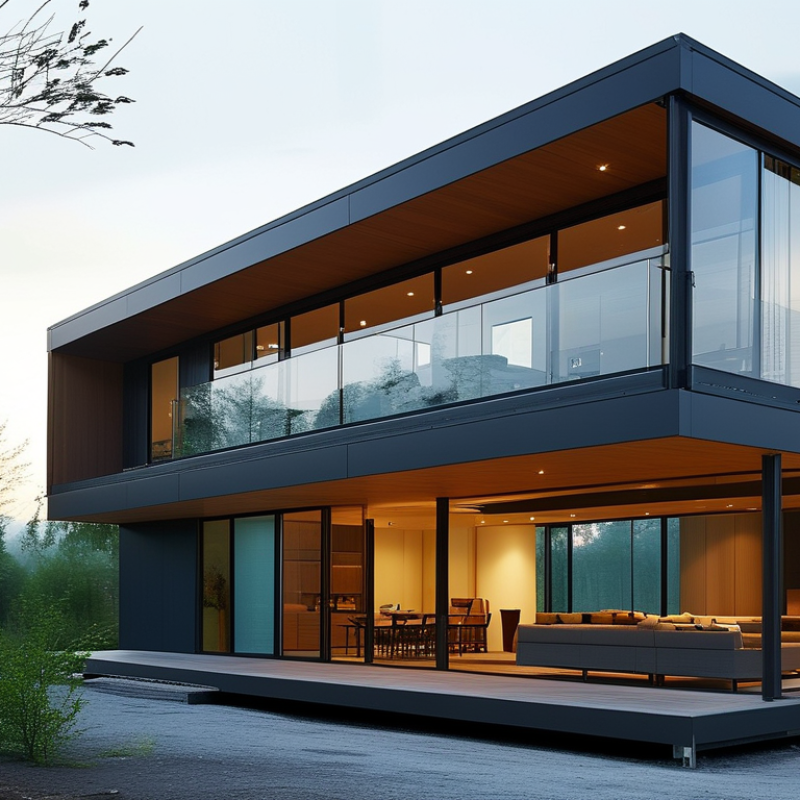
The durability of modular homes is influenced by various factors. Materials used in construction play a significant role. High-quality materials can enhance longevity. Alternatively, using subpar materials may lead to maintenance issues. Weather conditions also affect durability. Homes in areas prone to extreme weather need special attention.
Construction methods are equally important. Modular homes are built in a factory setting. This controlled environment often leads to better craftsmanship. However, poor assembly can lead to problems. Ensuring proper installation is crucial for durability. Engaging skilled professionals can make a difference.
Tips: Always inspect materials before purchase. Look for weather-resistant features. Regular maintenance is key to lasting integrity. Consider your local weather when planning your home. Recognizing these factors can lead to better choices. It is essential to weigh the pros and cons. Not every modular home is created equal.
Modular homes and traditional homes differ significantly in the materials used for construction. Modular homes often utilize advanced building materials, designed for efficiency and durability. Many modular homes use high-strength materials like engineered wood and steel. These materials enhance structural integrity, ensuring resilience against environmental pressures. According to the National Association of Home Builders, modular homes can withstand wind speeds of up to 175 mph.
On the other hand, traditional homes typically use conventional lumber, which may be more vulnerable to pests and moisture. The longevity of lumber can be impeded by termites or water damage, leading to increased maintenance costs. Research suggests that homes built with synthetic materials can last longer without requiring extensive repairs. Though traditional homes offer aesthetic appeal, they often come with hidden costs related to upkeep.
It's crucial to consider these material differences when evaluating durability. Some might argue that traditional homes offer more character, but this often doesn't ensure a stronger build. While modular homes may appear less customizable initially, their use of innovative materials can lead to greater long-term savings and sustainability. Balancing appearance and durability is a challenge for many homeowners today.
| Building Material | Modular Homes | Traditional Homes | Durability Rating |
|---|---|---|---|
| Wood Frame | Solid Construction | Vulnerable to Warping | 7/10 |
| Steel Frame | Resistant to Pests | Corrosion Risk if Unprotected | 9/10 |
| Concrete | Long-lasting and Strong | Heavy and Expensive | 10/10 |
| Insulation Materials | High Energy Efficiency | Standard Efficiency | 8/10 |
| Roofing Material | Durable and Lightweight | Varies Significantly | 6/10 |
When comparing the durability of modular homes to traditional homes, structural design plays a crucial role. Modular homes typically utilize factory-built components, which allows for precise engineering. This method can enhance consistency and reduce construction errors. The controlled environment of a factory means that materials are less susceptible to warping or damage during assembly. Traditional homes may rely on on-site construction methods, leading to variations in quality and potential weaknesses.
One aspect to consider is how modular homes withstand environmental stressors. Many modular designs incorporate advanced materials and techniques, enhancing their resilience against weather and natural disasters. However, traditional homes often emphasize local building methods. This can lead to structures that, while uniquely designed, may not be as rigorous in terms of modern safety standards.
Both types of homes have their benefits and drawbacks. While modular homes can be more durable overall, some traditional homes boast superior craftsmanship. Homebuyers should weigh these factors carefully, considering both short-term needs and long-term investments. Each option presents different challenges and advantages, reflecting a balance between innovation and tradition.
Modular homes are increasingly recognized for their environmental resilience. Unlike traditional homes, they are often constructed in controlled factory settings. This method reduces exposure to harsh weather during building. Consequently, the materials used tend to be more durable. Many modular homes feature materials that withstand moisture and extreme temperatures better than standard options.
However, the environmental resistance of modular homes can vary greatly. Some builders prioritize cost-cutting over quality, leading to potential weaknesses. While many modular structures are designed to be efficient and resilient, not all meet the same standards. Homeowners should thoroughly research and select builders committed to quality materials.
It is essential to consider the overall design and location as well. Modular homes built in flood-prone areas may require specific adjustments. Creative solutions, like elevated foundations, can enhance durability. Lastly, while modular homes have many advantages, careful planning is crucial to ensure they meet the needs of their environment.
When comparing the maintenance requirements of modular homes and traditional homes, several key factors emerge. Modular homes are built in controlled environments, often leading to better quality finishes and fewer defects. This can result in lower ongoing maintenance costs. A report from the National Association of Home Builders (NAHB) suggests that modular homes can experience up to 20% less maintenance compared to their traditional counterparts.
However, it's essential to consider the materials used. Some modular homes may use less durable materials, which can lead to higher repair needs over time. Regular inspections are vital. Homeowners should anticipate potential issues, including settling and sealant wear. A study published by the Home Innovation Research Labs indicated that 30% of modular home owners noted issues within the first five years.
In contrast, traditional homes might require more frequent upkeep, particularly in older structures. Roof replacements and plumbing upgrades can accumulate extensive costs. Moreover, the unique regional climates can greatly influence the maintenance needs. Proper awareness of these factors can help in decision-making around home ownership.
: The durability is influenced by materials used, construction methods, and local weather conditions.
High-quality materials enhance longevity. Subpar materials can lead to maintenance issues and early deterioration.
Factory settings promote better craftsmanship. Poor assembly, however, can lead to significant problems.
Improper installation can compromise durability. Engaging skilled professionals is vital for ensuring a solid structure.
Regular inspections and weather-resistant features are essential. Consistent upkeep prevents major issues down the line.
Modular homes often offer better consistency, while traditional homes may have unique craftsmanship appeals.
Homes in extreme weather areas need special features for durability. Recognizing this is important during planning.
Not every modular home is built the same. It's essential to evaluate quality and design before making a choice.
Modular designs often use advanced materials for better resilience. Buyers should evaluate local building methods too.
Consider both immediate needs and long-term investments. Each type has unique challenges and advantages to reflect on.
The article "How Durable Are Modular Homes Compared to Traditional Homes?" explores various factors that influence the durability of modular homes. Key aspects include the building materials used, which often differ from those in traditional homes. While modular homes may use lightweight materials, they can still be engineered for strength. Additionally, structural design differences can play a significant role in longevity, as modular homes are often built in a controlled environment, which can enhance their overall resilience.
Environmental resistance is another critical factor discussed, reflecting how modular homes stand up to weather conditions compared to their traditional counterparts. Maintenance requirements are also examined, highlighting that both types of homes have unique needs. Overall, the article addresses the question: are modular homes as durable as traditional homes? It concludes that, although there are differences, well-constructed modular homes can offer comparable durability under the right conditions.

CovetNest Build