Financing a luxury modular home can seem daunting in today’s market. Many potential homeowners face challenges due to evolving regulations and fluctuating interest rates. Understanding how to finance a luxury modular home requires a blend of research and strategy.
One needs to assess various financing options, including traditional mortgages, construction loans, and specialized lenders. Each option carries distinct advantages and potential drawbacks. For instance, construction loans might offer more flexibility but may also involve higher costs. Additionally, it's crucial to establish a solid budget, considering the personalized features that often accompany luxury modular homes.
Potential buyers should also reflect on their financial health. Poor credit scores or inadequate down payments could hinder the financing process. It’s beneficial to consult with real estate professionals or financial advisors who understand the nuances of modular home financing. This expertise can help in navigating the complexities and making well-informed decisions. Ultimately, securing the right financing is integral to realizing the dream of owning a luxury modular home.
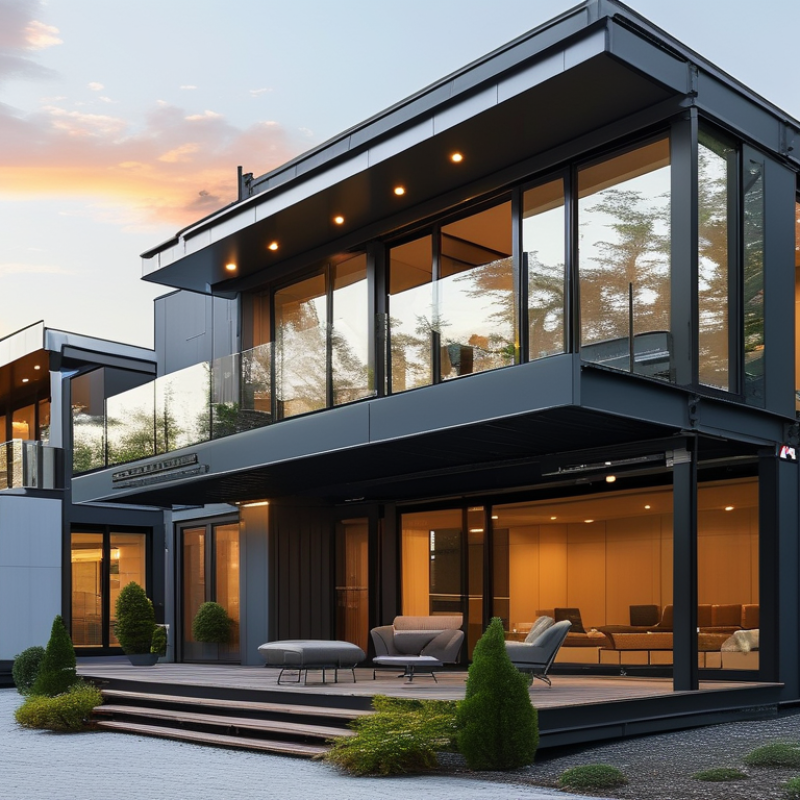
The luxury modular home market increasingly attracts buyers seeking efficient, custom-built living spaces. This sector blends craftsmanship with modern technology, appealing to those desiring high-end features without traditional construction hassles. Many buyers appreciate the swift assembly and reduced labor costs associated with modular homes. However, finding the right financing can be a challenge, as lenders often treat modular homes differently than site-built ones.
Understanding the market dynamics is crucial. Potential buyers should analyze current trends. Factors like location, design innovations, and energy efficiency can significantly influence pricing. Buyers might also need to consider the resale value of modular homes. Despite their growing popularity, some may still question their long-term value compared to conventional constructions.
Some lenders hesitate to finance luxury modular homes. This could be due to misconceptions about their quality or permanence. Buyers should come prepared with documentation showing the home's quality. Engaging with industry experts can provide clarity and tailored solutions for financing. Understanding these nuances is vital for securing the best financing options in today's market.
When considering financing options for luxury modular homes, understanding your choices is crucial. Traditional loans can be challenging. Many lenders are unfamiliar with luxury modular homes. Specialized financing options might be a better fit.
One option is construction-to-permanent loans. These loans cover the building phase and convert to a mortgage once the home is completed. This route offers flexibility but may have stricter requirements. It's essential to have a solid plan and realistic budget to appeal to lenders.
Tips: Always maintain a detailed project timeline. This will impress potential lenders and help you stay on track. Consider working with a mortgage broker who understands the luxury modular market. They can guide you through the process. Diversifying your financial portfolio can also be beneficial, as it may strengthen your application.
Many buyers underestimate the total costs. Land preparation, utilities, and custom features add up. A keen eye on hidden expenses is vital to avoid unpleasant surprises. Research thoroughly and seek advice from experts in the field.
When considering financing a luxury modular home, evaluating credit scores is crucial. A score above 700 typically signifies financial health. This can afford borrowers better interest rates. According to a recent report by FICO, nearly 30% of Americans have a credit score below this threshold. This illustrates a common hurdle for many aspiring homeowners.
Financial health encompasses more than just credit scores. Lenders also look at debt-to-income ratios. A healthy ratio should ideally be below 36%. Many households struggle to maintain this balance due to rising living costs. According to the National Housing Council, housing expenses have increased by nearly 25% in the last five years.
Additionally, having a solid savings cushion can significantly impact financing options. Banks often prefer borrowers with emergency savings equal to three to six months of expenses. However, nearly 40% of Americans report not having this safety net. This scenario creates barriers in securing favorable loan terms.
When selecting a lender for financing a luxury modular home, transparency is key. Many lenders may not fully disclose fees or terms. Recent industry reports indicate that nearly 30% of buyers feel misinformed during the financing process. Understanding the overall costs involved can mitigate this issue. Always request a detailed breakdown of fees. Look beyond the interest rate. The fine print matters.
Another factor is the lender's experience with modular homes. Not all lenders understand this market. According to a survey by the Modular Home Builders Association, about 40% of modular home buyers reported difficulties securing financing with traditional lenders. Seek out lenders specializing in modular home financing. Their expertise can lead to better terms and fewer hurdles.
Consider the lender's reputation. Online reviews, testimonials, and ratings can provide insight. A survey from the Consumer Financial Protection Bureau (CFPB) shows that 68% of buyers preferred lenders with solid reputations. Trust is essential, especially in luxury markets. Engage with potential lenders directly. Ask questions and gauge their responses. This will reveal much about their reliability. Without careful selection, financing can become a frustrating experience, leading to regrettable choices.
Navigating government programs can be daunting for potential homebuyers. Many states offer financial incentives to make homeownership more accessible. These programs can significantly reduce the costs associated with purchasing a luxury modular home. It's essential to research available local, state, and federal programs.
One useful strategy is to explore First-Time Homebuyer Programs. These often include grants or low-interest loans. Additionally, some regions may provide tax credits. Local housing authorities often have resources that inform buyers about available incentives. Consider reaching out to them for tailored advice.
Tips: Always keep documentation ready. Having your financial records in order can speed up the application process. Don't hesitate to ask for help. Sometimes, professionals can provide insights about hidden grants. Stay up-to-date with changing regulations. Policies can shift, impacting your financing options. This awareness could lead to unexpected opportunities.
: Buyers are drawn to efficiency and custom-built features, combining craftsmanship with modern technology.
Yes, buyers appreciate the swift assembly, which reduces construction time and labor costs.
Many lenders view them differently than site-built homes, leading to misconceptions about quality and permanence.
Buyers should prepare documentation that demonstrates the home's quality and features.
Location, design innovations, and energy efficiency significantly affect the market prices of these homes.
This loan covers building costs and converts to a mortgage once the home is completed, offering flexibility.
Many underestimate total costs, including land preparation and utilities, which can lead to unexpected expenses.
Experts can provide clarity on financing options and insights tailored to the luxury modular market.
A detailed timeline impresses lenders and ensures that the project stays on track.
A varied portfolio may strengthen a buyer's application for financing luxury modular homes.
In today's market, understanding how to finance a luxury modular home requires a grasp of the unique dynamics that define this sector. Buyers should explore various financing options, including traditional mortgages and specialized lenders that cater specifically to modular homes. Evaluating one’s credit score and overall financial health is crucial, as these factors significantly impact loan eligibility and terms.
When selecting the right lender for modular home financing, it's important to consider their experience with luxury properties and modular construction. Additionally, many government programs and incentives exist to support homebuyers, which can offer valuable financial assistance. By staying informed about these elements, prospective homeowners can effectively navigate the process of financing a luxury modular home, ensuring a smooth and rewarding experience.

CovetNest Build