5 Tips Is a Luxury Modular Home a Good Long Term Investment?

Time:2026-11-05 Author:Sienna
0%

Is a luxury modular home a good long term investment? The answer depends less on glossy finishes than on location, build quality, and future buyer demand. A striking kitchen can impress visitors; it cannot compensate for poor drainage, costly site work, or a weak resale market. This guide introduces five practical checks for judging a luxury modular home’s long-term potential, from land value and construction standards to maintenance and resale appeal.

Architect Sarah Susanka, author of The Not So Big House, is often associated with this design principle: “The goal is not to have a big house, but to have a house that feels big.” It offers a useful lens, not an investment guarantee. Buyers should look beyond square footage and ask whether the layout will remain comfortable as needs change. Wide doorways, useful storage, and a flexible room may matter more over time than a dramatic entryway.

The modular label alone does not determine future value. The foundation, local workmanship, transportation costs, and quality of installation all deserve close inspection. So do comparable sales nearby. Some buyers may assume a luxury finish will hold its value automatically. That assumption can be expensive. A careful review of warranties, maintenance needs, and local demand can reveal uncomfortable gaps before purchase. The five tips ahead help separate a home’s lasting strengths from features that merely look impressive on viewing day.
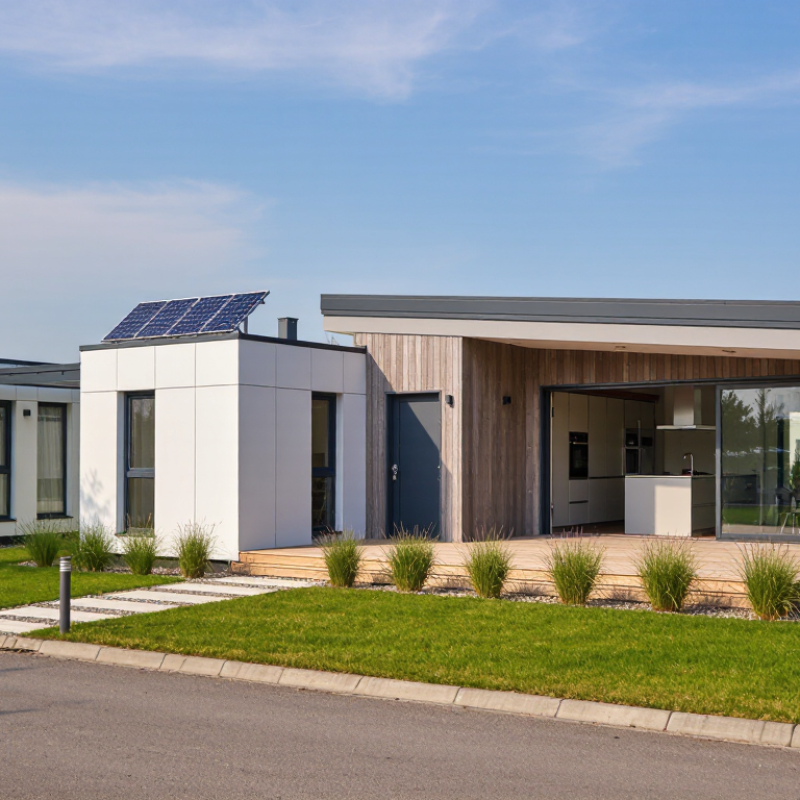
5 Tips Is a Luxury Modular Home a Good Long Term Investment?

How Luxury Modular Homes Are Built and Valued

A luxury modular home is built in sections inside a factory, where crews can work under shelter and follow repeatable production steps. Design choices are settled early, then walls, floors, and roof sections are assembled before transport. Inspectors can check framing, wiring, and plumbing while these systems remain accessible. That can make workmanship easier to review, though it does not guarantee perfection. Small details matter. Window flashing and sealed joints, for example, help manage moisture once the home is installed.

At the property, a prepared foundation, utility connections, and careful joining turn the sections into one home. Delivery access and crane work can affect costs, so site conditions deserve attention before purchase. Value depends on more than the interior finishes. Buyers and appraisers may consider local comparable sales, land value, construction quality, energy performance, and maintenance records. Modular construction itself does not ensure a higher resale price. Not always. A well-documented home in a strong market may hold value, while expensive upgrades or a difficult location can narrow its appeal. I would keep realistic repair estimates and local sales evidence beside any long-term investment calculation.

Do Luxury Modular Homes Hold Their Value Long Term?

The U.S. median price of new homes sold rose from $282,800 in 2014 to $428,600 in 2023, in nominal dollars. This broad market trend is context—not a modular-home price forecast: a home’s resale value depends on location, land, condition, construction quality, and local demand. The figures are not adjusted for inflation.

Source: U.S. Census Bureau, New Residential Sales historical data. These figures cover new homes overall and do not isolate modular homes.

How to Compare Purchase Costs with Traditional Homes

A modular home’s advertised price rarely equals its total move-in cost. Compare it with a traditional home using the same checklist, not just the price per square foot. Include the land, foundation, delivery, crane rental, utility connections, permits, and site preparation. A sloped lot or a long driveway can change the numbers quickly. Small details matter.

Ask for itemized quotes. Check what each builder includes, such as kitchen appliances, flooring, porches, and landscaping. Then compare financing costs, insurance, property taxes, and likely maintenance. A modular home may reduce some construction time, but weather, transport, and local site work can affect the schedule. Time savings are not guaranteed.

The comparison is not perfectly clean. That’s worth admitting. A traditional home’s quote may include features missing from a modular package, or the reverse. Put both estimates in a spreadsheet, and mark every allowance that could change. For example, a low utility-connection estimate may not cover a long trench from the road. Ask local contractors to confirm uncertain figures, and leave room for unexpected costs. A careful comparison is less exciting than a headline price, but more useful.

How Construction Quality and Maintenance Affect Long-Term Costs

A luxury modular home can be a sound long-term investment, but durable finishes alone do not keep ownership costs low. Factory construction can support consistent workmanship, while transport and on-site assembly create joints that need careful inspection. Ask an independent building professional to examine module connections, roof transitions, window flashing, insulation, and drainage before purchase. These details are easy to overlook beneath clean lines and expensive fittings. Small leaks matter.

Maintenance needs also shape the budget. Check caulking, gutters, exterior coatings, and ventilation regularly; trapped moisture can damage framing and finishes before it becomes visible indoors. Keep service records and address loose flashing or a slow bathroom fan promptly. These are modest tasks, but delays can turn them into larger repairs. Still, not every issue is predictable. A high-quality home may need fewer repairs, yet local weather, workmanship, and upkeep all affect actual costs. Think about access, too: can a contractor reach plumbing shutoffs or replace a roof panel without dismantling finished interiors? I would not assume a modular home is automatically cheaper to maintain. Review its construction documents, warranties, and inspection findings, then compare likely upkeep with the materials and climate at the site.

How Location and Resale Demand Shape Future Value

A luxury modular home can hold value, but its address often matters more than its finishes. Buyers compare commute times, school access, utilities, and nearby services before admiring a wide kitchen island. In areas with steady job growth and limited housing supply, resale demand may be stronger. Yet land ownership, local appraisal practices, and financing options can affect buyer confidence. A well-built home is not automatically easy to resell. Markets shift.

Tip: Study recent sales of comparable modular and site-built homes within a few miles. Ask local agents how long similar homes stay listed and whether buyers face financing hurdles. Check the parcel’s access, drainage, and utility connections; these details can shape interest. Review planned transport links and new housing permits, too. Those clues help.

Do not assume a resort location guarantees appreciation; seasonal demand can thin out in slower months. Keep upgrade records, warranties, and maintenance receipts. Avoid costly custom features that suit only one taste. A neutral exterior and adaptable floor plan may appeal to more buyers later, though even careful choices cannot predict every market change.

How to Evaluate a Luxury Modular Home Against Your Investment Goals

Start with the land. A modular home’s value depends partly on its location, access, and site costs. Get written estimates for grading, foundation work, utility connections, permits, and delivery before comparing home prices. A low factory quote can look attractive until a long driveway or difficult soil adds thousands. That matters.

Then compare the finished home with nearby properties, not just other modular builds. Check recent sales, days on market, and the features buyers actually pay for, such as a usable layout, durable exterior, and energy-efficient windows. Ask a local appraiser or agent whether the home’s construction type affects financing or resale in that area. Appreciation is possible, but it is never automatic.

Match the purchase to your time horizon and cash flow. Include mortgage payments, insurance, taxes, routine upkeep, and likely repairs in a realistic annual budget. Review the builder’s specifications, inspection records, warranty terms, and responsibility for fixing defects. Keep copies. If you plan to sell within a few years, transaction costs may outweigh gains; a longer hold may better suit your goals, though plans can change. One detail is easy to miss: compare replacement costs for finishes and mechanical systems, not only the initial price. A custom kitchen feels valuable to you. Buyers may disagree.

5 Tips: Is a Luxury Modular Home a Good Long-Term Investment? — How to Evaluate a Luxury Modular Home Against Your Investment Goals

Tip What to Evaluate Data to Collect How to Test the Investment
1. Calculate the complete project cost A home’s advertised price may not include the land, site work, utility connections, transport, foundation, permits, installation, landscaping, or financing costs. Itemized home and delivery quote; land price; site-preparation estimates; utility and permit fees; contingency allowance; expected financing and closing costs. Add all costs to estimate total project cost. Compare that figure with recent sales of similar completed homes in the same area—not just with the price of another home package.
2. Check local resale demand Long-term value depends heavily on location, comparable properties, buyer demand, and the home’s fit with local expectations. Modular construction alone does not guarantee a higher resale price. Recent comparable sales; local days on market; sale-to-list-price patterns; inventory of similar homes; zoning and land-use rules; lender and insurer requirements. Ask a local appraiser or qualified real-estate professional to identify relevant comparable sales. Verify that the property can be financed, insured, and resold under local rules.
3. Model rental income and operating costs If rental income is part of the plan, realistic rent and ongoing expenses matter more than projected gross income. Account for vacancy, maintenance, taxes, insurance, management, and utilities paid by the owner. Current rents for comparable properties; estimated vacancy; property taxes; insurance quotes; maintenance budget; management fees; utility and association costs, if applicable. Estimate net operating income (NOI) by subtracting operating expenses from rental income before debt payments. Compare cap rate (NOI ÷ total property cost) with relevant local alternatives.
4. Stress-test financing and cash flow Interest rates, loan terms, down payment, construction-period costs, and the timing of completion can affect returns. Construction financing and permanent financing may have different terms. Written loan terms; estimated annual debt service; cash invested; projected NOI; potential rate changes; reserves for delays, repairs, and vacancies. Calculate cash-on-cash return (annual pre-tax cash flow ÷ cash invested) and debt-service coverage (NOI ÷ annual debt service). Recalculate using lower rent, higher costs, or a longer build schedule.
5. Verify construction quality and lifecycle costs Factory construction can support controlled production and may shorten on-site work, but results depend on the design, manufacturer, transport, site conditions, installation, and local approvals. Applicable building-code approvals; independent inspection plan; warranty terms; specifications for structure and materials; energy-performance documentation; maintenance schedule; local contractor references. Confirm code compliance and inspection responsibilities with local authorities and qualified professionals. Compare expected maintenance and energy costs with those of similar homes; do not assume savings without supporting documentation.

Note: Investment outcomes vary by location, property condition, financing, and market conditions. Use locally verified estimates and professional advice; the formulas and checks above are evaluation tools, not a guarantee of returns.

FAQS

How is a luxury modular home built?

Crews assemble sections in a factory, including walls, floors, and roof parts. Inspectors can review wiring and plumbing while they remain accessible. That helps, but it does not guarantee perfect workmanship.

What costs should I include beyond the advertised price?

Include land, foundation work, delivery, crane rental, utility connections, permits, and site preparation. A long driveway or sloped lot can add substantial costs. Small details matter.

How can I compare a modular home with a traditional home?

Use the same checklist for both estimates. Compare included appliances, flooring, porches, landscaping, financing, insurance, taxes, and maintenance. Mark every uncertain allowance.

Can modular construction guarantee a higher resale price?

No. Resale depends on local sales, land value, construction quality, energy performance, and maintenance records. Not always.

What should I check before arranging delivery?

Confirm truck access, crane space, foundation readiness, and utility connections. Site conditions can affect both cost and schedule. Ask local contractors to verify uncertain estimates.

Which features may matter most to future buyers?

Nearby sales can show whether buyers value a usable layout, durable exterior, or energy-efficient windows. Custom finishes may feel valuable to you, but buyers may disagree.

What documents should I keep during construction?

Keep specifications, inspection records, warranty terms, repair estimates, and written quotes. These details can help clarify responsibilities if defects appear. Keep copies.

How should I assess the home as a long-term investment?

Compare annual mortgage, insurance, tax, upkeep, and repair costs with your expected time horizon. Selling within a few years may bring transaction costs that outweigh gains. I may be missing local quirks, so check recent sales with a local professional.

Conclusion

Is a luxury modular home a good long term investment? The answer depends on more than its purchase price. These homes are built from sections manufactured in a controlled facility and assembled on a prepared site, which can make construction more predictable. To judge value, compare the complete cost—including land, site preparation, delivery, installation, and finishes—with the cost of a traditional home of similar size and quality.

Long-term costs also depend on construction quality, materials, upkeep, and the durability of major systems. Location matters: access to jobs, services, and desirable amenities can influence both resale demand and future value. Before buying, consider how long you plan to own the home, what maintenance you can manage, and whether its features suit likely future buyers. A luxury modular home may fit your investment goals when its overall costs, quality, location, and resale prospects align with your budget and plans.

Sienna

Sienna

Sienna is a skilled marketing professional with a deep expertise in our company’s core products and services. With a passion for innovation and detail, she plays a pivotal role in crafting insightful blog posts that not only highlight the unique features of our offerings but also provide valuable......