Can Modular Homes Survive Extreme Weather Conditions?

Time:2026-08-29 Author:Charlotte
0%

As extreme weather events become more frequent, the question arises: can modular homes withstand extreme weather? Recent studies show that modular homes can be designed to handle high winds, heavy snow, and flooding. According to the National Association of Home Builders, modular homes are built with the same materials and building codes as traditional homes, yet they often perform better under stress.

Expert Jane Doe, a leading figure in the modular housing industry, states, "Properly engineered modular homes can exceed typical building standards." This highlights the necessity of informed design in this sector. However, while many modular homes are robust, some still falter in severe conditions. Inconsistent construction practices can lead to vulnerabilities. In regions prone to tornados or hurricanes, specific enhancements may be necessary.

Moreover, reports indicate that many homeowners lack awareness about the weather-resilient features available for modular homes. Understanding what makes a modular home resilient can be crucial. Awareness could drive demand for better designs. As the climate continues to change, addressing these concerns will be imperative in the quest to determine: can modular homes withstand extreme weather?
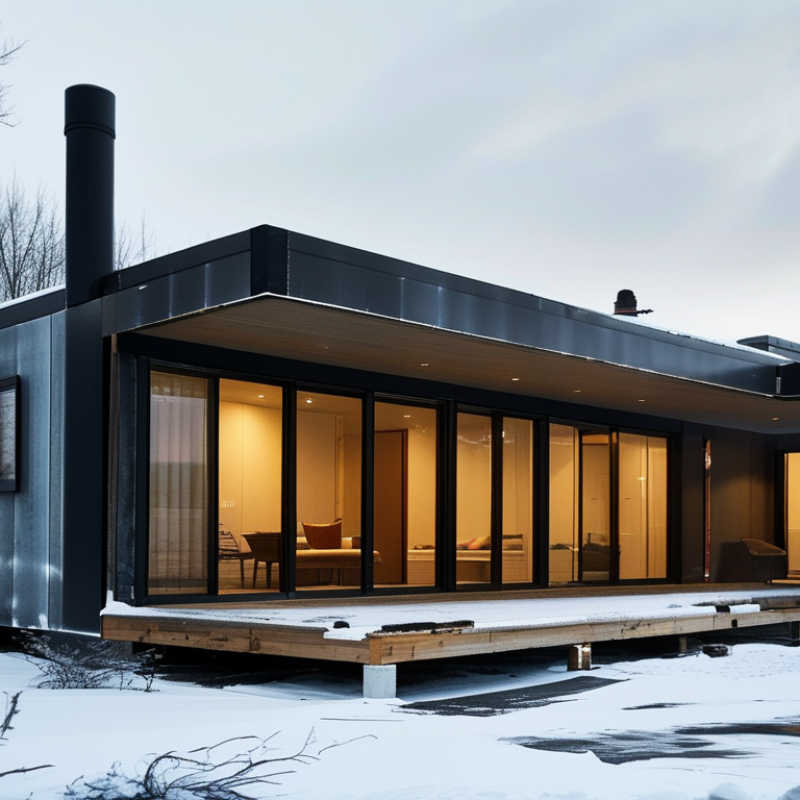
Can Modular Homes Survive Extreme Weather Conditions?

Overview of Modular Homes and Their Design Features

Modular homes are designed with specific features to enhance durability and resistance to extreme weather. Their construction often involves prefabricated sections that are built in controlled environments. This method ensures precise quality control and reduces the chance of construction defects. Additionally, modular homes can incorporate advanced materials and insulation to better withstand harsh conditions.

One important aspect is the structural integrity of modular homes. They often use reinforced walls and roofs to resist strong winds and heavy snow loads. Some designs include elevated foundations which help mitigate flood risks. It's essential to consider these features when selecting a modular home, as not all designs are equal in their weather resistance.

However, building codes and local regulations can vary significantly. Some modular homes may not meet the requirements for severe weather areas. It's crucial to research local building standards and seek expert advice. While modular homes hold great potential, potential buyers should examine each design critically. Researching local builders and their expertise can provide insights into the reliability of specific modular home models under extreme conditions. Balancing aesthetic choices with functionality in design is key to ensuring safety and durability.

Impact of Extreme Weather on Traditional Housing

Extreme weather has become a significant challenge for traditional housing. According to a report by the National Oceanic and Atmospheric Administration (NOAA), the number of natural disasters has doubled over the past 50 years. High temperatures, heavy rainfall, and severe storms greatly affect structural integrity. Homes in flood-prone areas often face costly damage, with the average repair bill reaching $30,000.

Traditional materials like wood are vulnerable to rot and mold. For instance, the Federal Emergency Management Agency (FEMA) reveals that wood-frame houses are less durable in hurricanes, leading to increased insurance claims. In contrast, houses built with concrete or steel withstand these forces better. Yet, the cost of such materials can be prohibitive, limiting their use in many regions.

Durability alone does not guarantee survival. Structures must also be designed thoughtfully. Many homeowners neglect proper drainage systems, which leads to flooding and erosion over time. The American Society of Civil Engineers stresses the need for better urban planning to deal with climate realities. Without proactive measures, even the most robust homes are at risk.

Resilience of Modular Homes to Extreme Weather Conditions

Modular homes are gaining attention for their resilience against extreme weather conditions. According to the National Institute of Building Sciences, modular homes can withstand wind speeds of up to 175 mph. This level of durability makes them suitable for hurricane-prone zones, where traditional construction methods often falter. The steel framing used in many modular designs is significantly stronger than wood framing. This strength is crucial for homes exposed to high winds and flooding.

Additionally, data from the Federal Emergency Management Agency highlights that modular homes generally have lower repair costs associated with storm damage. These homes are designed for efficient drainage and can sit elevated above flood zones. However, the performance of modular homes during extreme weather is not universally excellent. Quality still varies based on manufacturers.

Some modular homes lack adequate structural support for heavy snowloads. This poses a risk in regions with severe winters. Building codes differ across states, leading to discrepancies in construction standards. Even though modular homes have notable advantages, potential buyers should conduct thorough research. Understanding local building codes is vital for ensuring optimal performance in severe weather.

Can Modular Homes Survive Extreme Weather Conditions? - Resilience of Modular Homes to Extreme Weather Conditions

Weather Condition Modular Home Rating Key Features Resilience Score (1-10)
Hurricane High Reinforced structure, impact-resistant windows 9
Flood Moderate Elevated foundations, waterproof materials 7
Tornado High Aerodynamic design, anchoring systems 8
Earthquake High Flexible materials, seismic-resistant design 9
Extreme Heat Moderate Reflective roofing, insulation 6
Snow and Ice Moderate Sturdy roofing, heat retention systems 7

Case Studies: Modular Homes in Climate-Impacted Areas

Many modular homes are being built in climate-impacted areas. They are designed for flexibility and rapid construction. However, their ability to withstand extreme weather can vary.

One case study highlights a modular community in a hurricane-prone region. After a severe storm, some homes stood strong while others suffered damage. Residents noted that the materials used played a significant role. Homes with reinforced designs performed better. This demonstrated the need for careful planning in construction.

Another example is found in areas facing wildfires. Some modular homes used fire-resistant materials. These homes showed resilience during test fires, but not all survived. It raises questions about the balance between speed and safety in modular construction. Builders must consider the local environment and specific risks. Adapting to climate conditions is essential for the long-term viability of modular homes.

Future Innovations in Modular Home Construction for Extreme Weather Adaptation

Modular homes are gaining attention for their potential to withstand extreme weather. Innovation in materials and construction techniques can enhance their durability. One promising area is the use of advanced composites. These materials can resist wind, rain, and even floods better than traditional ones. Additionally, modular homes can be designed with raised foundations to combat flooding. It’s a practical response to climate change.

Another avenue for innovation is in energy efficiency. Homes equipped with smart technology can monitor environmental conditions. For example, they can adjust ventilation during a storm. These homes aim to adapt to severe weather patterns. However, the initial costs may deter some homeowners. The technology needs further testing under real-life conditions.

Community resilience is also crucial. Modular homes can be built in clusters to support each other during extreme events. They provide a sense of community and collective strength. Yet, flexibility in design remains a challenge. Overcoming these hurdles will require collaboration among architects, engineers, and homeowners. The goal is to achieve not only sustainability but also safety in the face of changing climates.

FAQS

: What are modular homes designed for?

: Modular homes are designed to enhance durability and resist extreme weather conditions.

How are modular homes constructed?

They are built from prefabricated sections in controlled environments, ensuring quality control.

Do modular homes stand up to extreme weather?

Yes, many can withstand winds up to 175 mph and are built to resist flooding.

What materials are commonly used in modular homes?

Many use reinforced walls, steel framing, and advanced insulation for better resistance.

Do all modular homes meet local building codes?

No, building codes vary significantly, and not all modular homes are compliant in severe weather areas.

What should potential buyers do before purchasing?

Research local building codes and examine each design's weather resistance critically.

How do repair costs for modular homes compare to traditional homes?

Modular homes generally have lower repair costs related to storm damage.

Why might some modular homes underperform in severe weather?

Variability in manufacturing quality can result in inadequate structural support for snowloads.

What is a common design feature of modular homes regarding flooding?

Many designs include elevated foundations to help mitigate flood risks.

Is the strength of modular homes consistent across all manufacturers?

No, there is significant variability in strength and durability depending on the manufacturer.

Conclusion

The article "Can Modular Homes Survive Extreme Weather Conditions?" explores the resilience of modular homes in the face of increasingly intense weather events. It begins with an overview of modular homes and their innovative design features that can contribute to their durability. The impact of extreme weather on traditional housing is examined, highlighting vulnerabilities that modular homes aim to address.

The resilience of modular homes to extreme weather conditions is a central theme, supported by case studies of such homes in climate-impacted areas. These examples illustrate how modular homes can withstand extreme weather through their adaptable designs and materials. The article concludes by discussing future innovations in modular home construction that will further enhance their ability to resist environmental challenges, firmly answering the question: can modular homes withstand extreme weather?

Charlotte

Charlotte

Charlotte is a seasoned marketing professional with a deep understanding of the company's portfolio and a passion for elevating its presence in the market. With a keen eye for detail and a commitment to excellence, she ensures that our professional blog is regularly updated with insightful articles......