Can Modular Homes Increase Property Value in Today's Market?

Time:2026-08-09 Author:Sienna
0%

The question of whether modular homes can increase property value is becoming increasingly relevant in today's real estate market. Dr. Emily Carter, a renowned expert in modular construction, asserts, "Modular homes can retain value and even appreciate when designed thoughtfully." This perspective highlights the potential shift in consumer perception towards these innovative housing solutions.

Modular homes often offer affordability and customization. Builders can create attractive designs that compete with traditional homes. However, the market still harbors skepticism about modular quality and durability. Homebuyers may hesitate, fearing less value in modular options. This hesitation can impact resale prices.

Yet, in regions experiencing housing shortages, modular options may thrive. Buyers appreciate quick construction coupled with modern amenities. As potential homeowners become more informed, the question still lingers: Can modular homes increase property value? The answer may depend on local markets and evolving design standards. Understanding these trends is crucial for both builders and buyers in navigating this dynamic landscape.
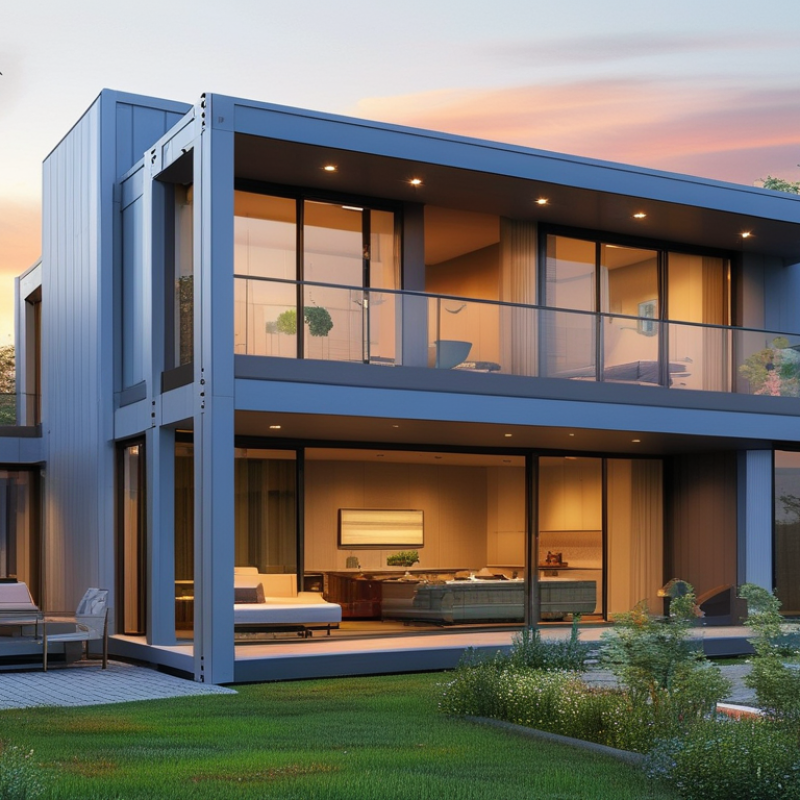
Can Modular Homes Increase Property Value in Today's Market?

Understanding Modular Homes and Their Characteristics

Modular homes have gained popularity in recent years, offering an innovative alternative to traditional housing. These homes are constructed in sections or modules, which are then transported and assembled on-site. This approach reduces build time significantly. According to a report by the National Association of Home Builders, modular homes can be built in about half the time of standard homes. This speed can be a considerable advantage in today’s fast-paced real estate market.

One of the notable characteristics of modular homes is their energy efficiency. Many modular designs incorporate sustainable materials and advanced insulation methods. A study from the Modular Building Institute indicates that these homes often result in lower energy bills—by up to 30%. They also frequently meet strict building codes and environmental standards, which is an asset for buyers focused on sustainability. However, despite these benefits, perceptions about modular homes can vary widely. Some buyers still associate them with inferior quality or temporary living, impacting resale value.

Financing options for modular homes can sometimes be complex. Not all lenders are familiar with their unique attributes. This limited understanding may lead to less favorable loan conditions for potential buyers. Research shows that while modular homes can increase efficiency and lower costs, they face challenges in acceptance. The market's perception remains a significant factor that homebuyers should carefully consider.

Current Trends in the Real Estate Market for Modular Homes

The modular home market has surged in recent years, reflecting a shift in consumer preferences. One significant trend is the increasing demand for sustainable building practices. Modular homes are often built with eco-friendly materials. These homes can appeal to environmentally-conscious buyers, which can enhance property values.

Additionally, modular homes frequently offer customization options. Buyers desire personalized spaces, and modular homes can cater to this need more efficiently than traditional homes. However, some potential buyers still perceive modular homes as less desirable. This perception can negatively impact property values in certain areas.

Another trend shaping the market is the rise of remote work. Many people prefer homes with dedicated office spaces. Modular homes can be designed for these specific needs. However, local zoning regulations can limit where these homes can be placed. This complexity might deter some potential homeowners, affecting overall market growth. Balancing these trends with buyer perceptions is essential for maximizing property value.

Factors Influencing Property Value of Modular Homes

Modular homes have gained attention in today's real estate market. Their potential to increase property value hinges on several key factors. First, location plays a pivotal role. A modular home in a sought-after neighborhood can appreciate significantly. Buyers often seek modern amenities and energy efficiency, which many modular homes deliver. This demand can drive up values, particularly when the homes are built with quality materials.

The construction speed is also crucial. Modular homes can be completed faster than traditional homes. This quick turnaround can attract buyers looking for immediate occupancy. However, some buyers still harbor misconceptions about modular homes. They may perceive them as inferior. This stigma can hinder property value in certain areas. Education about the advantages of modular homes is essential for overcoming such biases, thus positively influencing market perception.

The design and customization options available in modular homes can set them apart and enhance their appeal.

Comparative Analysis: Modular Homes vs. Traditional Homes

In today's real estate market, modular homes present a compelling alternative to traditional builds. According to a report by the Modular Building Institute, modular homes can be constructed up to 30% faster than conventional homes, reducing labor costs. This efficiency allows builders to pass some savings onto buyers, potentially increasing market appeal. However, some buyers still hesitate, often perceiving modular homes as less customizable than traditional options.

The National Association of Home Builders states that modular homes can appreciate in value similarly to site-built homes. In some areas, modular homes have appreciated by as much as 20% over five years. This contrasts with traditional homes, which depend heavily on local market conditions and can experience fluctuations. Yet, financing remains a challenge. Some lenders may offer less favorable terms for modular homes, raising questions about long-term investment viability.

Homebuyers also look for eco-friendliness. Modular homes often use sustainable materials and energy-efficient designs. A study by the U.S. Green Building Council shows that homes built with sustainable practices can have resale values up to 15% higher. However, the perception of modular homes as less permanent can hurt their allure in high-end markets. Balancing these perceptions with tangible benefits such as lower utility costs and quicker construction timelines remains essential for the industry's growth.

Future Outlook: Investment Potential of Modular Homes

Modular homes are gaining traction as a viable investment option in today’s real estate market. According to a recent study by the National Association of Home Builders (NAHB), modular construction can reduce costs by 10-20% compared to traditional building methods. This cost-effectiveness draws many investors, as modular homes offer faster construction times and lower labor expenses. The market demand for sustainable and affordable housing is on the rise, making modular homes a potential goldmine for future investment.

However, the value of modular homes can fluctuate based on local market conditions. A report from the Joint Center for Housing Studies highlights that while quality and design matter, location remains a critical factor. Areas with strong job growth and limited housing supply offer the best prospects for increased property values. Yet, some investors worry about the stigma surrounding modular homes. Overcoming misconceptions is essential for maximizing investment returns. As modular housing continues to evolve, reflecting trends in design and sustainability, it could reshape property investment landscapes.

Can Modular Homes Increase Property Value in Today's Market?

This chart illustrates the average resale value of modular homes from 2018 to 2023. As shown, there has been a steady increase in the value, suggesting a positive trend for modular homes in today’s market.

FAQS

: What is driving the rise in popularity of modular homes?

: Increasing demand for sustainability and eco-friendly materials is a main factor.

Are modular homes customizable?

Yes, they offer various customization options, catering to individual buyer preferences.

How does location affect modular home value?

A modular home in a desirable neighborhood can significantly appreciate in value.

Why do some buyers hesitate to purchase modular homes?

Some perceive them as inferior to traditional homes, which can affect property values.

Can modular homes be built faster than traditional homes?

Yes, they can be constructed up to 30% faster, shortening the time until occupancy.

Do modular homes appreciate in value like traditional homes?

Yes, they can appreciate similarly but are influenced by different market conditions.

What role do zoning regulations play in modular home placement?

Local zoning can limit where modular homes can be placed, affecting buyer interest.

Is financing more challenging for modular homes?

Yes, some lenders may provide less favorable terms compared to traditional homes.

How do eco-friendly features impact resale value?

Sustainable practices can lead to higher resale values, sometimes up to 15% more.

What misconceptions hinder the growth of the modular home market?

Perceptions of lower quality and permanence can negatively impact buyer interest.

Conclusion

The article "Can Modular Homes Increase Property Value in Today's Market?" explores the characteristics of modular homes and their place within the current real estate landscape. It highlights how these homes are increasingly being accepted as a viable housing option, particularly in light of current market trends that show a growing interest in sustainable and cost-effective living solutions.

Factors influencing the property value of modular homes, such as location, design quality, and market demand, are examined in detail. Additionally, a comparative analysis is provided, weighing the benefits and drawbacks of modular homes against traditional properties. The article concludes by discussing the future outlook and investment potential of modular homes, suggesting that, if positioned correctly in the market, modular homes can indeed increase property value, making them an attractive option for both buyers and investors.

Sienna

Sienna

Sienna is a skilled marketing professional with a deep expertise in our company’s core products and services. With a passion for innovation and detail, she plays a pivotal role in crafting insightful blog posts that not only highlight the unique features of our offerings but also provide valuable......