Top 10 Tips on How to Compare Modular Home Manufacturers

Time:2026-09-28 Author:Charlotte
0%

Choosing a modular home manufacturer is not just a price comparison. It is a decision about design, factory quality, delivery, and support after installation. McKinsey’s 2019 report, “Modular Construction: From Projects to Products,” estimated that modular construction could represent a $130 billion market across the United States and Europe, with potential annual savings of $22 billion. Those figures cover construction broadly, not individual homes. Still, they show why factory-built methods deserve careful attention—and why impressive industry projections cannot replace checking a builder’s actual record.

This guide explains how to compare modular home manufacturers using details you can verify. Look beyond the base price. Ask what the estimate includes, from foundation work and transport to utility connections and finishing. Compare factory inspection procedures, material specifications, customization limits, delivery schedules, and warranty terms. A model home can look flawless under bright showroom lights. The written contract and a completed home may tell a fuller story. Request references, then ask owners whether the final cost and move-in date matched expectations. Small gaps matter.

Not every manufacturer publishes comparable performance data. That makes direct questions essential. A polished brochure is not proof. Use the tips ahead to weigh evidence, spot unclear promises, and find a manufacturer whose process fits your budget and plans. Expect trade-offs; even a thorough comparison will leave a few unanswered questions.
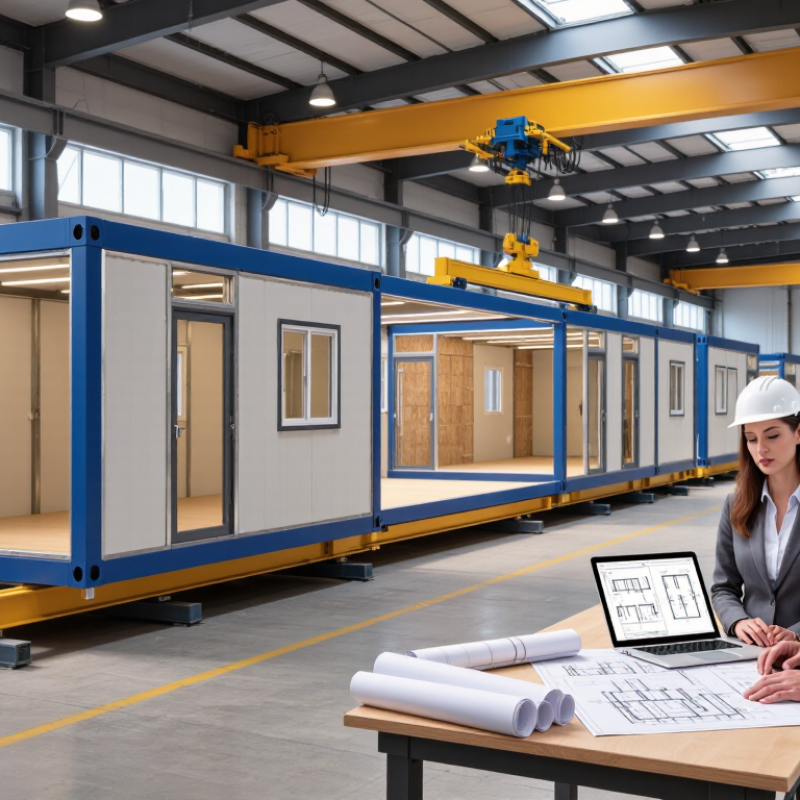
Top 10 Tips on How to Compare Modular Home Manufacturers

Establish Your Needs and Define Comparison Criteria

Before comparing modular home manufacturers, write down how you plan to live in the home. Note the number of bedrooms, storage needs, accessibility features, and whether you need space for remote work. Be specific. Measure the building site and record access limits, slope, utility locations, and likely delivery routes. A narrow driveway can affect transport plans and costs.

Set a budget that separates the home price from site work, foundation, delivery, utility connections, and interior finishes. Then request quotes using the same floor plan and specifications. Check what each quote includes, such as insulation levels, windows, appliances, and installation. That matters. Compare estimated production and delivery schedules, warranty coverage, change-order fees, and how construction questions are handled. Ask whether you can review material specifications or visit a completed project. I once treated a low starting price as a fair comparison; it was not, because several essential items were excluded. I would now keep a simple comparison sheet and mark unknowns rather than assume they are included. Also consider which criteria matter most to you, since a faster schedule may not outweigh better energy performance or clearer service terms.

Verify Manufacturer Credentials, Experience, and Building Standards

Before comparing modular home manufacturers, verify who actually builds the modules and who oversees installation. Ask for current state or local licenses, factory quality-control procedures, third-party inspection records, and recent projects you can visit. Request a sample inspection report, not just a glossy project photo. Check that the proposed home meets the building code adopted by your project’s jurisdiction; modular homes are generally reviewed under local or state codes, which differ from the federal standards used for manufactured housing. The ICC/MBI 1200 and 1205 standards cover off-site construction processes and inspection. Ask whether the manufacturer follows them, and who documents compliance.

Experience matters in practical ways. How many homes has the team completed in your climate? Can it show how modules were protected during transport, joined on site, and checked for water intrusion? McKinsey’s 2019 report, “Modular Construction: From Projects to Products,” estimates modular methods can reduce construction time by 20–50% and costs by up to 20%. Those are potential gains, not guarantees. Compare the manufacturer’s schedule assumptions with its completed-project records, including delays and change orders. I would also ask for warranty claim examples; a polished answer is useful, but written procedures are better. Still, no checklist replaces an independent review of your plans and contract.

Compare Home Designs, Customization Options, and Included Features

When comparing modular home manufacturers, look beyond the number of floor plans. Study how each design uses everyday space. Can a grocery bag move easily from the entry to the kitchen? Is there room to open bedroom doors without blocking a hallway? Compare window placement, storage, ceiling heights, and furniture layouts on the same scale. Small details matter.

Customization can change both comfort and cost. Ask whether you can move a wall, add a covered porch, or choose different cabinets and flooring. Find out which changes affect engineering, delivery, or installation schedules. Get the limits in writing. A design tool may show many options, but not every option is available for every plan. That distinction is easy to miss.

Compare included features line by line. One quote may include insulation, kitchen appliances, stairs, and basic lighting; another may leave them out. Check window specifications, heating equipment, cabinetry, and finish allowances. Ask for a written list, not just a brochure. Then price any missing items with realistic estimates. A low starting price can look appealing. It may not reflect the finished home. Be candid about your own priorities, too: I might favor a larger kitchen, then realize the extra space leaves less room for storage. Revisit the plans with your daily routines in mind.

Top 10 Tips on How to Compare Modular Home Manufacturers - Compare Home Designs, Customization Options, and Included Features

# Comparison Area What to Compare Questions to Ask How to Verify
1 Home designs and floor plans Available layouts, living area, bedroom and bathroom counts, room dimensions, ceiling heights, and options for reversing or combining plans. Can I review dimensioned floor plans and make changes to room layouts or window locations? Compare current plan drawings and specifications, not just photographs or illustrations.
2 Customization options Choices for cabinetry, countertops, flooring, fixtures, exterior finishes, room configurations, and structural changes. Which changes are standard options, which require approval, and which are not available? Request a written options list showing selections, upgrade prices, and any design or engineering fees.
3 Base price and quote scope Items included in the quoted price, allowances, taxes, delivery, installation, and costs that depend on the site or location. Is the quote for the home modules only, or does it include delivery, assembly, and site work? Compare itemized quotes using the same plan, specification level, location, and project scope.
4 Included features and finishes Appliances, lighting, plumbing fixtures, flooring, cabinets, paint, trim, and the specific product or finish grade included. Are appliances and finishes included, and what product specifications or allowances apply? Check the written specification sheet and confirm whether pictured items are included or optional.
5 Building-code and permit requirements Applicable state and local codes, plan review, engineering documents, energy requirements, and responsibilities for permits and inspections. Who prepares the documents needed for local approval, and who submits or coordinates them? Confirm requirements with the local building department and request the manufacturer’s documentation for your project location.
6 Energy performance and insulation Insulation specifications, window performance, air-sealing details, heating and cooling equipment, and applicable energy-code compliance. What insulation and window specifications are provided, and are they suitable for my climate and local code? Review product specifications and code documentation; requirements and suitable performance levels vary by location.
7 Transportation and site access Delivery distance, route restrictions, permits, unloading, crane or other lifting needs, and access for trucks and equipment. Who checks the delivery route and site access, and which transport or lifting costs are excluded? Request a site-access review and a written delivery and installation scope before signing.
8 Foundation, utilities, and site work Foundation responsibility, grading, drainage, utility connections, septic or sewer arrangements, and preparation of the building site. Which site improvements are included, and which must be arranged with separate contractors? Compare scope lists and obtain local site-work estimates; costs depend on land conditions and available services.
9 Schedule and project milestones Design approval, permitting, production, delivery, set or assembly, and completion milestones, including dependencies and possible delays. What events determine the schedule, and how are changes or delays communicated? Ask for a project timeline with stated assumptions; permitting, weather, site readiness, and transport can affect timing.
10 Warranty, inspections, and service Warranty coverage, exclusions, claim process, inspection points, correction of defects, and responsibility after installation. What is covered, for how long, and who handles service requests after the home is set? Read the complete written warranty and contract, including deadlines for reporting issues and applicable exclusions.

Evaluate Pricing, Financing, Warranties, and Contract Terms

A low factory price can hide expensive site work. Tip: Ask each manufacturer for the same itemized scope: transport, crane, foundation, utility connections, permits, finishes, and change-order rates. NAHB’s 2024 Cost of Construction Survey reported an average construction cost of $428,215 for a typical single-family home. That is a useful benchmark, not a modular-home quote; local labor, land conditions, and included work can shift the final number. Check the assumptions line by line. Small gaps add up.

Tip: Compare financing by total cost, not just the advertised rate. Ask when deposits are due, whether payments are tied to factory milestones, and how delays affect interest or loan extensions. Confirm that the lender accepts the manufacturer’s payment schedule and the home’s construction method. A friendly estimate is not a financing commitment. Get the terms in writing.

Tip: Read warranty and contract language beside the price sheet. Check who handles factory defects, delivery damage, installation issues, and response times; ask when coverage begins and what exclusions apply. A contract should state the model, specifications, completion dates, change-order process, cancellation terms, and remedies for delays. I would also ask for a sample schedule before signing. It may feel overly cautious, but missing details are hard to fix after production starts.

Assess Delivery, Installation, Communication, and After-Sales Support

Top 10 Tips on How to Compare Modular Home Manufacturers

Assess Delivery and Installation

Tip 1: Ask for a written delivery plan. It should explain transport routes, site access, crane needs, and who handles permits or utility connections. A narrow driveway or soft ground can change the schedule, so request a site review before signing. Tip 2: Compare installation details, not just estimated build times. Ask how crews protect materials from rain and what happens if the foundation is not ready. Get milestones in writing. Weather still happens.

Communication Before and During the Build

Tip 3: Find out who your main contact will be and how often they provide updates. A weekly schedule, even when there is no major news, can help you plan inspections and prepare the site. Tip 4: Ask how changes are recorded. Confirm that revised plans, costs, and dates arrive in writing. One missed email can cause confusion. Notice how quickly the team answers practical questions before you commit; that response pattern may not predict everything, but it is useful evidence.

After-Sales Support

Tip 5: Request clear warranty terms and a process for reporting defects after handover. Ask who arranges repairs, what photos or documents are needed, and how quickly urgent issues are acknowledged. Tip 6: Check whether the final walkthrough includes doors, windows, plumbing, and visible finishes. Keep a dated list of unfinished items. Small gaps matter. I would not assume every promise will be remembered later; keep copies of messages, schedules, and signed changes together.

Top 10 Tips for Comparing Modular Home Manufacturers

Compare delivery, installation, communication, and after-sales support alongside the overall scope of work.

How to use this chart: These suggested weights are a practical planning framework, not results from a manufacturer survey. Score each manufacturer against the same criteria, verify details in writing, and adjust the weights to fit your project.

FAQS

How can I check a modular home manufacturer’s credentials?

Ask for current local or state licenses, inspection records, and factory quality-control procedures. Request a sample report, not only project photos. Details matter.

Which building standards and codes should I ask about?

Confirm the home meets the code adopted by your project’s jurisdiction. Ask who documents compliance with applicable off-site construction standards. Codes can differ by location.

How can I assess a manufacturer’s experience?

Ask for completed projects in a climate like yours. Request examples showing how modules were transported, joined, and checked for water intrusion. Visit a home if possible.

What should a modular home price estimate include?

Compare itemized estimates covering transport, crane use, foundation, utilities, permits, and finishes. Ask about change-order rates. Small gaps add up.

How should I compare financing offers?

Compare total costs, deposit dates, and payments tied to factory milestones. Confirm the lender accepts the construction method and payment schedule. Get terms in writing.

What should I look for in warranties and contracts?

Check coverage for factory defects, delivery damage, and installation issues. Confirm response times, exclusions, completion dates, cancellation terms, and delay remedies. Keep signed changes.

What belongs in a written delivery and installation plan?

It should cover transport routes, site access, crane needs, permits, and utility connections. Request a site review, especially if the driveway is narrow or the ground is soft. Weather still happens.

How can I check communication and after-sales support?

Ask who your main contact will be and how often updates arrive. Confirm how changes are recorded and how defects are reported. Save messages and schedules; I may be overchecking, but memories can be unreliable.

What should the final walkthrough include?

Test doors, windows, and plumbing, then inspect visible finishes. Keep a dated list of unfinished items and ask who will arrange repairs. Take photos.

Conclusion

Learning how to compare modular home manufacturers begins with clearly defining your needs, such as the home’s size, layout, budget, location, and expected timeline. Use these priorities to create consistent comparison criteria, then check each manufacturer’s credentials, relevant experience, construction methods, and adherence to applicable building standards. Compare available designs, customization choices, materials, and the features included in the quoted price so you can understand what each proposal actually offers.

Look beyond the initial price when assessing financing options, warranties, payment schedules, and contract terms. Ask how delivery and installation are coordinated, who manages communication throughout the project, and what support is available after the home is completed. Reviewing these details side by side can help you identify differences, clarify potential costs or responsibilities, and choose a manufacturer whose process and offering suit your plans. A careful comparison makes it easier to make an informed decision with realistic expectations.

Charlotte

Charlotte

Charlotte is a seasoned marketing professional with a deep understanding of the company's portfolio and a passion for elevating its presence in the market. With a keen eye for detail and a commitment to excellence, she ensures that our professional blog is regularly updated with insightful articles......