10 Tips to Ensure Luxury Modular Homes Are Energy Efficient?

Time:2026-08-04 Author:Isabella
0%

In recent years, many people have questioned, "are luxury modular homes energy efficient?" This question is crucial as we face increasing energy costs and environmental concerns. Luxury modular homes offer comfort and elegance, but do they truly deliver on sustainability?

Energy efficiency depends on various factors, including design, materials, and technology. It's important to note that not all luxury modular homes prioritize energy savings. Some designs may focus more on aesthetics than functionality. Homeowners must evaluate the features and systems installed in these homes.

Incorporating energy-efficient appliances and advanced insulation can greatly enhance efficiency. However, choosing the right builder or manufacturer is equally significant. Professional expertise plays a vital role in ensuring homes meet energy standards. Overall, the journey to energy efficiency in luxury modular homes requires careful consideration, planning, and a willingness to learn from both successes and challenges.
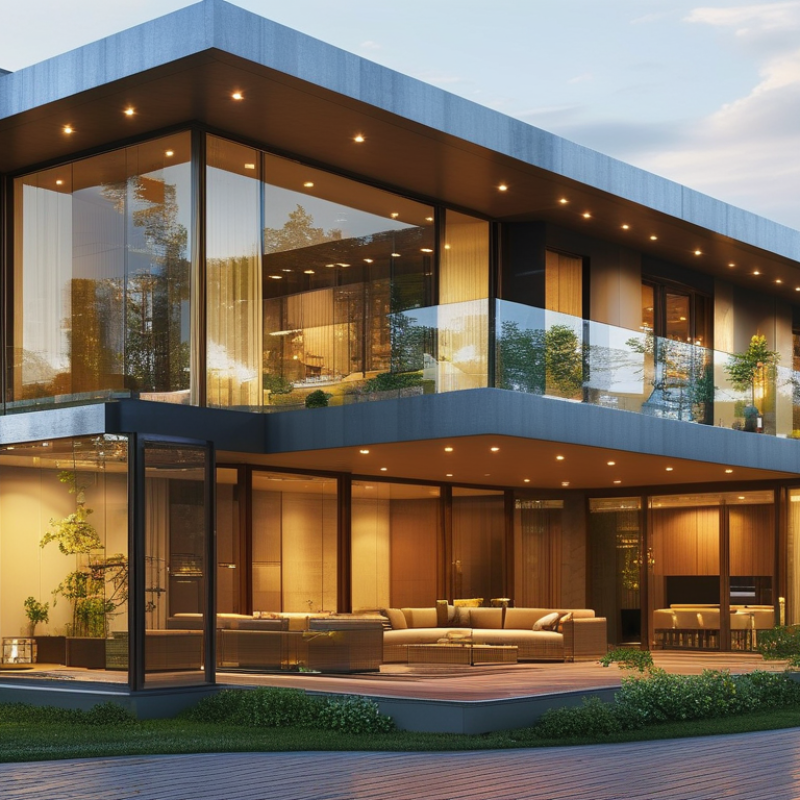
10 Tips to Ensure Luxury Modular Homes Are Energy Efficient?

Understanding Energy Efficiency in Luxury Modular Homes

Understanding energy efficiency in luxury modular homes is crucial for maximizing comfort and reducing environmental impact. The U.S. Department of Energy suggests that energy-efficient homes can save up to 30% on energy bills. Incorporating high-quality insulation helps stabilize indoor temperatures, reducing heating and cooling demands.

One tip is to choose ENERGY STAR® certified appliances. These appliances use significantly less energy without sacrificing performance. Additionally, consider advanced window technology, such as low-emissivity (Low-E) glass. This helps to reflect heat in summer while retaining warmth in winter.

It's important to reflect on the design of luxury modular homes. While aesthetics are vital, structural efficiency should not be overlooked. Engaging with a certified energy auditor can illuminate areas for improvement. They can evaluate insulation and air leakage, guiding you to make informed upgrades. Energy-efficient design offers immediate comfort and long-term savings. Investing in these aspects fosters sustainability and elevates living standards.

Choosing Sustainable Materials for Energy Conservation

Choosing sustainable materials is crucial for energy conservation in luxury modular homes. One effective option is reclaimed wood. It not only reduces waste but also brings a unique character to each home. Using sustainable materials like bamboo is another smart choice. Bamboo grows quickly and emits less carbon dioxide during production.

Incorporating high-performance insulation can significantly enhance energy efficiency. Materials like cellulose or sheep’s wool are eco-friendly options. They improve temperature regulation and reduce heating and cooling costs. However, sourcing these materials can be challenging. Not all suppliers maintain sustainable practices.

Consideration of energy-efficient windows is essential as well. Triple-glazed windows offer superior insulation but can be costly upfront. The investment pays off in the long run through energy savings. Reflect on the balance between initial expenses and long-term benefits. Each choice influences the overall sustainability of the home.

Incorporating Advanced Insulation Techniques for Efficiency

Creating energy-efficient luxury modular homes starts with advanced insulation techniques. Proper insulation is essential for maintaining a comfortable temperature. It reduces heating and cooling costs significantly.

One effective strategy is using spray foam insulation. It expands to fill gaps, offering a tight seal. This prevents air leakage, leading to enhanced energy performance. Additionally, consider incorporating rigid foam board in areas prone to thermal bridging. This adds another layer of protection against energy loss.

Another critical tip is to choose the right thermal mass materials. These materials can absorb heat during the day and release it at night. They help stabilize indoor temperatures without excessive energy consumption. Reflective insulation is also worth exploring. It reflects radiant heat away in summer and retains it during winter. By carefully selecting insulation types, owners can create an energy-efficient luxury modular home that is both stylish and sustainable.

Energy Efficiency in Luxury Modular Homes

Utilizing Renewable Energy Sources in Modular Design

When designing luxury modular homes, integrating renewable energy sources plays a vital role in enhancing energy efficiency. Consider solar panels as a primary energy source. These panels can significantly reduce electricity bills and minimize the carbon footprint. Additionally, solar energy is sustainable and plentiful.

Incorporating wind turbines is another effective solution. Small-scale turbines can generate electricity, especially in open areas with consistent winds. Wind energy can complement solar power, creating a more reliable energy system. Rainwater harvesting systems can also benefit energy management by reducing the demand for municipal water supply.

Energy-efficient appliances are essential. Select devices with high Energy Star ratings to consume less power. Insulation and window selection also matter. High-quality insulation minimizes heat loss, while energy-efficient windows reduce heating and cooling needs. Choose natural ventilation methods to enhance airflow and comfort. Each detail impacts overall energy efficiency in modular homes. Distilling complex systems down to simple choices can lead to meaningful improvements. Reflect on your choices and their long-term benefits for sustainability.

Implementing Smart Home Technology for Enhanced Energy Management

Smart home technology can significantly enhance energy management in luxury modular homes. By integrating smart devices, homeowners can monitor energy usage in real-time. Smart thermostats, for example, learn your schedule and adjust temperatures accordingly. This not only comforts residents but also saves energy.

Lighting systems, equipped with sensors, automatically turn off when no one is present. This small change reduces energy waste. Additionally, smart appliances can be programmed to operate during off-peak hours. It’s a simple way to save on energy costs while supporting grid efficiency.

However, implementing this technology isn't without challenges. Compatibility issues can arise between devices and platforms. Not all homeowners feel confident navigating these systems. There’s a learning curve involved. Adopting advanced energy management technology requires careful planning. Balancing modern comforts with functional efficiency is key to creating a sustainable luxury living space.

FAQS

: What are some key benefits of energy-efficient luxury modular homes?

: Energy-efficient homes can save up to 30% on energy bills. They maximize comfort and lower environmental impact as well.

How can insulation impact energy efficiency?

Proper insulation stabilizes indoor temperatures. This significantly reduces heating and cooling costs throughout the year.

What types of insulation are recommended?

Spray foam insulation is effective. It fills gaps and prevents air leakage. Rigid foam board can also reduce energy loss.

Why is it important to choose ENERGY STAR® appliances?

These appliances consume less energy without sacrificing performance. They contribute to lower energy bills and a smaller carbon footprint.

How can renewable energy be integrated into modular homes?

Solar panels and small wind turbines can provide sustainable energy. They reduce electricity bills and enhance overall energy efficiency.

What role does window technology play in energy efficiency?

Advanced windows, like low-emissivity glass, reflect heat in summer and retain warmth in winter. They improve overall energy performance.

How can an energy auditor help homeowners?

A certified energy auditor evaluates insulation and air leakage. Their insights guide homeowners on improving energy efficiency in their homes.

What is thermal mass, and why is it important?

Thermal mass materials absorb heat during the day and release it at night. They help maintain comfortable indoor temperatures effectively.

How can natural ventilation enhance comfort?

Utilizing natural ventilation methods improves airflow. This can lead to a more pleasant living environment and reduce reliance on heating or cooling systems.

What should homeowners reflect on when making energy-efficient choices?

Consider the long-term benefits of each decision. Assess how choices impact sustainability and overall living standards for the future.

Conclusion

When considering whether are luxury modular homes energy efficient, it is crucial to understand the various factors that contribute to their energy conservation capabilities. By selecting sustainable materials, homeowners can significantly reduce energy consumption and minimize environmental impact. Advanced insulation techniques also play a vital role in ensuring that these homes maintain optimal temperatures, further enhancing their efficiency.

Incorporating renewable energy sources such as solar panels into the modular design not only reduces dependence on traditional energy grids but also promotes sustainability. Additionally, implementing smart home technology allows for enhanced energy management, enabling residents to monitor and control their energy usage effectively. Together, these strategies create a framework that supports the energy efficiency of luxury modular homes, blending comfort, style, and environmental responsibility seamlessly.

Isabella

Isabella

Isabella is a dedicated marketing professional with a sharp focus on driving brand growth and engagement through strategic content creation. With an extensive background in digital marketing, she combines her passion for storytelling with her keen understanding of industry trends to deliver......