Why are luxury modular homes becoming more popular in 2026? The answer begins with changing expectations. Buyers want distinctive architecture, lower construction waste, and more predictable project timelines. They also want comfort without accepting years of disruption.
Amy Marks, a recognized modular construction strategist and former CEO of XSite Modular, has said, “Modular is not a product. Modular is a process.” Her point explains the market’s direction. Luxury modular housing now combines factory precision with custom design. A finished home may include oak cabinetry, stone bathroom surfaces, triple-glazed windows, and smart climate controls. These details are installed within a controlled production environment, rather than exposed to repeated weather delays.
Industry experience also reveals important limits. Modular does not automatically mean affordable, sustainable, or flawless. Transport restrictions can affect room sizes. Site preparation can increase costs. Local planning rules still matter. Some buyers may dislike standardized structural dimensions, even when interiors feel highly personalized.
Still, demand is growing. Factory-built components can reduce material waste and improve quality checks. Digital design tools also allow clients to review layouts before fabrication begins. That creates a clearer buying experience. It may reduce expensive changes later.
The strongest appeal is balance. Buyers receive faster delivery, refined finishes, and architectural character. Yet careful research remains essential. A reputable builder should explain insulation standards, transport plans, warranties, and completed projects. The luxury modular market looks promising, but its success depends on honest specifications, skilled installation, and realistic expectations.
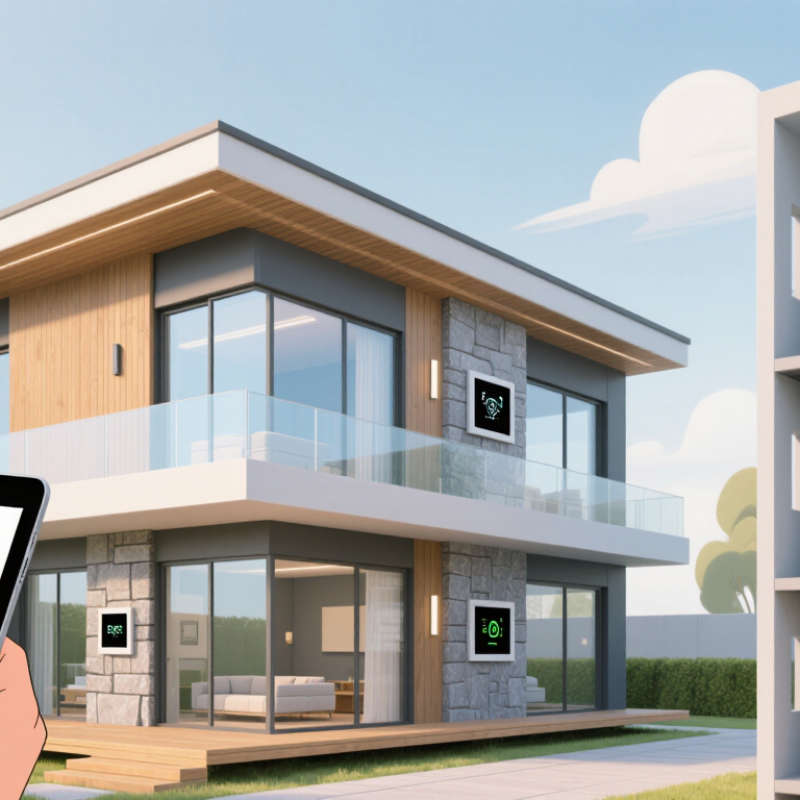
Why Are Luxury Modular Homes Becoming More Popular in 2026?
Defining Luxury Modular Homes: Precision-Built Design Meets Custom Architecture
Luxury modular homes combine factory precision with architect-led individuality. Their sections are built indoors, where measurements, moisture levels, and material storage receive tighter control. Yet luxury does not mean identical. A high-end home may include a tailored staircase, stone surfaces, concealed lighting, and wide glass walls facing a specific landscape.
McKinsey & Company’s 2019 report estimated that modular construction could create up to $130 billion in annual real-estate value across the United States and Europe. The report also identified potential annual savings of about $22 billion. These figures explain the growing interest, but they do not guarantee lower prices for every project. Complex transport, foundation work, and custom finishes can increase costs. That part is often underestimated. Precision-built does not always mean flawless. Design revisions, supplier delays, and imperfect site conditions still matter.
Tips: Ask for factory quality records, moisture-control procedures, and independent inspections. Confirm which elements are genuinely customizable. Check the transport route before approving oversized rooms. Request a detailed cost schedule covering foundations, utilities, permits, delivery, and interior installation. The best projects connect digital modeling with hands-on site experience. A beautiful render is not enough. Teams should explain tolerances, maintenance access, and future repair needs in clear language.
Luxury modular homes are gaining attention because they combine refined design with faster construction. McKinsey research finds that modular construction can reduce project timelines by 20–50% under suitable conditions. Factory production allows teams to build interior sections while foundations are prepared on site. This parallel workflow can reduce weather delays, material waste, and scheduling conflicts. The result may be a carefully finished home with floor-to-ceiling glass, custom cabinetry, stone surfaces, and advanced insulation.
However, speed is not automatic. Local approvals, transport routes, utility connections, and site preparation still affect the schedule. A complex hillside property may require more planning than a simple urban plot. Quality depends on factory inspections, moisture control, and accurate installation. I would not treat every timeline estimate as guaranteed. Real projects often change, sometimes for reasons that appear minor.
Tips: Ask for a detailed production schedule, including permits and delivery dates. Confirm who manages foundation work and final connections. Review material samples before manufacturing begins. Leave room for design changes, but avoid late revisions. A reliable project team should explain risks clearly, share inspection records, and identify any assumptions behind the 20–50% estimate. Small gaps in communication can become expensive.
Luxury modular homes are gaining attention in 2026, partly because construction waste is no longer an invisible cost. The U.S. Environmental Protection Agency estimated about 600 million tons of construction and demolition debris in the United States. That figure includes concrete, wood, drywall, asphalt, and other materials. It is a serious signal, not a simple marketing statistic. In a factory, measured cuts and repeatable processes can reduce offcuts. Indoor production can also protect materials from rain damage. Small gains matter.
Luxury designs add pressure, however. Large windows, stone surfaces, complex lighting, and custom interiors can create more packaging and discarded pieces. Modular construction does not automatically eliminate waste. A poor design, rushed delivery, or careless site work can move the problem elsewhere. Experienced project teams should request material estimates, waste-diversion records, and clear recycling plans. They should also check durability, repair access, and transport distances. I may be too optimistic about factory efficiency. Local conditions still decide much.
Tips: Choose designs using standard dimensions where possible. Ask how damaged materials are handled. Confirm whether leftover wood, metal, and drywall are reused or separated. Select durable finishes instead of short-lived trends. Review the site plan before delivery. Fewer cutting changes can mean fewer bins. Keep receipts, waste reports, and product specifications. These records support honest environmental claims and better decisions.
Luxury modular homes are gaining attention in 2026 because buyers want comfort without years of construction uncertainty. Factory-built sections can be completed while site work continues. In well-managed projects, this overlap may shorten delivery by several months. Weather also causes fewer indoor interruptions. The benefit is practical. A predictable handover helps families plan financing, moving, and temporary housing.
Energy efficiency is another strong demand driver. Precision cutting reduces gaps around walls, windows, and service penetrations. Better sealing can support lower heating and cooling loads. High-performance insulation, heat pumps, and rooftop solar can work together when designed early. However, efficient equipment alone does not guarantee low bills. Local climate, shading, ventilation, and occupant habits still matter. Small details matter.
Personalization makes modular living feel less standardized. Buyers can adjust room sizes, storage walls, lighting scenes, and finishes before production begins. Digital models can reveal awkward door swings or limited daylight. That review stage is valuable, but it can expose a weakness: too many choices may delay decisions. A disciplined specification process protects the schedule. Yet not every factory handles late changes equally well. Contracts should clarify tolerances, inspection points, transport risks, and warranty responsibilities. Independent inspections remain wise, especially at foundations and structural connections. Luxury should mean measured performance, not only expensive surfaces.
Evidence-based indicators showing why high-end buyers are increasingly evaluating modular construction as an alternative to conventional on-site building.
| Demand Driver | Relevant Metric | Reported Benchmark or Fact | Why It Matters for Luxury Modular Homes | Public Reference |
|---|---|---|---|---|
| Faster delivery | Potential schedule reduction | Modular and other industrialized construction methods can reduce project schedules by approximately 20% to 50% compared with conventional construction in suitable projects. | Shorter construction periods can reduce exposure to weather delays, improve cost visibility, and allow owners to occupy or operate the property sooner. | McKinsey & Company, “Reinventing Construction: A Route to Higher Productivity,” 2017. |
| Factory-controlled quality | Production environment | Building modules indoors provides greater control over moisture, material storage, dimensional consistency, and inspection procedures than fully exposed site construction. | Consistent factory processes are especially valuable for luxury projects that require detailed finishes, precise tolerances, and repeatable quality checks. | U.S. Department of Energy, Building Technologies Office; Modular Building Institute, industry guidance on off-site construction. |
| Energy efficiency | High-performance building standards | DOE Zero Energy Ready Home requirements are designed to deliver approximately 40% to 50% greater energy efficiency than a typical new home built to minimum code, depending on the baseline and home design. | Energy-efficient envelopes, high-performance windows, heat pumps, efficient ventilation, and smart controls can lower operating costs and improve year-round comfort. | U.S. Department of Energy, Zero Energy Ready Home National Program Requirements. |
| Lower construction waste | Material-efficiency opportunity | Off-site construction can reduce material waste through standardized cutting, repeatable production, bulk purchasing, and improved inventory control. The actual reduction varies by design and factory process. | Reduced waste supports sustainability goals and can help luxury buyers meet environmental requirements without sacrificing architectural quality. | U.S. Environmental Protection Agency, Sustainable Management of Construction and Demolition Materials; McKinsey & Company construction productivity research. |
| Personalization | Design flexibility | Modular homes can be configured with different floor plans, façade materials, room sizes, ceiling heights, glazing packages, interior finishes, and technology systems, subject to structural and transport limits. | Customization allows buyers to pursue one-off residences, multi-generational layouts, wellness spaces, home offices, entertainment areas, and site-specific designs. | International Code Council, Off-Site and Modular Construction provisions; Modular Building Institute technical resources. |
| Improved cost predictability | Earlier design coordination | Factory production encourages earlier coordination of structure, mechanical systems, electrical services, finishes, and procurement. This can reduce change-order risk, although transportation, foundations, and site work remain project-specific. | Luxury buyers can make major design decisions earlier and receive a clearer view of the total project budget before modules arrive on site. | National Institute of Building Sciences, Whole Building Design Guide; International Code Council off-site construction guidance. |
| Labor resilience | Reduced site dependency | Completing more work in a factory can reduce the amount of skilled labor required at the building site, while allowing specialized teams to repeat standardized tasks in a controlled environment. | This is increasingly relevant where local construction labor is limited or where a remote site makes long-duration on-site work expensive and difficult to manage. | U.S. Bureau of Labor Statistics, construction employment outlook; McKinsey & Company, “Reinventing Construction.” |
| Resilience and comfort | Envelope and systems integration | High-performance modular designs can integrate continuous insulation, air-sealing, efficient HVAC equipment, backup power, water-management systems, and durable exterior assemblies. | Integrated systems can improve indoor comfort, reduce drafts and moisture risks, and support stronger performance during extreme weather events when correctly designed and installed. | U.S. Department of Energy Building America Solution Center; Federal Emergency Management Agency building-science guidance. |
| Sustainability expectations | Operational and embodied impacts | Building energy use and construction materials are both important contributors to a home’s environmental footprint; efficient operation and material planning address different parts of that impact. | Affluent buyers increasingly evaluate energy performance, durability, responsible material selection, and long-term operating costs alongside appearance and size. | U.S. Environmental Protection Agency, ENERGY STAR Residential New Construction; U.S. Department of Energy, Building Technologies Office. |
| 2026 market relevance | Buyer priorities | Demand is supported by the combination of housing delivery pressure, interest in energy-efficient homes, demand for individualized designs, and the need for more predictable construction schedules. | Luxury modular housing is increasingly positioned not as a compromise product, but as a design-led construction option that combines premium finishes with industrialized delivery. | U.S. Census Bureau housing data; U.S. Department of Energy residential efficiency programs; McKinsey & Company construction productivity research. |
Luxury modular homes are attracting investors in 2026 because they can reduce several costly construction uncertainties. Factory production offers controlled conditions, repeatable inspections, and less weather-related disruption. Materials arrive in planned sequences, while installation may take weeks rather than many months. That shorter schedule can reduce financing costs and limit exposure to sudden labor or material price increases.
The risk is lower, not absent. Site access, ground conditions, utility connections, and planning approvals still require careful checking. A fixed construction estimate may exclude foundations, landscaping, transport, or specialist interior finishes. Independent quantity surveyors and experienced local professionals can test these assumptions before contracts are signed. Luxury buyers also expect large glazing, stone surfaces, custom lighting, and quiet mechanical systems. Poor detailing can weaken resale appeal quickly. This is where modular design can help, but only when craftsmanship matches the specification.
Tips: Request a complete cost schedule. Visit a finished property. Check insulation, waterproofing, and acoustic performance. Compare local luxury sales, not ordinary housing data. Keep a contingency fund. Even strong projections can miss one expensive problem. A beautiful home may still be a weak investment if its location limits future demand.
Buyers want refined spaces without years of construction uncertainty. Factory work can continue while foundations are prepared on site. That overlap may shorten delivery by several months. Speed helps families plan financing, moving, and temporary housing. Still, faster is not guaranteed.
Under suitable conditions, modular construction may reduce project timelines by 20–50%. Interior sections can be built indoors while site work continues. Weather causes fewer interruptions inside the factory. Local approvals, transport, and utility connections still affect delivery. Estimates are not promises.
Buyers may choose floor-to-ceiling glass, stone surfaces, and custom cabinetry. Room sizes, storage walls, lighting scenes, and finishes can also be adjusted. Digital models help reveal awkward door swings or poor daylight. Expensive materials alone do not create luxury.
Precision cutting can reduce gaps around walls, windows, and service openings. Strong insulation, heat pumps, and rooftop solar may work together. Better sealing can reduce heating and cooling demand. However, energy equipment alone does not guarantee low bills. Climate and household habits matter.
Planning approvals, difficult site access, foundations, and utility connections can extend the schedule. A steep hillside may require more preparation than a flat urban plot. Late design changes can disrupt factory production. Small communication gaps become expensive.
Request a complete cost schedule before signing. Check whether it includes foundations, transport, landscaping, and specialist finishes. Ask who manages final connections. Keep a contingency fund. One hidden site problem can change the budget quickly.
Review factory inspection records and moisture-control procedures. Inspect materials before manufacturing begins. Independent inspections are wise at foundations and structural connections. Check insulation, waterproofing, and acoustic performance. Visit a completed property if possible.
It may reduce financing costs through a shorter construction period. Controlled factory work can also limit weather disruption and material waste. Resale value still depends heavily on location, craftsmanship, and local demand. A beautiful home can remain a weak investment. That is worth remembering.
Why are luxury modular homes becoming more popular in 2026? These precision-built residences combine the efficiency of factory production with the creativity of custom architecture. Controlled construction environments can improve quality, reduce weather-related delays, and shorten project timelines by an estimated 20–50%. At the same time, modular building methods can help reduce material waste, an important advantage as the construction industry faces hundreds of millions of tons of waste each year.
Demand is also growing because buyers want faster delivery, improved energy efficiency, and greater personalization without sacrificing luxury or design freedom. Advanced planning allows homeowners to select distinctive layouts, premium finishes, smart features, and sustainable systems from the beginning. For investors, modular construction may offer lower build risk, more predictable costs, and stronger appeal in the high-end housing market. Together, these benefits make luxury modular homes an increasingly attractive option for people seeking a refined, efficient, and future-focused way to build.

CovetNest Build