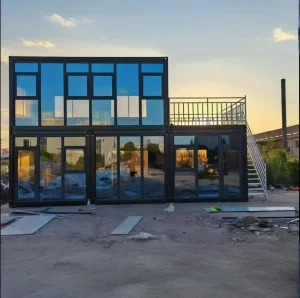
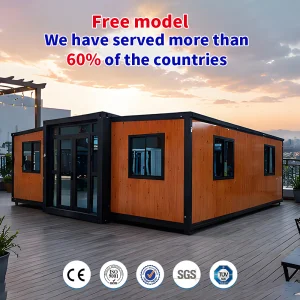
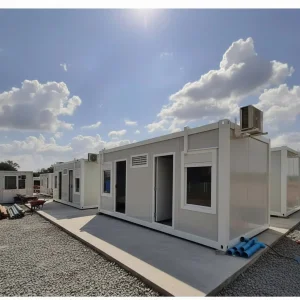
Engineered to exceed local Texas wind loads and municipal building regulations, manufactured for fast deployment.
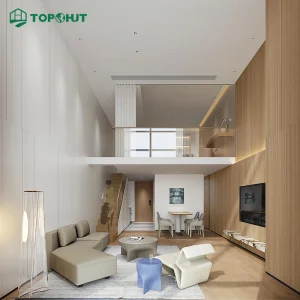
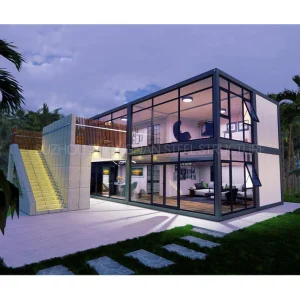
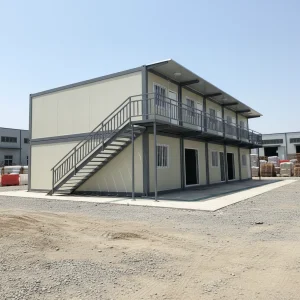
Navigating structural load challenges, climatic adaptations, and real estate shifts in the Gulf Coast region.
The real estate and construction industry in the Houston, Texas metropolitan area is undergoing a profound structural evolution. Driven by rapid population growth, rising municipal construction costs, and an urgent demand for faster project delivery, developers are increasingly transitioning from traditional stick-built construction models to advanced industrial modular technology. However, implementing modular systems within the Texas Gulf Coast requires addressing unique engineering challenges, local regulatory structures, and climatic vulnerabilities.
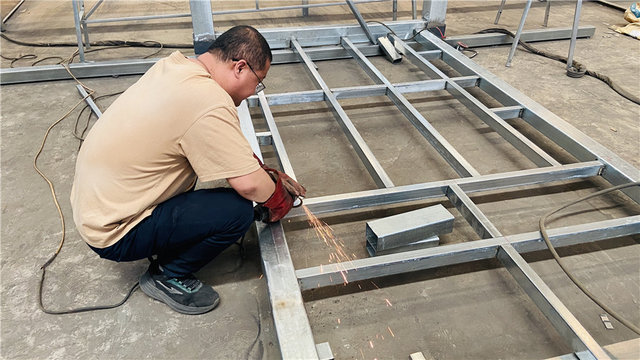
The Houston-The Woodlands-Sugar Land metroplex lies within severe coastal wind zones. According to ASCE 7 structural design criteria, modular structures must withstand wind speeds ranging from 120 mph inland to 150 mph near the coastline. Our steel frame systems are engineered with high-tensile cold-formed steel and welded connections to meet these stringent wind load requirements.
Houston’s geological landscape is characterized by high-plasticity clay soils (such as the Houston Black clay series) which exhibit extreme shrink-swell cycles. Off-site modular buildings must be paired with engineered foundation interfaces—specifically pier-and-beam or elevated post-tension slab designs—to mitigate subgrade movement and protect structural integrity over decades.
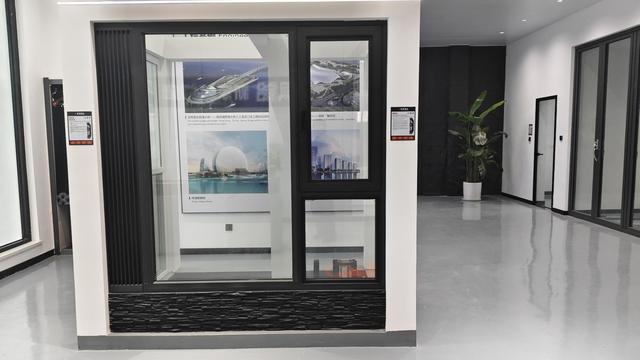
Operating in ASHRAE Climate Zone 2A, structures in Houston face intense heat, high humidity, and heavy precipitation. Building envelopes must deploy advanced thermal barriers, continuous outer insulation to prevent thermal bridging, and vapor-permeable water-resistive barriers. This mitigates condensation risk, mold development, and high cooling energy demand.
Decoupling cost from quality through standardized manufacturing scale, advanced metallurgy, and optimized shipping logistics.
The global construction supply chain relies on regional specialization to optimize cost, quality, and delivery speed. While local stick-built construction in North America faces persistent labor shortages, inflating material costs, and weather delays, Chinese modular manufacturing plants—specifically located in key industrial corridors like Hangzhou—provide high precision, scalability, and material cost advantages.
At Hangzhou CovetNest Build Co., Ltd., we utilize advanced DFMA workflows. Every project begins as a highly detailed digital twin modeled in 3D BIM software. This digital configuration translates directly to our automated factory floor. By manufacturing in a controlled indoor environment, we achieve tolerances under 1.5mm, a level of precision impossible to duplicate under variable field conditions.
The direct logistics connection between East Chinese ports (such as Ningbo-Zhoushan and Shanghai) and the Port of Houston (Barbours Cut & Bayport Terminals) provides a streamlined pipeline for heavy modular structures. Units are designed to optimize ISO standard container dimensions or ship as specialized flat-rack out-of-gauge cargo. This spatial optimization minimizes trans-oceanic freight costs, making imported high-end steel modular units highly cost-competitive compared to regional stick-built alternatives in the southern United States.
How developers deploy volumetric structural units across residential, commercial, and industrial projects.
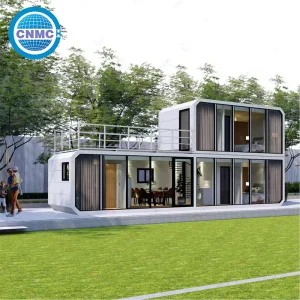
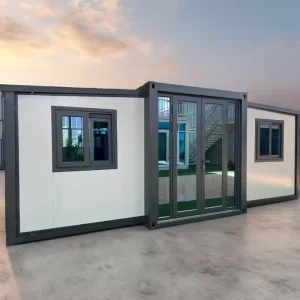
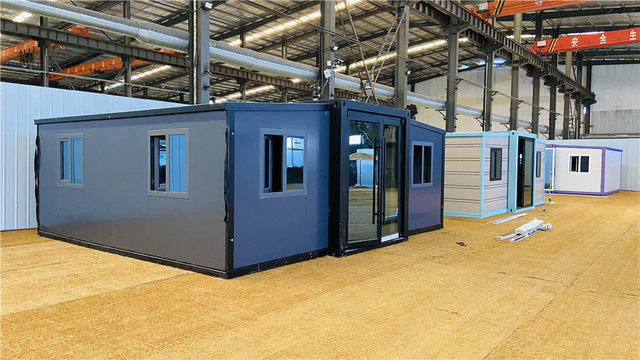
With changing zoning regulations across Harris County, modular Accessory Dwelling Units (ADUs) provide quick infill options. Homeowners can install expandable units or compact luxury villas in backyards as rental properties or multi-generational living spaces with minimal site disruption.
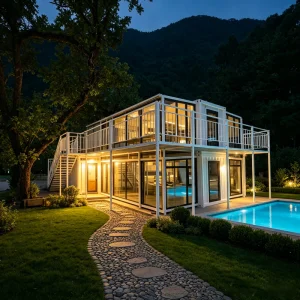
Along the Texas Gulf Coast, from Galveston down to South Padre Island, developer demand for elevated, wind-resistant modular hospitality cabins is growing. These luxury structures are elevated on piers to avoid storm surges while providing premium interior amenities.
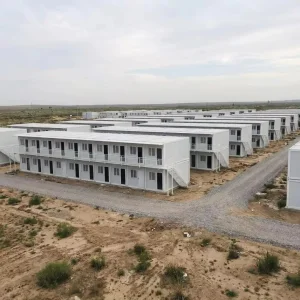
The oil, gas, and renewable energy sectors in Texas require rapid, durable labor housing. Heavy-duty modular offices, dormitories, and multi-unit complexes can be deployed to remote extraction sites, configured quickly, and relocated when project cycles shift.
Modern developers look beyond fast assembly; project viability is increasingly tied to ESG (Environmental, Social, and Governance) targets. Chinese steel modular exporters utilize highly recycled structural steel frames, low-VOC paint systems, and mineral wool insulation. This reduces the embodied carbon of building envelopes by up to 35% compared to traditional poured-in-place concrete structures. Additionally, modular assembly reduces traffic, noise, and dust pollution in surrounding neighborhoods, creating a cleaner construction process.
Key technical specifications and testing standards to verify when sourcing steel-frame volumetric modular structures.
Sourcing structural assets from global manufacturers requires clear technical parameters. Buyers must verify the following standards to ensure compliance with local engineering boards:
Providing clear, detailed answers on structural engineering, importation procedures, and site preparation.
Do imported Chinese modular homes comply with the International Residential Code (IRC) used in Texas?
Yes. Standard modular structures destined for Texas are designed to comply with local IRC and IBC building standards. We collaborate with licensed U.S. structural engineers to review structural framing plans, energy performance calculations, and connection details to ensure approvals by local building departments.
How are these units transported from the Port of Houston to the project site?
Most modules are built to standard container size profiles (20-foot and 40-foot units) or designed as expandable modules. These fit on standard flatbed trailers or chassis and are moved via standard highway routes. Out-of-gauge elements are transported using specialized freight permits according to TxDOT regulations.
How do modular steel-frame buildings perform in high-humidity coastal zones like Houston?
Our steel frames undergo hot-dip galvanization and are coated with multi-layer epoxy primer and polyurethane finishes. This protective coating isolates the underlying structural steel from oxygen and moisture, preventing corrosion even in coastal marine environments.
What is the standard lead time from factory design to on-site assembly?
The standard production phase at our factory spans 30 to 45 days, depending on custom details and order volume. Ocean freight from China to the Port of Houston typically takes 25 to 35 days. Site preparation and foundation construction occur in parallel, allowing for rapid final assembly on-site in just a few days.
Can these modular buildings be stacked to create multi-storey projects?
Yes, our heavy-gauge structural steel modular systems are designed to stack up to 6 stories without requiring secondary supporting steelwork. This capability is ideal for high-density multi-family housing, student housing, and commercial hotel developments.
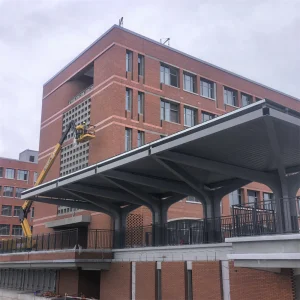
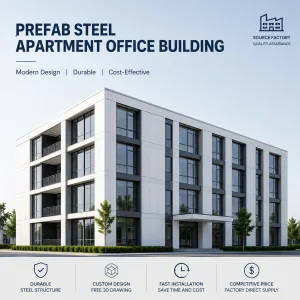
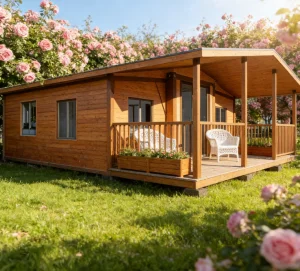
Explore our range of volumetric modular systems, expandable units, and industrial-grade steel-frame options.
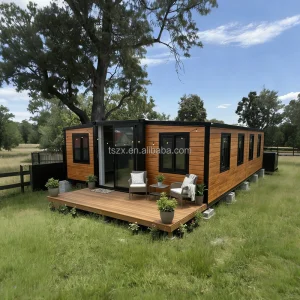
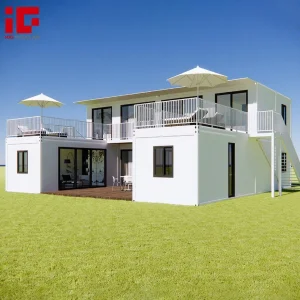
Leading Chinese modular production engineering, delivering smart and sustainable structures worldwide.
Hangzhou CovetNest Build Co., Ltd. is a leading Chinese structural modular home manufacturer specializing in custom prefabricated villa and volumetric steel building systems. We serve residential developments, hospitality chains, and industrial projects globally. By integrating research, advanced metallurgy, and modern design, we deliver modular structures that combine aesthetics, thermal performance, and wind resistance.
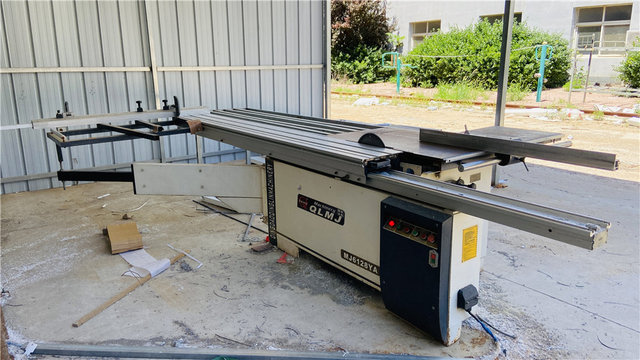
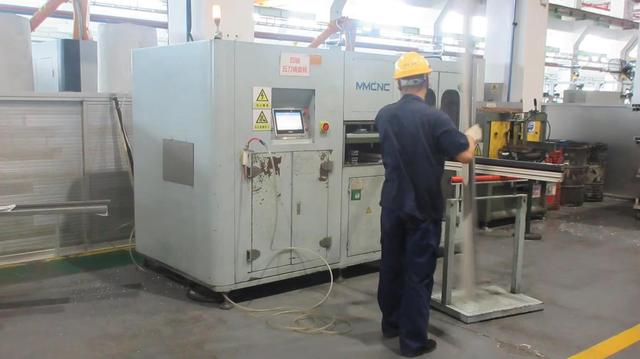
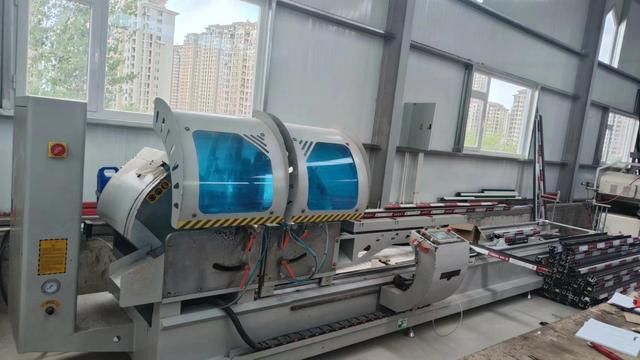
Our automated production facilities use computer-controlled welding processes and automated material handling. This structural framing process allows us to control quality at every stage, from initial design review to containerized shipment. Whether you require modular villas for coastal developments, worker accommodation units, or commercial complexes, CovetNest provides integrated architectural engineering, quality assurance inspection, and global delivery services.
 CovetNest Build