CovetNest Build
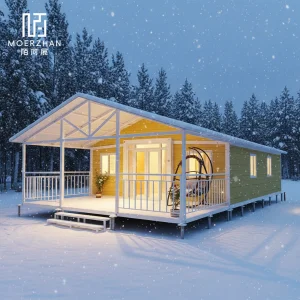
Industrial Whitepaper: The Evolution of Multi-Story Modular Construction in Spain
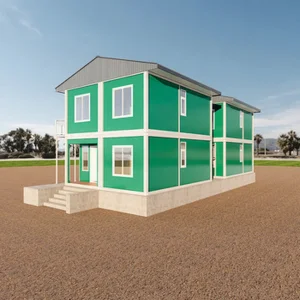
Offsite modular manufacturing has transitioned from a niche architectural choice to a major structural paradigm shift within the global construction sector. In Spain, this transformation is driven by tight labor markets, strict thermal performance metrics dictated by European regulations, and a pressing demand for shorter project timelines. Multi-story modular homes constructed using cold-formed light gauge steel (LGS) and heavy structural steel represent the pinnacle of this industrial evolution.
1. The Industrial Landscape of Modular Construction in Spain
Spain's building sector faces a unique convergence of challenges. Rapid urbanization in hubs like Madrid, Barcelona, and Valencia has created a supply-demand imbalance in the housing sector. Concurrently, the coastal real estate and hospitality sectors in Andalusia, Costa Brava, and the Balearic Islands require rapid, high-end construction solutions that minimize local environmental disruption. Traditional onsite concrete methods are increasingly burdened by fluctuating raw material prices and a significant shortage of skilled manual labor.
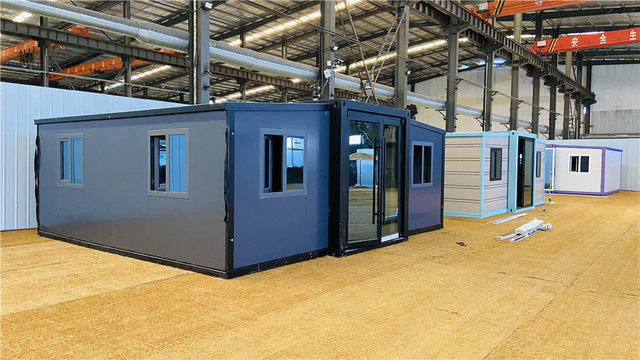
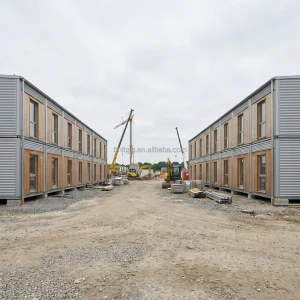
In response, Spanish developers are embracing prefabricated volumetric modular solutions. These systems allow up to 90% of construction tasks—including structural engineering, insulation installation, interior partitioning, electrical wiring, and plumbing—to be executed in a controlled factory setting. This shift from physical field labor to precision manufacturing guarantees tighter structural tolerances, higher raw material efficiency, and a drastic reduction in project duration by up to 50%.
2. Addressing Global Procurement & Developer Demands
For international property developers, general contractors, and hospitality groups looking to export modular components to Spain, supply chain reliability is paramount. Global procurement specialists look for manufacturers who can integrate architectural engineering capabilities with low-cost, high-scale manufacturing hubs. Key client requirements include:
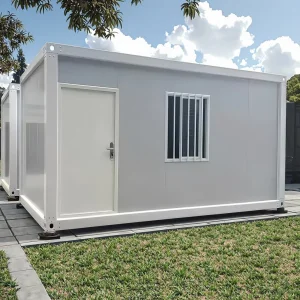
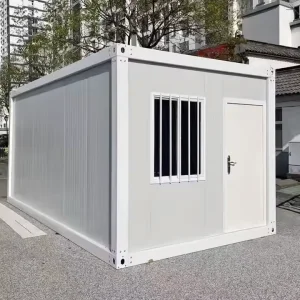
- Geometric Customization: The capability to adapt steel framing parameters to match custom architectural blueprints instead of relying on generic shipping container modules.
- Thermal and Acoustic Shielding: Spain's diverse climate zones—ranging from the humid northern Atlantic coast to the semi-arid, hot southern provinces—require variable insulation configurations (e.g., mineral wool, PIR boards, double or triple glazing) to satisfy energy ratings.
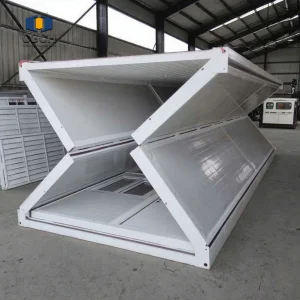
- Optimized Logistics: Modular packaging (such as flat-pack systems or componentized volumetric frames) designed to maximize container volume efficiency during maritime shipping from China ports (like Ningbo or Shanghai) to major Spanish gateways like Barcelona and Valencia.
3. Macro-Industry Technical Solutions & Engineering Paradigms
Hangzhou CovetNest Build Co., Ltd. addresses these global demands by deploying advanced technological platforms that merge design, engineering, and manufacturing:
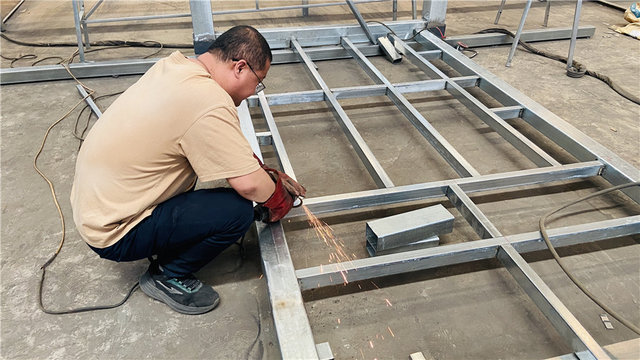
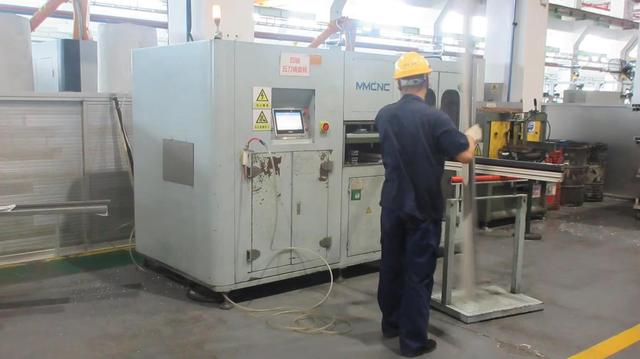
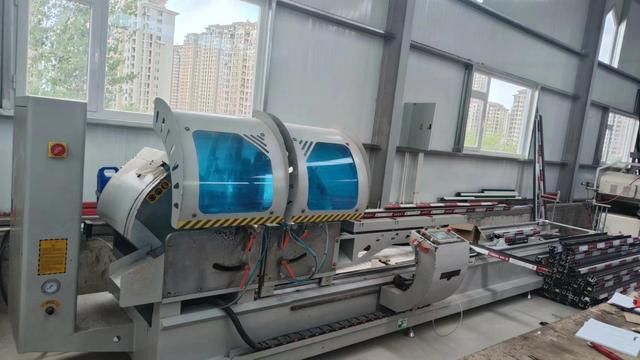
- BIM-to-Factory Integration: Utilizing Building Information Modeling (BIM) software down to LOD 400 (Level of Detail), ensuring that structural dimensions are translated directly to automated roll-forming machines without manual intervention, keeping deviations below 1mm.
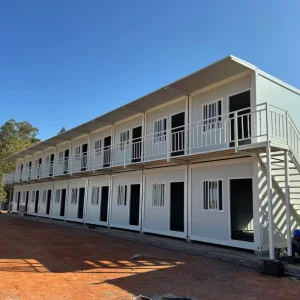
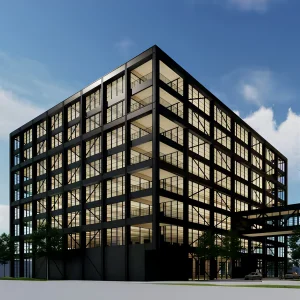
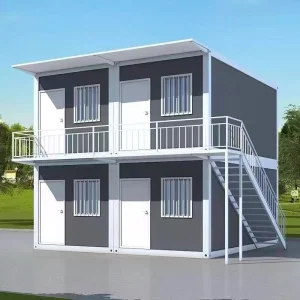
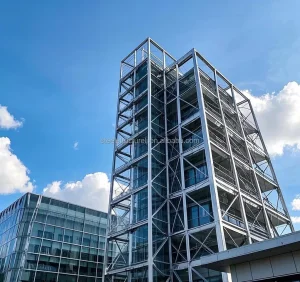
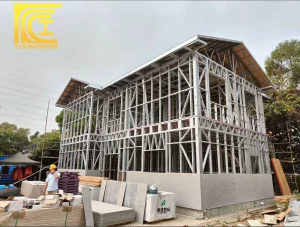
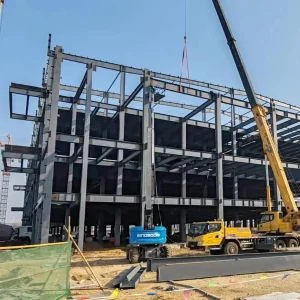
- Multi-Story Load Transfer Systems: For buildings exceeding two stories, we incorporate hybrid framing models. Heavy-gauge structural columns and beams act as the primary load-bearing skeleton, while light-gauge steel frames serve as non-load-bearing, highly insulated wall panel partitions.
- Acoustic Isolation & Fire Barriers: Specially designed floor-ceiling junctions featuring dampening channels and fire-resistant fiberboard achieve fire ratings up to EI90/EI120, complying with Spain’s rigid safety mandates.
4. Technical Roadmap & Sustainability Horizons
The future of multi-story modular housing lies in sustainable engineering and smart automation. High-performance structures must act as decarbonization vehicles. By using high-strength structural steel with a high recycling content, developers can reduce the carbon footprint of structural work. Future advancements include integrating solar-photovoltaic panels, greywater filtration systems, and passive ventilation configurations directly into the volumetric modules prior to shipping. This turnkey integration turns modular buildings into active green assets capable of achieving BREEAM or LEED certifications in Spain.