Architectural execution featuring advanced thermal envelopes, high structural wind loads, and rapid structural assembly configurations.
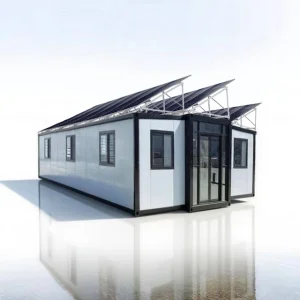
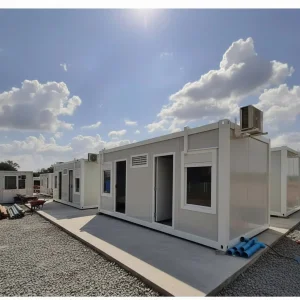
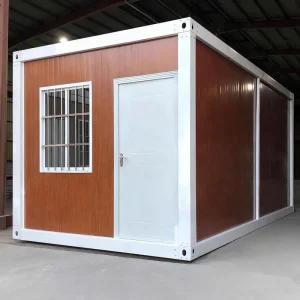
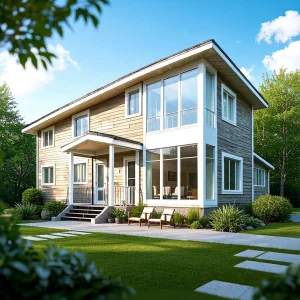
As global building code policies aggressively transition toward net-zero operational status and strict ESG mandates, traditional construction methods struggle under high labor dependencies and systemic logistics inefficiencies.
Hangzhou CovetNest Build Co., Ltd. stands at the forefront of the global architectural shift. By fusing high-precision cold-formed steel manufacturing with digital design architectures, CovetNest delivers luxury prefab structures that vastly outperform typical brick-and-mortar installations. Our integrated framework streamlines everything from design stages to regional logistics protocols.
Whether implementing off-grid energy configurations in the remote Australian Outback or deploying stackable modular complexes for high-density European environments, CovetNest designs comply with strict structural load configurations and energy targets worldwide.
Analyzing systemic shifts in offsite prefabrication, embodied carbon control, and strict global building standards.
Traditional builds account for massive material wastage. Pre-engineered cold-formed steel and structural insulated panels (SIPs) reduce manufacturing emissions, creating structural configurations that are highly recyclable at the end of their lifecycle.
Applying Design for Manufacture and Assembly (DFMA) rules ensures each structural component fits perfectly. Component optimization minimizes onsite adjustments, shortening overall project durations by up to 60%.
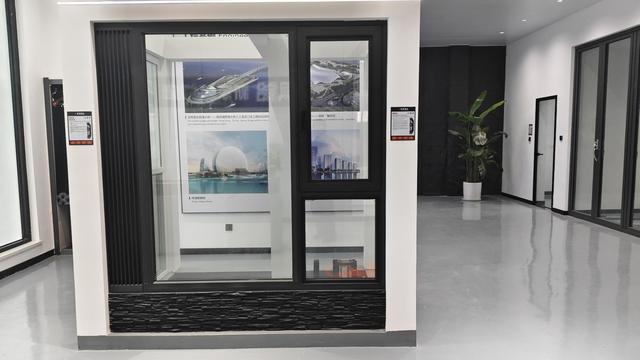
By using advanced structural insulation cores (such as PIR/rockwool) and double-glazed low-E windows, our designs achieve very low thermal transmittance (U-values) that meet international green building targets.
Quantitative benchmarks demonstrating the performance advantages of modular prefab frameworks.
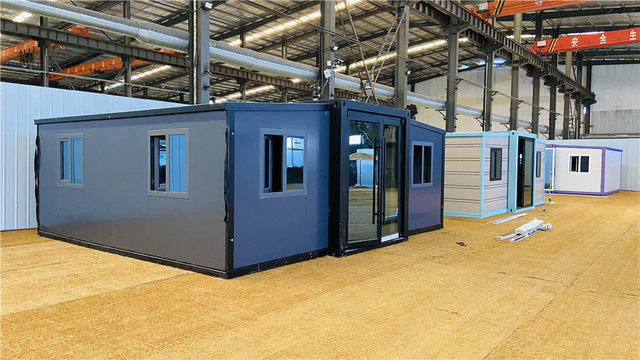
Strategic positioning within China's premier industrial and technology hub grants CovetNest unmatched supply chain resilience.
By working with local high-grade steel manufacturers, automated structural insulation suppliers, and marine shipping hubs, we reduce lead times while maintaining strict quality control. Our integrated manufacturing layout allows us to secure raw materials quickly, protect clients from volatile market shifts, and keep project timelines on track.
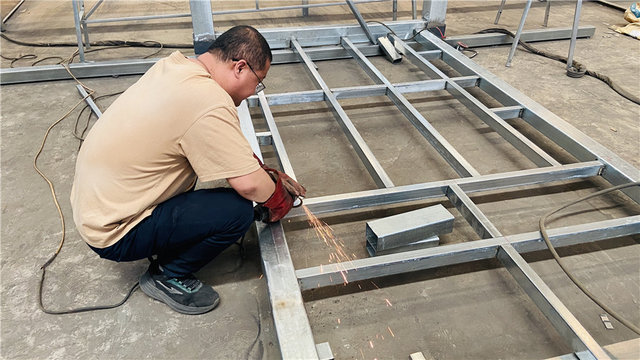
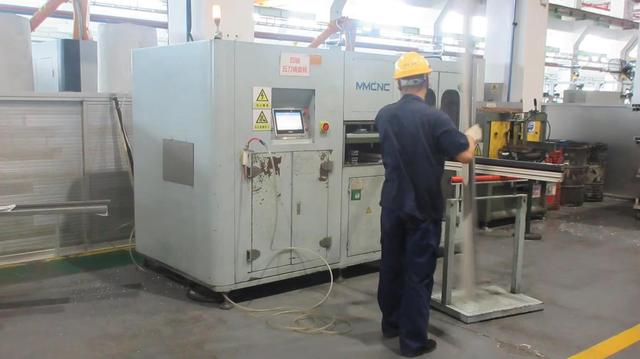
Our automated manufacturing systems operate under strict quality management workflows. This setup ensures that modular parts are produced to precise tolerances (within ±1mm), ensuring smooth assembly once components reach their global destination.
Adapting advanced modular configurations to varying climates, topographies, and building requirements worldwide.
Design Implementation: Heavy-gauge galvanized steel framing paired with deep foundation anchor plates.
Outcome: Excellent wind load performance suitable for Caribbean resorts, coastal vacation communities, and Pacific island sites.
Design Implementation: Solar roof arrays, integrated water storage, and low-waste self-contained sewage systems.
Outcome: Independent living solutions for remote eco-tourism pods, scientific stations, and mining camps.
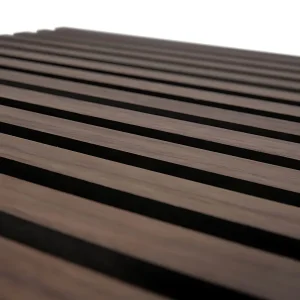
Design Implementation: Lightweight stackable flat-packs combined with structural wooden acoustic panels.
Outcome: Fast-turnaround commercial offices, apartment units, and student housing projects that minimize urban traffic disturbance.
A strategic vision detailing our ongoing technological innovations in materials, energy integration, and smart controls.
We are moving beyond standard external solar panels to integrate photovoltaic layers directly into roof and wall structures. This change improves energy collection while maintaining clean modern architectural designs, turning modular homes into mini-power grids.
We are incorporating phase-change materials (PCMs) within wall cavities to capture thermal energy. This insulation technology absorbs and releases heat to naturally stabilize indoor temperatures, significantly reducing the energy needed for heating and cooling.
Our upcoming projects will offer optional IoT structural and environmental sensors. These sensors monitor indoor air quality, thermal performance, and frame stress in real time, sending maintenance alerts directly to building owners' mobile devices.
Through partnerships with sustainable suppliers and optimizing logistics routes, we aim to offset the entire carbon footprint of our steel manufacturing processes, offering zero-carbon products within the next decade.
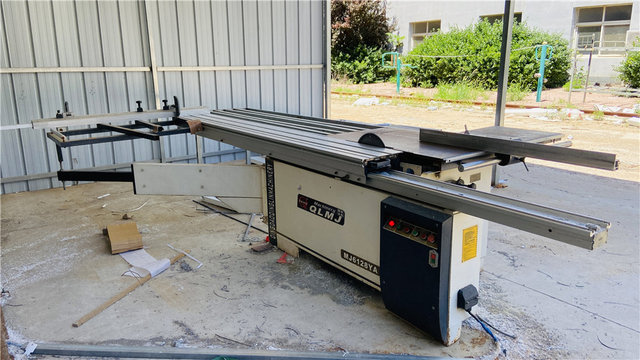
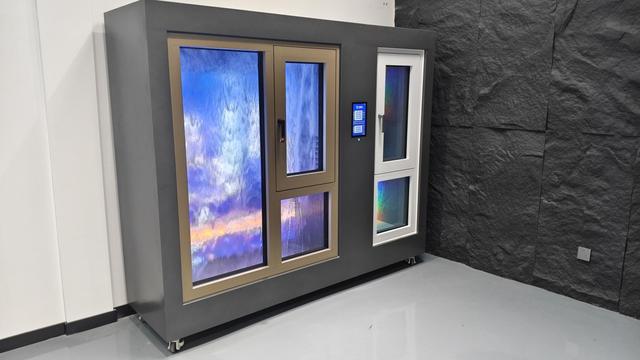
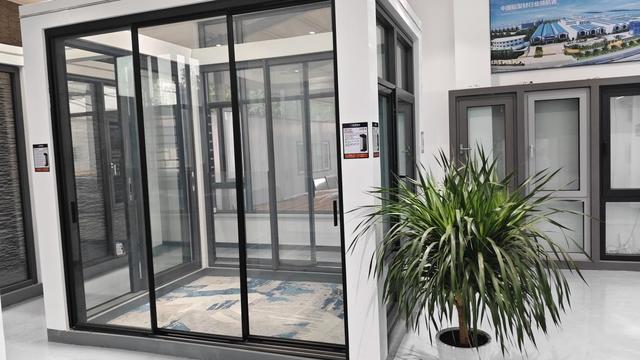
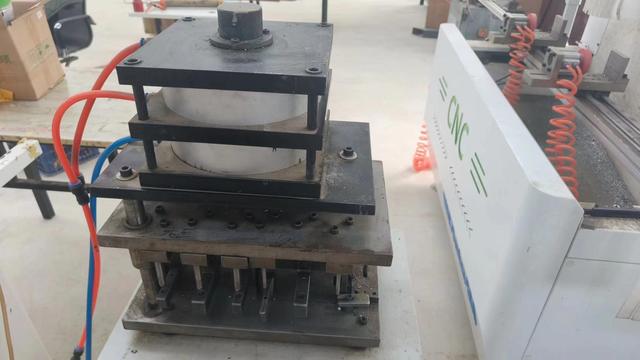
Behind the scenes at Hangzhou CovetNest: High-end manufacturing, custom architectural fabrication, and finished structures.
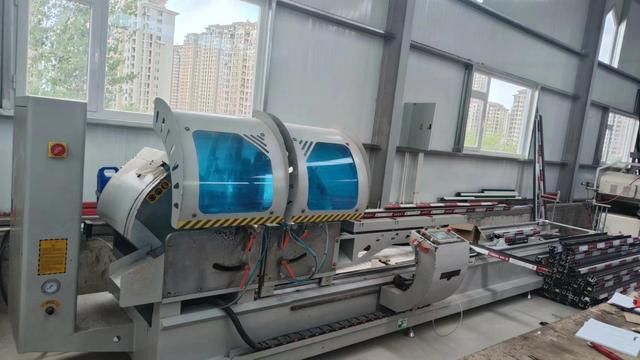
Navigating building regulations is crucial for international projects. CovetNest structures are designed and manufactured to comply with target market standards.
We align our designs with AS/NZS 1170 and NCC standards for Australia, meet International Building Code (IBC) requirements for North America, and carry CE Certifications for European projects.
Every unit undergoes strict structural engineering calculations before manufacturing. We supply certified documentation packages—including wind resistance reports, seismic ratings, energy performance certificates, and detailed material safety sheets—to help streamline the local permitting process.
Technical answers to common questions about modular shipping, building codes, insulation performance, and custom options.
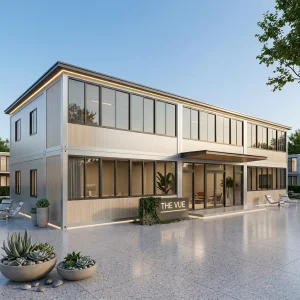
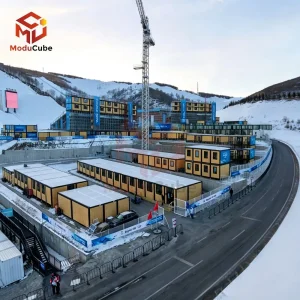
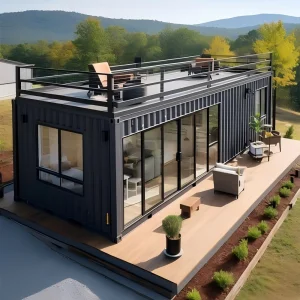
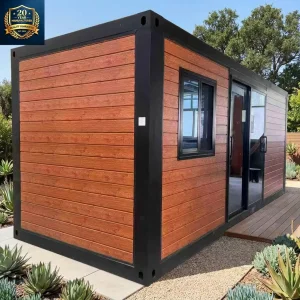
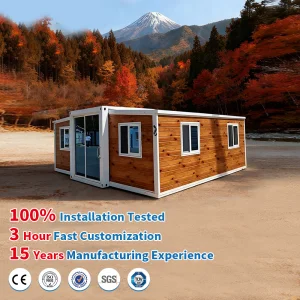
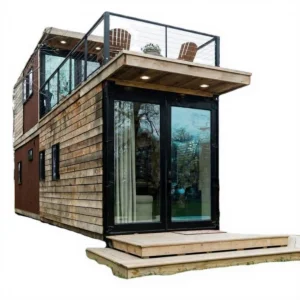
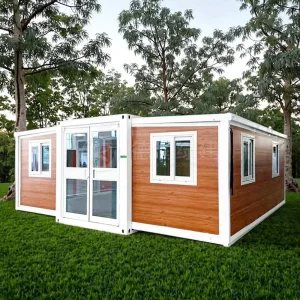
Explore our full range of modular designs, from space-saving tiny homes to expansive multi-family structures.
 CovetNest Build