Mountain Modular Cabins Manufacturers & Manufacturer for Italy

Precision-Engineered Off-Grid Alpine Architecture Complying with Eurocodes and Italian NTC 2018 Standards

Premium Alpine Architectural Formats

Pre-engineered structural designs optimized for the extreme weather and aesthetic sensitivities of the Italian Alps and Dolomites.

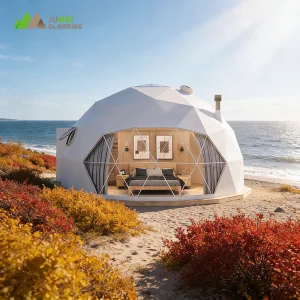
JUMEI Alpine Resort Geodesic Glamping Dome
JUMEI Alpine Resort Geodesic Glamping Dome - Dolomites Edition

Fully waterproof geodesic structural configuration designed for high-altitude eco-resort glamping sites across Italy.

Inquire Details
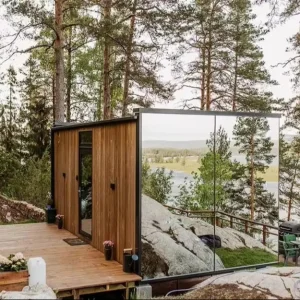
Aosta Valley Steel-Frame Panoramic Forest Cabin
Aosta Valley Steel-Frame Panoramic Forest Cabin & Modular Lodge

Heavy-duty structural steel frame layout featuring insulated curtain wall glass panels for maximum alpine daylight integration.

Inquire Details
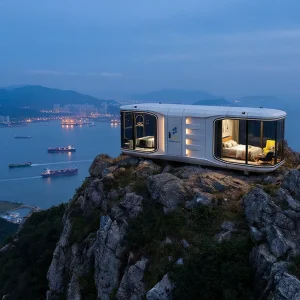
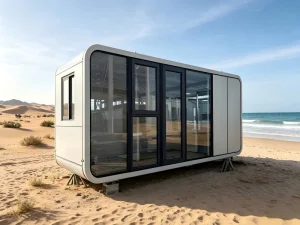
Cortina Aviation-Grade Aluminum High-Altitude Space Cabin

Aviation-grade corrosion-resistant aluminum cladding offering zero foundation disturbance and advanced insulation metrics.

Inquire Details
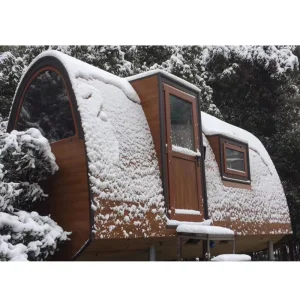
Trentino Eco-Integrated Prefabricated Luxury Treehouse Cabin

Suspended modular structure built on sustainable wood-integrated sub-frames, minimizing ground-level botanical impact.

Inquire Details

1. The Italian Alpine Market: High-Altitude Commercial Growth & Challenges

Italy’s mountainous regions—spanning the Dolomites, the Alps, and the Apennines—represent a highly regulated economic zone where premium tourism, environmental preservation, and structural integrity intersect. Traditional construction methods in these regions encounter severe bottlenecks: short seasonal construction windows (typically between late spring and early autumn), high high-altitude logistical costs, and extremely strict environmental footprint limits governed by local municipalities (Comuni) and national parks.

Consequently, developers, eco-resort operators, and private investors are shifting rapidly toward modular technology. Mountain modular cabins, built in state-of-the-art facilities off-site, enable over 85% of structural and interior fabrication to take place within controlled industrial environments. This bypasses the traditional onsite delays of alpine winters, reduces local site disturbance to near-zero metrics, and provides predictable capital expenditure (CapEx) predictability.

-70%
On-Site Assembly Time
<0.22
U-Value (W/m²K)
100%
Italian NTC 2018 Compliant

2. Engineering Roadmap: High-Load Performance & Passive Thermal Insulation

Operating in alpine terrains requires compliance with demanding mechanical parameters. Under the European Eurocodes and local Italian adaptation frameworks, structural calculations must account for three critical variables: seismic zoning (under NTC 2018), high snow accumulation loads, and severe wind speeds.

Seismic Resistance

Structural steel configurations designed to exceed Italian Zone 1 seismic acceleration limits, using structural steel profiles with EN 1090 certification.

Thermal Envelope

Polyurethane (PU) sandwich panels combined with double/triple-glazed low-emissivity argon-filled glass units, achieving U-values < 0.18 W/m²K.

Extreme Snow Loading

Reinforced triangular structural roof profiles calculated to withstand heavy alpine snow accumulation loads up to 8.5 kN/m².

The materials used are carefully selected to withstand intense thermal contraction and expansion cycle demands. High-density Structural Insulated Panels (SIPs) minimize thermal bridging, ensuring interior warmth in winter (-20°C) and cool comfort in summer without reliance on active HVAC systems.

3. Italy Localization, Zoning, and Compliance Protocols

Securing planning permission (Permesso di Costruire) in Italian jurisdictions demands rigorous structural documentation. All modular units imported and assembled by Hangzhou CovetNest Build Co., Ltd. are developed to align with European Technical Assessments (ETA) and CE standards.

Regulatory Integration Focus: We design, manufacture, and verify structural frames in compliance with EN 1993 (Eurocode 3: Steel Structures) and EN 1995 (Eurocode 5: Timber Structures), mapping structural configurations to specific Italian provincial zoning requirements, including the Aosta Valley, Trentino-Alto Adige, Piedmont, and Veneto regions.

Furthermore, our technical documentation package includes full material traceability, calculations signed off by registered structural engineers, and fire safety ratings (REI classification) compliant with standard Italian ministerial fire decrees. This documentation minimizes local bureaucratic delays, ensuring rapid clearance by local civil engineering offices (Genio Civile).
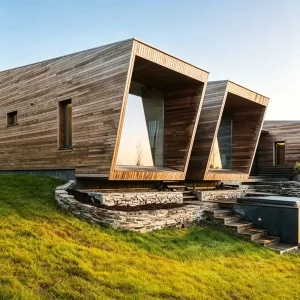
Commercial Off-Grid Solutions & Models

Engineered for high durability and minimal ecological impact, delivering complete turnkey luxury for development operators.

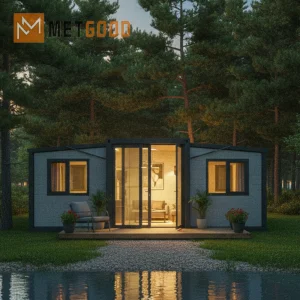
METGOOD Cervinia Expandable Off-Grid Cabin
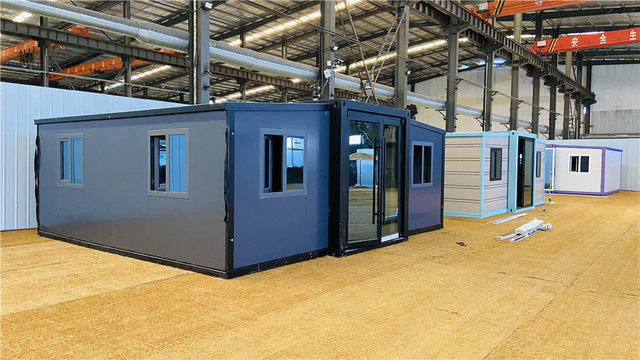
METGOOD Cervinia Expandable Off-Grid Cabin for High-Snow Climates

Advanced sandwich panel composition featuring an expandable slide-out structural mechanism for fast spatial configuration.

Inquire Details
Dolomiti High-Performance SIPs Insulated Tiny Cabin
Dolomiti High-Performance SIPs Insulated Tiny Cabin for Eco-Resorts

Optimized for commercial Airbnb operations with thick insulated panel layouts to lower active heating costs.

Inquire Details
Südtirol Luxury Panoramic Container Suite
Südtirol Luxury Panoramic Container Suite for Mountain Hospitality

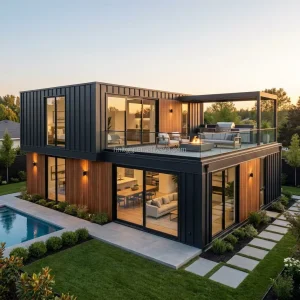
Industrial-grade strength combined with high-end interior finishes, presenting an architectural solution for high altitudes.

Inquire Details
Piedmont Modern A-Frame Two-Story Modular Barn Cabin

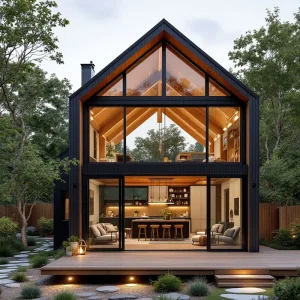
Two-story configuration featuring a steep triangle-roof design optimized for snow-shedding and high-ceiling aesthetics.

Inquire Details
Apennines Smart Mobile Apple Cabin
Apennines Smart Mobile Apple Cabin & Modular Commercial Pavilion

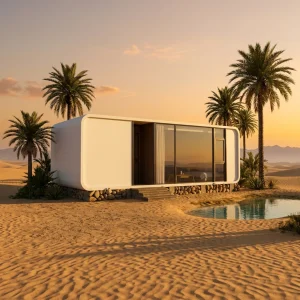
A futuristic smart container layout designed for coffee shops, bars, or high-end glamping hospitality hubs.

Inquire Details
Lombardy Two-Story Light Steel Mountain Cabin Kit

Lightweight structural design engineered for remote assembly where heavy crane machinery access is restricted.

Inquire Details
Lake Como Panoramic Prefab Modular Cabin

Features an expansive glass facade structure that blends seamlessly with waterfront and steep alpine environments.

Inquire Details
Friuli Modular Quick-Assembly Eco-Hut

High-value, cost-effective structural design utilizing galvanized steel framing elements for rapid local assembly.

Inquire Details

4. Hangzhou CovetNest Build Co., Ltd. — China Factory 4.0 Supply Chain Integration

Hangzhou CovetNest Build Co., Ltd. operates advanced manufacturing facilities equipped with automated production lines, precision fabrication equipment, and rigorous quality management systems. Supported by an experienced team of architects, engineers, and project specialists, the company provides comprehensive one-stop services, including architectural design, structural engineering, manufacturing, quality inspection, logistics coordination, and installation support.

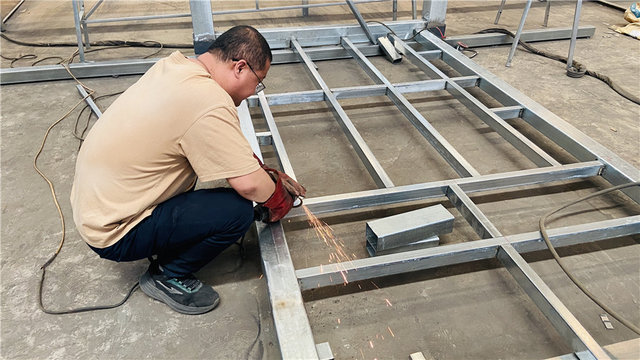
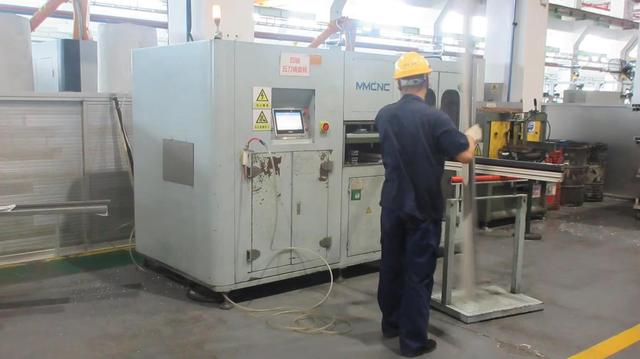
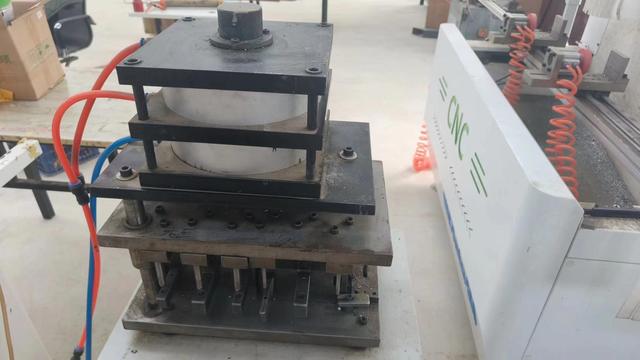
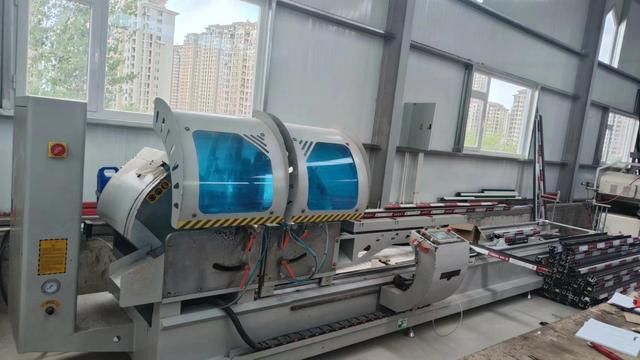
By leveraging Factory 4.0 processes, we manufacture modular structures that achieve tolerance limits under ±1mm, a precision level that is virtually impossible to replicate through traditional manual labor on high-altitude alpine slopes. Our computerized cutting systems, robotic welding cells, and dedicated insulation injecting lines guarantee consistent product quality across multi-unit commercial procurements.

Logistics represent a core stage of the supply chain. Every unit is designed with shipping dimension optimization in mind, ensuring modular units are safely packed into standard 40-foot High Cube (HQ) or flat-rack containers. These containers are routed directly from Hangzhou through China’s primary coastal ports (Ningbo/Shanghai) to major Italian maritime terminals, including Venice, Trieste, Genoa, and Naples.

5. Strategic Procurement & Total Cost of Ownership (TCO)

For corporate developers in Europe, evaluating modular housing procurement involves analyzing the total lifetime value rather than initial manufacturing costs alone. Compared to traditional European concrete and wood frame construction, buying directly from an overseas Factory 4.0 source delivers substantial balance sheet benefits.

A lower initial capital outlay (CapEx), faster time-to-market, and reduced on-site labor requirements contribute to a significantly improved Return on Investment (ROI). Standard European mountain builds frequently experience delays exceeding 18 months due to weather issues and local labor shortages. In contrast, CovetNest's modular solutions allow foundation work on site and cabin production in the factory to proceed simultaneously, compressing project timelines by up to 50–70%.

6. The Decarbonization Roadmap & Off-Grid Autonomy

Sustainable alpine tourism relies on clean energy integration. The next generation of CovetNest structures is designed to support zero-emission operations.

This design integrates thin-film photovoltaic (BIPV) systems into roof panels, connects high-capacity lithium storage bank modules, and includes micro-wastewater treatment systems. By minimizing reliance on grid infrastructure, resort developments can operate autonomously in remote regions while meeting EU carbon-neutral goals.

Frequently Asked Questions (FAQ)

How do CovetNest cabins meet local Italian structural snow load codes?
All modular cabins destined for alpine regions like the Dolomites or Alps undergo structural analysis mapping local Italian regulations (NTC 2018). We reinforce the main steel framework and adjust the roof angle pitch to handle high snow accumulation up to 8.5 kN/m² depending on site altitude requirements.
What is the import process and customs handling for Italy?
We ship our modules in standard containers (HQ or OT) to major Italian ports (Genoa, Trieste, Venice). We supply all required commercial documentation, CE declarations of conformity, and technical drawings to assist your local customs broker.
Are the structural systems compliant with CE and European Eurocodes?
Yes, all load-bearing steel components are welded in accordance with EN 1090 standards. Design files are verified against Eurocode 3 (steel structure design) and Eurocode 5 (timber structure design) to simplify local engineering approvals.
Can the cabins operate in complete off-grid conditions?
Yes, our structures can be configured with pre-installed technical chases for solar integration (PV cells), battery bank enclosures, rain harvesting catchments, and low-consumption gray water filtering systems.

Deploy Your Alpine Project Faster

Get in touch with our engineering team to review site specifications, structural requirements, and custom finishes for your project in Italy.

Send Inquiry Now