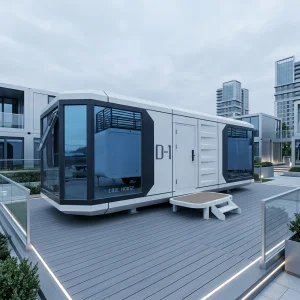
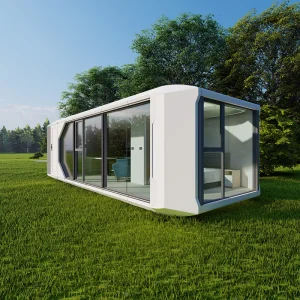
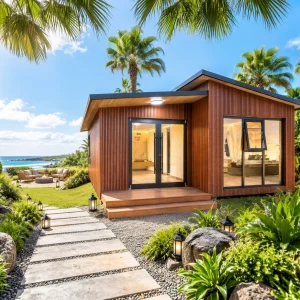
Explore our elite collection of beachfront tiny homes, space capsule cabins, and expandable modular villas designed for marine-grade durability and modern off-grid performance.
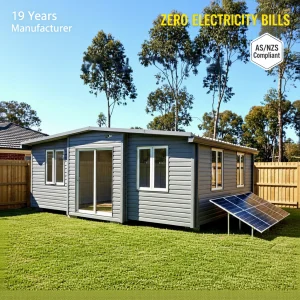
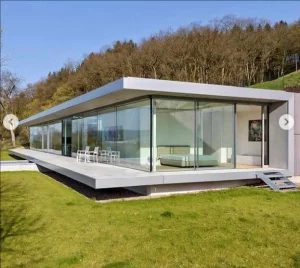
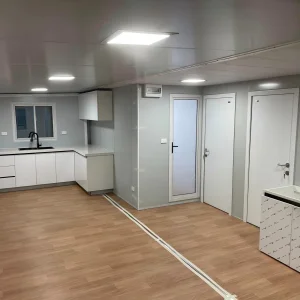
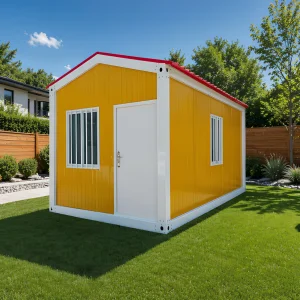
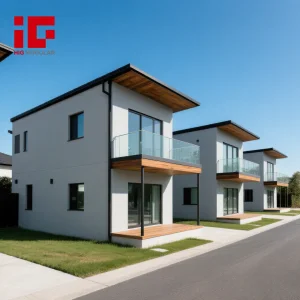
Hangzhou CovetNest Build Co., Ltd. stands at the forefront of China's high-end luxury modular housing sector. As a leading specialized manufacturer, we engineer custom prefabricated villas, resort pods, and mobile structures tailored specifically for complex spatial projects, remote locations, and sensitive coastal developments globally.
By shifting up to 90% of structural fabrication to our controlled factory environments, we eliminate typical weather bottlenecks, mitigate localized construction disruptions, and guarantee strict adherence to dimensional tolerances. Our structural portfolios fuse advanced architectural geometry, high-thermal insulation systems, and unmatched resilience to deliver premium beachfront tiny houses that satisfy strict residential and commercial codes.
From architectural blueprints and custom structural analysis to global logistics and final on-site installation guidance, Hangzhou CovetNest provides a comprehensive, end-to-end turnkey development pipeline.
Our structural designs incorporate hot-dip galvanized steel frames combined with anti-corrosive multi-layer coatings. This ensures a design lifespan that withstands high humidity, salt-spray exposure, and extreme wind loads typical of coastal zones and waterfront developments.
Analyzing B2B procurement trends, investment dynamics, and hospitality developer models worldwide.
Globally, commercial developers face increasing environmental restrictions regarding shoreline development. Traditional concrete foundation pours are frequently banned or heavily regulated in ecologically sensitive coastal zones due to dune disruption and soil compaction issues. Consequently, real estate funds, hospitality chains, and glamping operators are transitioning to factory-assembled beachfront cabins that leave a minimal environmental footprint.
China's advanced prefab factories bridge this gap by manufacturing modular dwellings that sit on elevated, low-impact screw piles. Developers in regions like the Mediterranean, the Caribbean, and coastal Australia rely on Hangzhou CovetNest's high-volume manufacturing lines to deploy entire eco-resorts within a fraction of the time required by traditional methods.
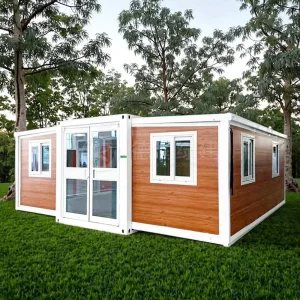
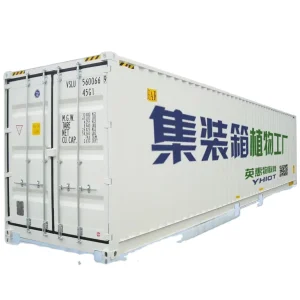
By leveraging standardized container dimensions (20ft, 40ft, and flat-pack configurations), beachfront modular homes are shipped securely via global freight channels. Because these units are structural units, the risk of marine shipping damage is heavily minimized. Scalability is achieved by optimizing the interior layouts for nesting and rapid unfolding at the site.
Commercial buyers benefit from consolidated global supply chains. A single shipment from Hangzhou CovetNest contains structural steel frames, prefabricated insulated panels, high-performance glazing, integrated electrical/plumbing utilities, and pre-fitted high-end interior finishes. This single-source procurement significantly reduces coordination risks and import bottlenecks.
Technical parameters designed to withstand marine corrosion, high relative humidity, and cyclonic weather patterns.
Standard steel frames succumb quickly to salt spray and rust. We apply a hot-dip galvanization process (minimum zinc coating thickness of 275 g/m²) followed by a marine-grade epoxy primer and polyurethane finish coating, meeting ISO 12944 C5-M standards for maximum coastal durability.
Coastal areas are highly vulnerable to high winds and storm surges. Our framing profiles utilize high-tensile Q355B structural steel, engineered to withstand wind velocities of up to 250 km/h (Category 5 cyclonic ratings), complying with Australian wind region D requirements.
Our walls combine high-density polyurethane (PU) or rockwool insulation boards with double-glazed, argon-filled Low-E safety glass. This dynamic thermal envelope minimizes solar heat gain in tropical climates, keeping cooling energy demands remarkably low.
To prevent interior mold and humidity issues, we install smart vapor barriers alongside moisture-resistant magnesium oxide (MgO) boards. This design facilitates proper breathability while preventing external humidity from penetrating the structural framing.
How advanced materials, smart home ecosystems, and autonomous off-grid utilities shape next-generation tiny homes.
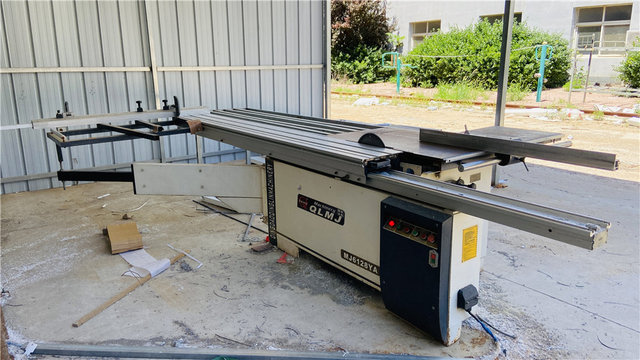
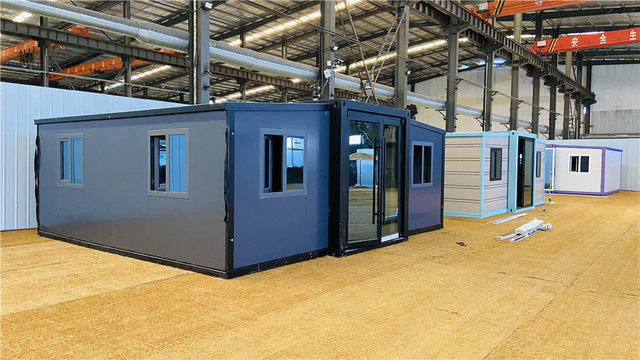
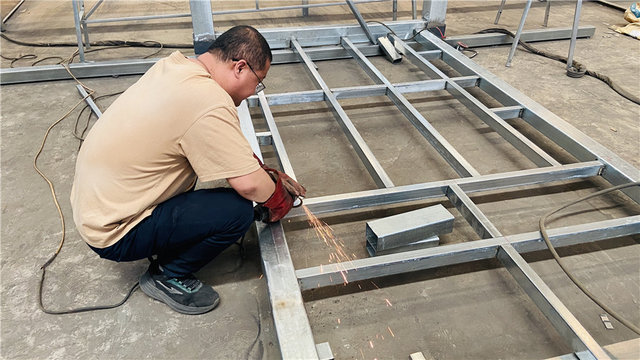
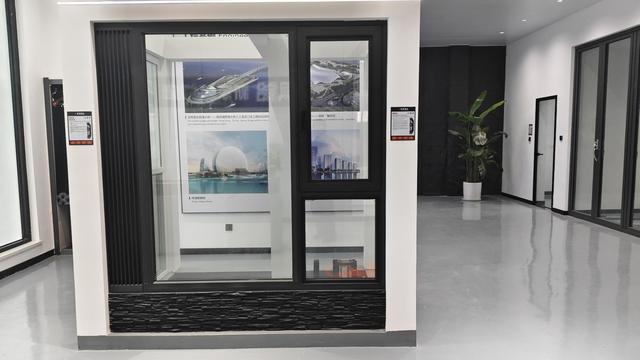
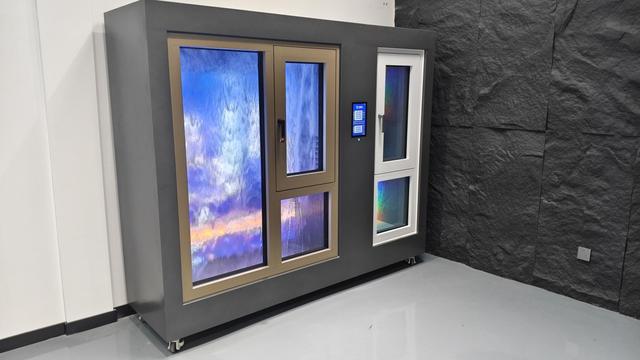
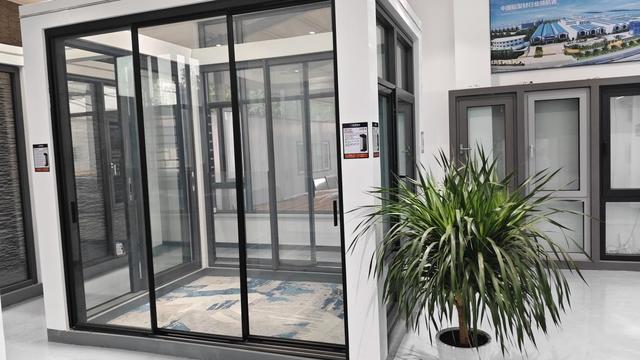
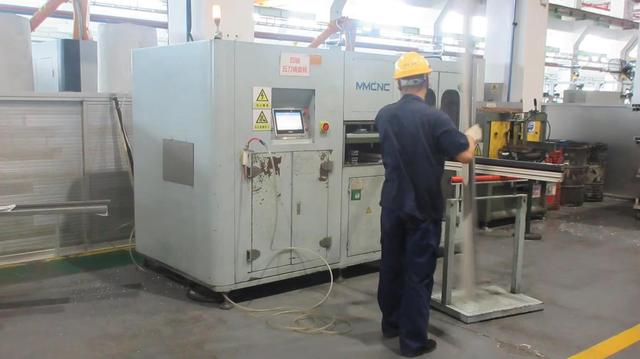
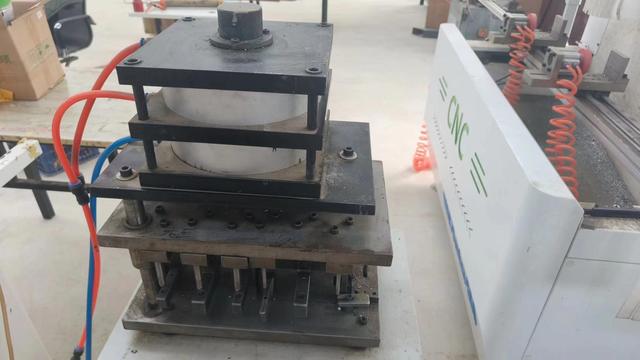
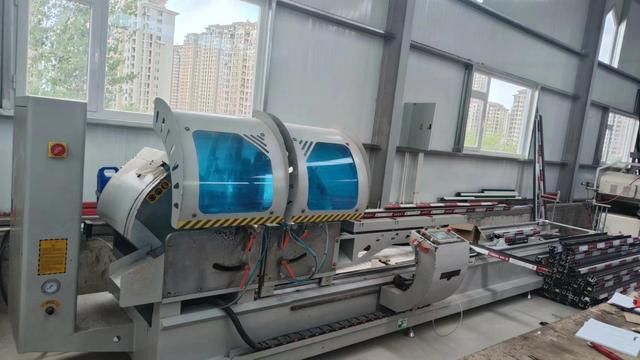
Inside Hangzhou CovetNest's advanced production facility. Every structure undergoes structural testing, welding inspections, and rigorous water-tightness tests before export.
Ensuring seamless customs clearance, regional code compliance, and reliable foundation design for international buyers.
One of the largest roadblocks in importing prefabricated housing is compliance with regional building standards. At Hangzhou CovetNest, we design our structural steel and timber assemblies to comply with structural standards, such as the International Building Code (IBC), Australian National Construction Code (NCC), and European CE certifications.
Electrical and plumbing systems are custom-specified during the design stage. We install UL-listed wiring for North American markets, SAA-approved components and AU-standard outlets for Australia and New Zealand, and CE-marked components for European destinations. This ensures local inspectors can easily approve the installation on-site.
Our structures are engineered to lift and secure using standard container crane systems, facilitating seamless transit across oceans. Prior to shipping, we provide detailed foundation layouts, specifying anchoring bolt positions and pile loading requirements.
For beachfront locations, we typically recommend screw piles or concrete piers. This preserves natural coastal water flow patterns, protects root systems, and prevents damage from tidal actions. Once the tiny house arrives at the port, it can be trucked directly to the site and installed within hours using a local crane operator.
Get detailed answers on technical compliance, custom modifications, marine-grade ratings, and international shipping.
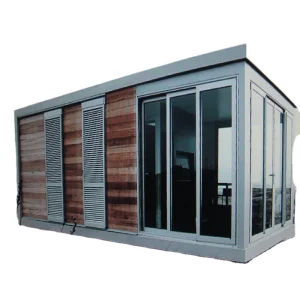
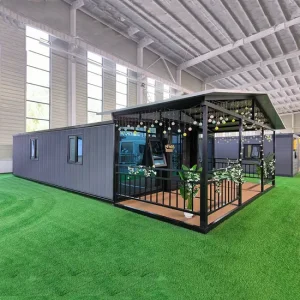
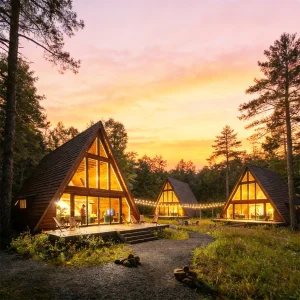
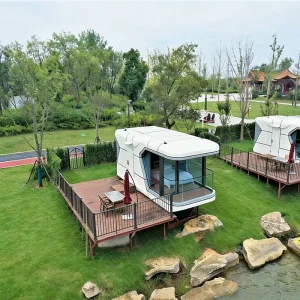
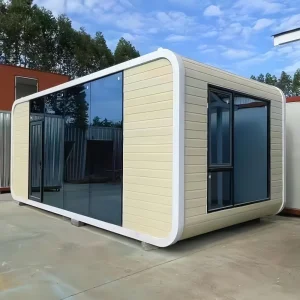
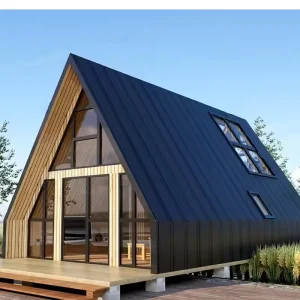
Discover more configurations, from compact wooden A-frames and luxury garden home-studios to high-volume mobile capsule homes.
 CovetNest Build