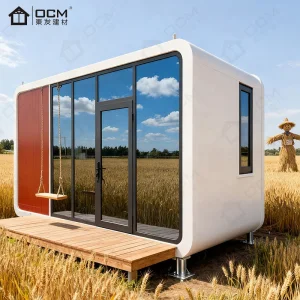
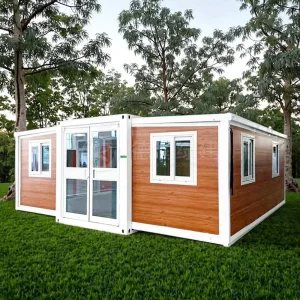
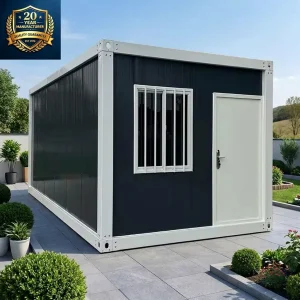
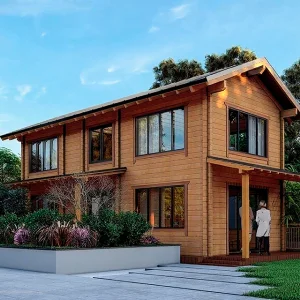
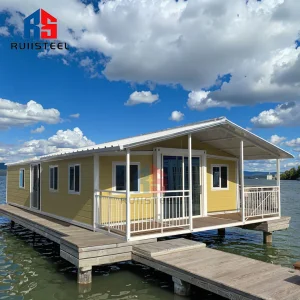
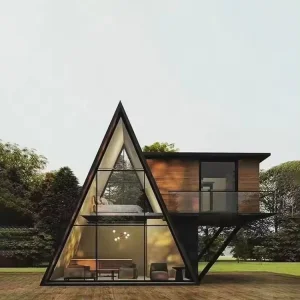
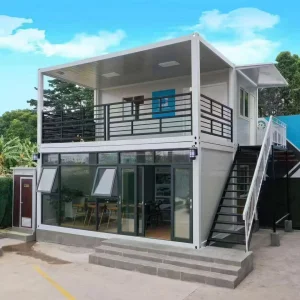
Architectural excellence meets fast assembly. Explore our flagship custom prefabricated units optimized for high thermal efficiency and rapid deployment.
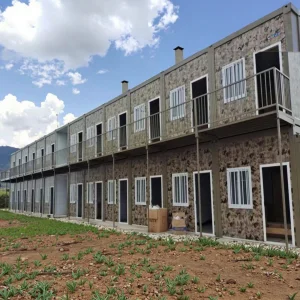
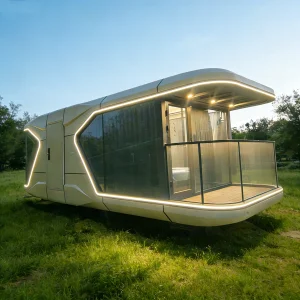
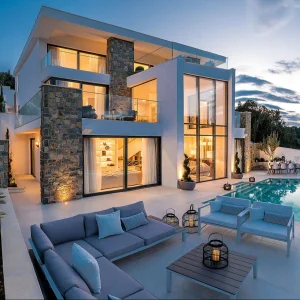
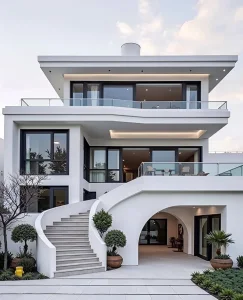
The global construction industry is undergoing a monumental transition. Driven by escalating labor costs, stringent environmental metrics, and the imperative for accelerated ROI, traditional on-site construction is yielding to off-site volumetric manufacturing. Modern custom prefabricated structures represent the zenith of this evolution. They are no longer mere temporary shelter alternatives but high-engineered, structurally verified, and visually stunning spaces engineered for longevity, durability, and compliance across diverse geographies.
According to current market intelligence, the global modular construction market is expected to surpass USD 140 billion by 2028, with compound annual growth rates (CAGR) exceeding 6.5%. The core driver is no longer just cost reduction, but risk containment. By taking the construction process into a controlled factory environment, developers can bypass weather delays, optimize raw material utility, and ensure structural tolerances measured in millimeters rather than centimeters.
Hangzhou CovetNest Build Co., Ltd. is a leading China luxury modular home manufacturer specializing in custom prefab villa solutions for residential, hospitality, and resort projects worldwide. With a strong commitment to innovation, craftsmanship, and sustainable construction, the company delivers premium modular housing solutions that combine sophisticated design, superior quality, and modern living experiences.
The company offers a diverse portfolio of products, including luxury modular homes, custom prefab villas, contemporary prefabricated residences, modular resort villas, smart homes, vacation homes, and turnkey modular housing solutions. Designed to meet the highest standards of aesthetics, comfort, and durability, CovetNest's modular structures provide customers with elegant living spaces while significantly reducing construction time and on-site labor requirements.
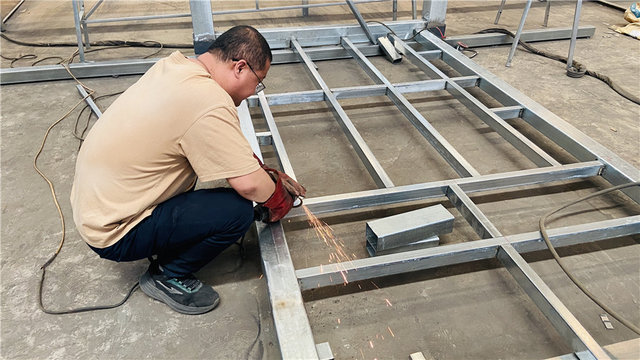
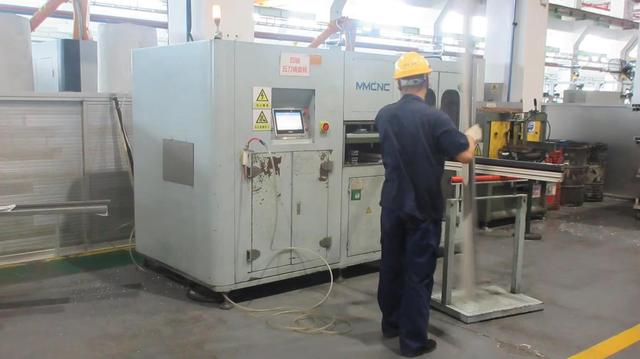
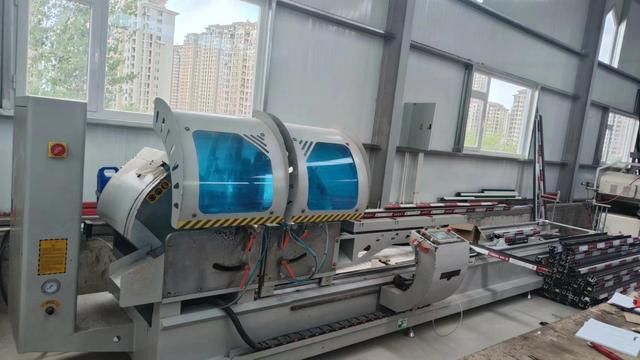
Operating out of advanced fabrication zones equipped with state-of-the-art automated production lines and precision welding setups, CovetNest executes complex designs under rigorous quality management systems. Supported by a comprehensive cross-functional team of architects, structural engineers, supply chain leads, and international logistics coordinators, CovetNest ensures that every single module leaving the factory floor complies with the safety, insulation, and wind-loading codes of the target destination.
Driven by innovation and sustainability, CovetNest integrates energy-efficient materials, smart home technologies, and environmentally responsible construction practices into every project. The company's modular housing systems are widely used in luxury residences, vacation properties, hospitality developments, eco-resorts, and high-end commercial accommodation projects across global markets.
Quality, integrity, and customer satisfaction remain the core values of Hangzhou CovetNest Build Co., Ltd. Through continuous technological advancement and customer-focused service, the company has established long-term partnerships with clients throughout Asia, Europe, North America, the Middle East, Africa, and Oceania. CovetNest remains dedicated to creating premium modular living solutions that redefine modern luxury and deliver lasting value to customers worldwide.
The procurement of prefabricated structures hinges heavily on supply chain integration. Hangzhou, located within the Yangtze River Delta manufacturing cluster, offers unparalleled strategic advantages for international buyers:
Direct proximity to major steel, insulation, and glass manufacturing hubs allows for custom specification (e.g., Q355B structural steel, dual-pane low-E glass) without premium transport costs.
ISO9001 and ISO14001 compliance standards run native in the Hangzhou facilities. Complete vertical control over framing, wall paneling, and internal systems limits defects to near-zero margins.
Minutes away from Ningbo-Zhoushan Port and Shanghai Port, enabling rapid shipping via standard OT (Open Top) or FR (Flat Rack) containers, ensuring low freight overheads.
A recurring friction point for global developers sourcing prefab structures is the local building code. Hangzhou CovetNest eliminates this pain point by engineering units to match national and local statutory requirements:
| Target Region | Structural Standard | Thermal Metric (U-Value) | Seismic / Wind Resistance |
|---|---|---|---|
| North America | AISC, IBC/IRC Compliance | R-22 to R-38 Equivalent | Seismic Design Category D / Wind up to 150 MPH |
| European Union | Eurocode 3 & 4 (CE marked) | ≤ 0.20 W/m²K | Wind Class C4 / Local snow load adaptations |
| Australia & NZ | AS/NZS 1170.2 (Wind Actions) | R2.5 to R4.0 rating | Cyclonic Wind Region C & D Compatibility |
The adaptability of CovetNest prefabricated solutions allows them to perform flawlessly across highly contrasting environments:
Coastal resorts demand panoramic glazing combined with heavy-duty protection against saline environments. CovetNest villas feature hot-dip galvanized steel frames (minimum 275g/m² zinc coating) and marine-grade multi-layer exterior coatings. This configuration prevents oxidation and structural deterioration in humid, salt-rich atmospheres.
For high-altitude applications, the structural design must bear severe snow loading up to 2.5 kN/m² and preserve internal heat during sub-zero winters. The integration of high-density Polyurethane (PU) sandwich panels or Rockwool insulation cores prevents cold bridging, significantly lowering the HVAC utility demands on off-grid power grids.
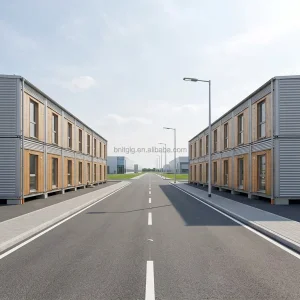
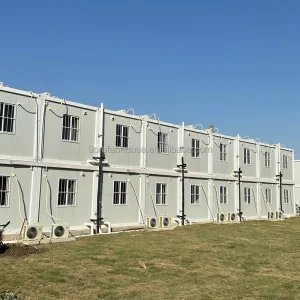
In congested urban zones where traditional construction is restricted due to noise and space constraints, flat-pack and volumetric stacking modular systems excel. Units are delivered 90% pre-fitted out and lifted directly into place via mobile cranes, bypassing heavy street closures and minimizing localized pollution.
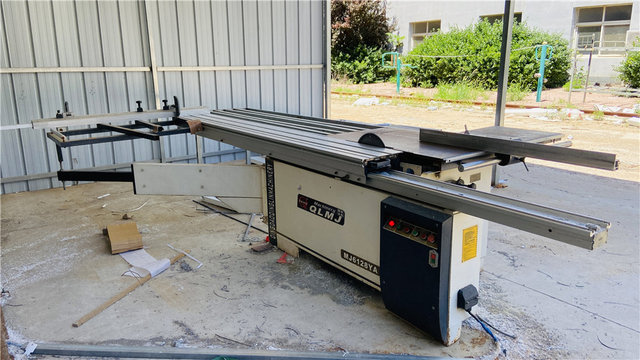
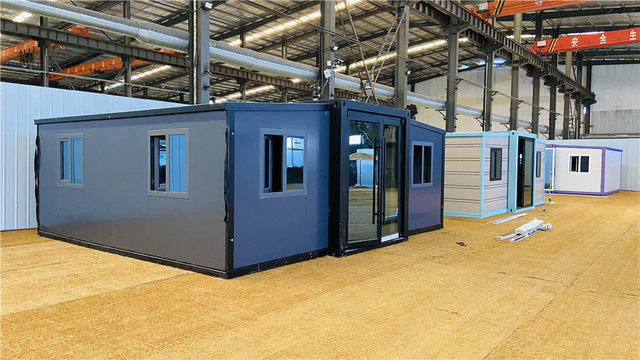
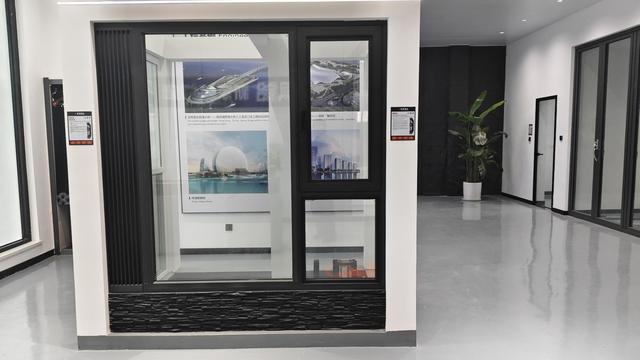
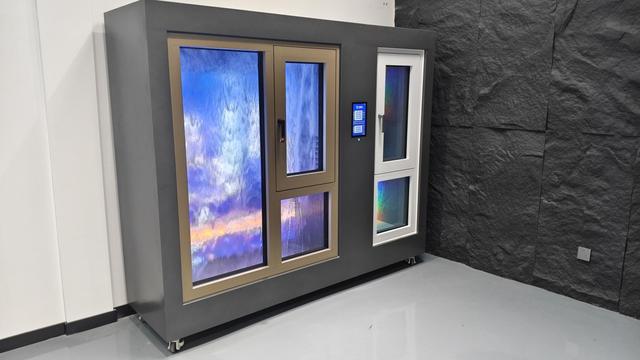
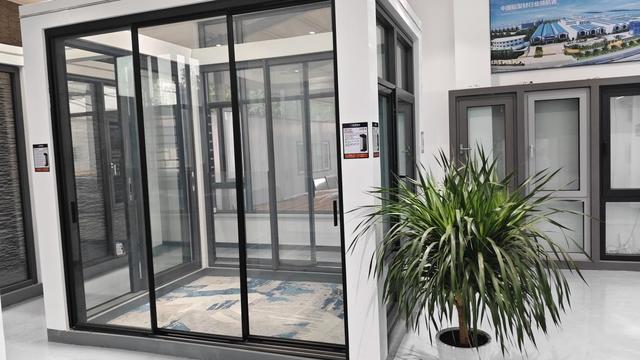
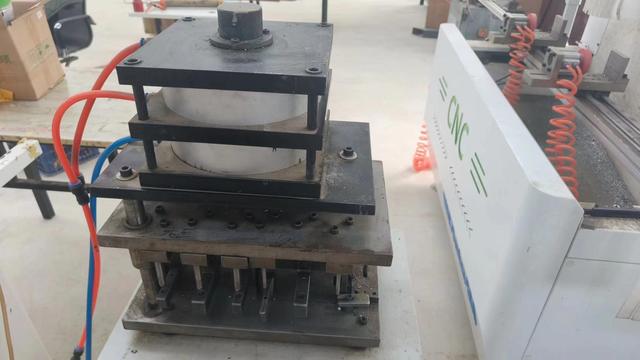
A visual look into Hangzhou CovetNest's fabrication excellence, design accuracy, and international dispatch setups.
Answering the most critical engineering, compliance, and logistics questions from professional developers.
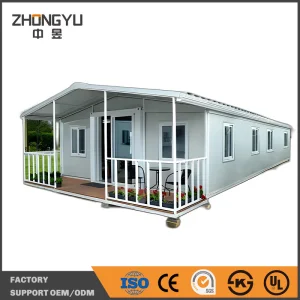
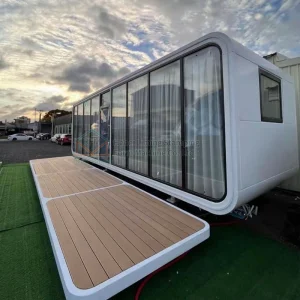
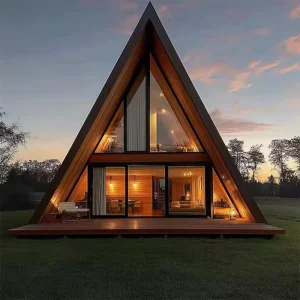
Select modular concepts for vacation homes, commercial accommodations, and permanent structural requirements.
 CovetNest Build