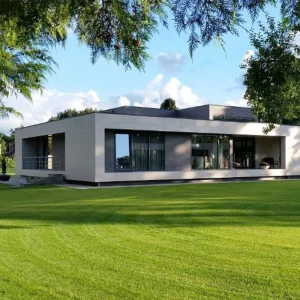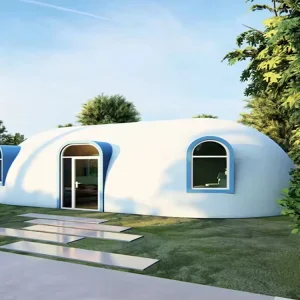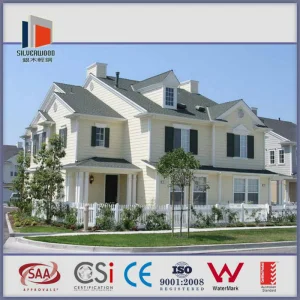
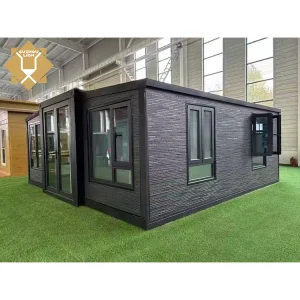
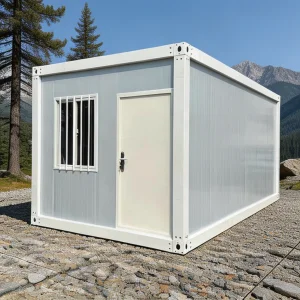
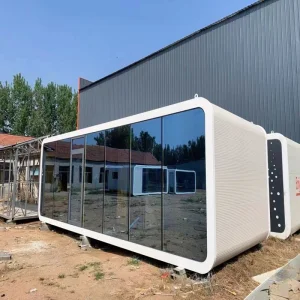
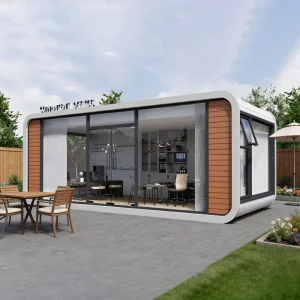
An authoritative analysis of modular residential engineering, regional regulatory compliances, and localized procurement strategies for B2B stakeholders.
The global construction industry is undergoing its most significant evolution since the industrial revolution. High-end real estate developers, hospitality brands, and municipal housing corporations are moving away from traditional, on-site, wet construction techniques toward off-site volumetric prefabrication. Driven by rising on-site labor costs, stricter environmental guidelines, and the demand for shorter project timelines, prefabricated modular construction offers a highly efficient alternative. Prefabricated modules are manufactured under climate-controlled factory conditions, allowing site excavation, foundation work, and structural assembly to happen concurrently. This parallel workflow reduces total project timelines by up to 50% while offering superior quality control, tighter tolerances, and minimal material waste.
"Volumetric modular manufacturing represents a fundamental shift. By moving the majority of construction work into a controlled factory setting, we achieve tolerances measured in millimeters rather than centimeters, mitigating risks associated with weather, local labor shortages, and material quality degradation."
Selecting a manufacturing partner for modular villas, smart cabins, or commercial structures requires evaluating complex engineering, supply chain, and logistical capabilities. A top-tier factory does not simply assemble modular boxes; it operates a highly integrated Design-for-Manufacture-and-Assembly (DfMA) framework. The following components define leading factories in this sector:
Leading factories utilize building information modeling (BIM) programs such as Autodesk Revit, Tekla Structures, and SolidWorks. These platforms integrate architectural designs directly with computerized fabrication lines. Every component—from structural steel columns to MEP (mechanical, electrical, and plumbing) routings—is meticulously planned before production begins to prevent on-site configuration issues.
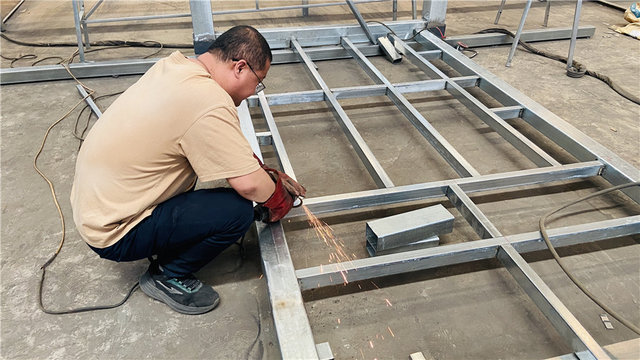
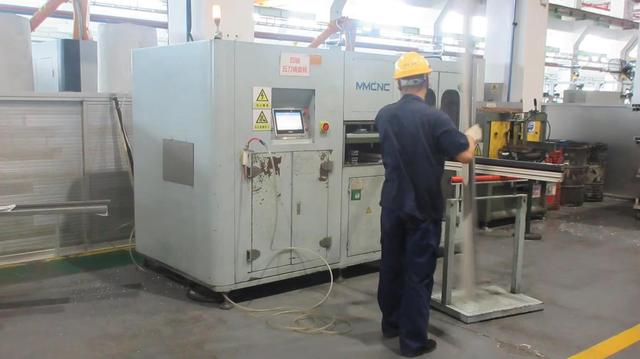
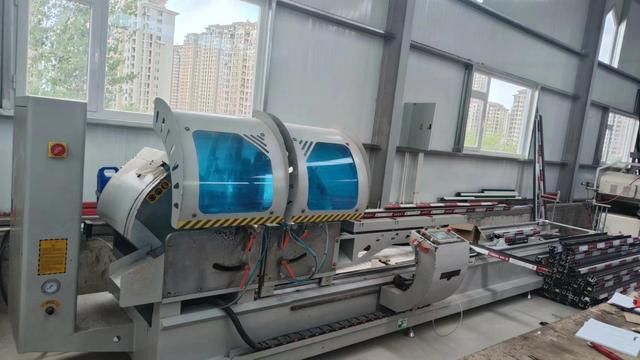
The strength of a modular structure depends on its metal framing. Top factories use high-precision CNC roll-forming machines to shape light-gauge steel (LGS) or heavy structural steel (typically Q355B grades) with sub-millimeter accuracy. Robotic welding systems ensure clean, strong welds that meet international standards (AWS D1.1 or EN 1090).
Thermal envelope integrity defines the long-term energy efficiency of a building. Premium factories feature automated assembly lines for structural insulated panels (SIPs) or multi-layered composite walls. These panels integrate high-density rockwool, polyurethane (PU), or expanded polystyrene (EPS) cores to achieve structural strength, sound dampening, fire resistance, and targeted thermal performance.
| Structural Type | Primary Applications | Best Performance Metric | Average Lead Time | Global Compliance Rating |
|---|---|---|---|---|
| Heavy Structural Steel Core | High-end multi-story villas, commercial offices, complex topography | Excellent seismic & wind resistance | 45-60 Days | Highly adaptable (IBC, Eurocode) |
| Light-Gauge Steel (LGS) | Accessory Dwelling Units (ADUs), suburban villas, resort cottages | High strength-to-weight ratio | 30-45 Days | Easily certified (CE, AS/NZS) |
| Structural Insulated Panels (SIPs) | Off-grid structures, cold-climate residential dwellings | Superior thermal efficiency (R-Value) | 30-40 Days | Very High (EU, North America) |
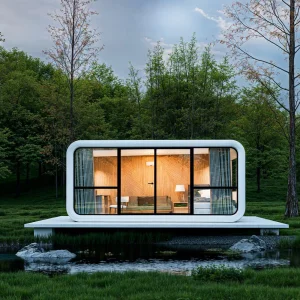
| Volumetric Capsule Pods | Smart glamping pods, mobile resorts, urban infill units | Plug-and-play installation (95% complete) | 25-35 Days | Variable; depends on local codes |
China is home to some of the world's most advanced modular housing factories, driven by integrated supply chains, advanced manufacturing capacity, and efficient logistics. Industrial clusters in the Yangtze River Delta (Zhejiang, Jiangsu, and Shanghai) and the Pearl River Delta offer unparalleled structural engineering ecosystems. The core advantages of sourcing from these regions include:
One of the largest obstacles in importing prefabricated buildings is navigating local zoning laws, building codes, and certification processes. A reliable factory must engineer its units to meet the unique environmental and regulatory conditions of the target destination.
Modular houses must be engineered to withstand localized wind loads and seismic activities. For example, structures headed to the Caribbean, Florida, or Northern Australia require heavy structural steel frames engineered to resist Category 5 hurricanes (wind speeds up to 250 km/h). Structures designed for seismically active regions like Japan, New Zealand, or California must incorporate flexible joint designs and structural steel ratings that comply with localized seismic codes (e.g., California Title 24, ASCE 7-22, NZS 1170).
Thermal envelope requirements vary significantly between regions. Dwellings destined for cold climates like Canada, Scandinavia, or Germany require thick polyurethane or rockwool insulation in the walls, floors, and ceilings to achieve low U-values (typically below 0.15 W/m²K). Conversely, tropical designs focus on reflective coatings, ventilated facades, and optimized cross-ventilation systems to minimize air conditioning costs.
A top-tier factory pre-installs plumbing and electrical wiring according to the destination country's regulations. This includes using certified wires, conduit paths, GFCI outlets, and plumbing pipes that comply with local standards (e.g., UL, NEC, and CE standards for Europe; WaterMark and SAA approvals for Australia and New Zealand).
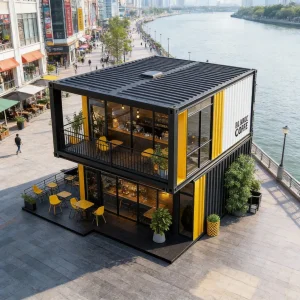
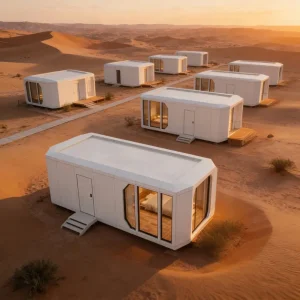
For developers planning boutique hotels, luxury campsites, or nature retreats. Mobile smart capsules and modular cabins offer an ideal solution by allowing quick installation with minimal environmental disruption to sensitive local ecosystems.
Ideal for suburban property owners looking to add rental units, home offices, or guest suites. Flat-pack modular cabins can be quickly shipped and assembled in backyard spaces with limited site access.
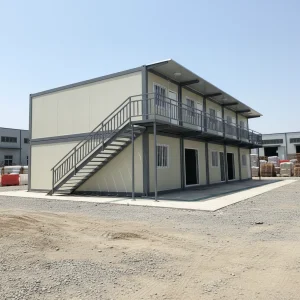
Optimized for mining sites, construction projects, and agricultural installations. Detachable container offices, modular dormitories, and multi-story labor camps provide durable, scaleable, and reusable workspaces.
Navigating the purchase process with an international modular building factory requires a clear, structured workflow. The following steps help ensure a smooth transaction from initial consultation to final delivery:
Hangzhou CovetNest Build Co., Ltd. is a leading China luxury modular home manufacturer specializing in custom prefab villa solutions for residential, hospitality, and resort projects worldwide. With a strong commitment to innovation, craftsmanship, and sustainable construction, the company delivers premium modular housing solutions that combine sophisticated design, superior quality, and modern living experiences.
The company offers a diverse portfolio of products, including luxury modular homes, custom prefab villas, contemporary prefabricated residences, modular resort villas, smart homes, vacation homes, and turnkey modular housing solutions. Designed to meet the highest standards of aesthetics, comfort, and durability, CovetNest's modular structures provide customers with elegant living spaces while significantly reducing construction time and on-site labor requirements.
Hangzhou CovetNest Build Co., Ltd. operates advanced manufacturing facilities equipped with automated production lines, precision fabrication equipment, and rigorous quality management systems. Supported by an experienced team of architects, engineers, and project specialists, the company provides comprehensive one-stop services, including architectural design, structural engineering, manufacturing, quality inspection, logistics coordination, and installation support.
Driven by innovation and sustainability, CovetNest integrates energy-efficient materials, smart home technologies, and environmentally responsible construction practices into every project. The company's modular housing systems are widely used in luxury residences, vacation properties, hospitality developments, eco-resorts, and high-end commercial accommodation projects across global markets.
Quality, integrity, and customer satisfaction remain the core values of Hangzhou CovetNest Build Co., Ltd. Through continuous technological advancement and customer-focused service, the company has established long-term partnerships with clients throughout Asia, Europe, North America, the Middle East, Africa, and Oceania. CovetNest remains dedicated to creating premium modular living solutions that redefine modern luxury and deliver lasting value to customers worldwide.
Essential answers to help structural engineers, property developers, and residential builders source high-quality modular housing.
 CovetNest Build