Whitepaper & Procurement Guide 2025

Top 10 Sustainable Luxury Villas Manufacturers & Factories

A comprehensive analysis of prefabricated engineering, off-site modular design, and industry 4.0 supply chain integration for eco-conscious global developers.

Global Luxury Prefabricated Solutions - Series A

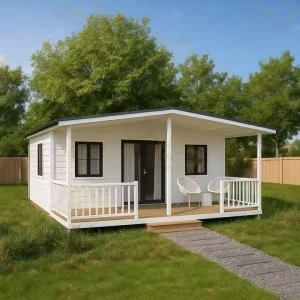
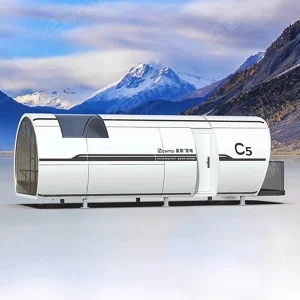
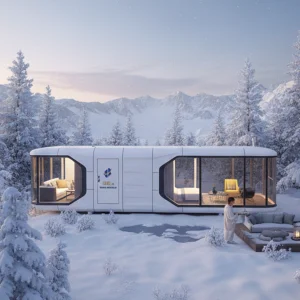
C5 Zcamp Tiny House Prefab Mobile Luxury Resort

C5 Zcamp Tiny House Prefab Homes Prefab Houses Mobile House Luxury Modular Resort for Sale

Explore Specifications
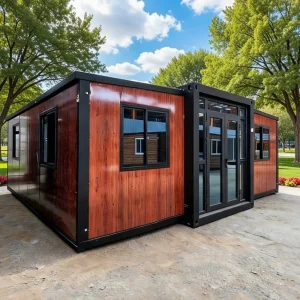
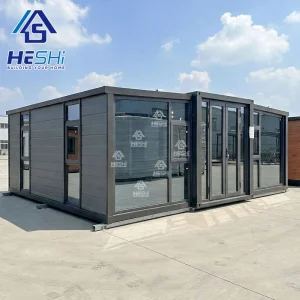
Expandable Container House Modular Design Luxury

Steel Structure Outdoor Expandable Container House Bedroom Kitchen Modern Design Portable Modular Prefabricated Luxury House

Explore Specifications
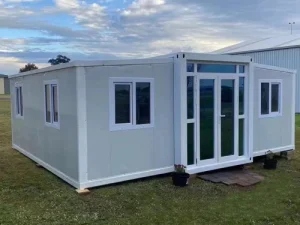
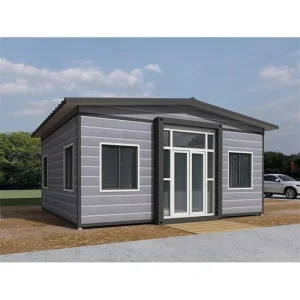
Expandable Container House Modular Tiny Home Australia

Expandable Container House with Gable Roof Modular Granny Flat Tiny Home for Australian Backyard Living

Explore Specifications
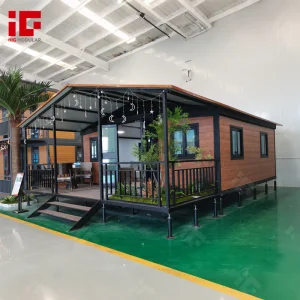
Luxury Prefabricated Modular Home with Smart Design

Luxury Prefabricated Modular House Ready Made Homes with Smart Interior Layout and Modern Living Design

Explore Specifications
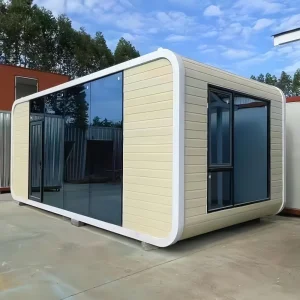
Eco-friendly Luxury Prefab Capsule House

Eco-friendly Luxury Prefab Portable Capsule House

Explore Specifications
China Factory Prefabricated Villa

China Factory Villa Produce Prefabricated Building/ Prefabricated House Price

Explore Specifications
Lightweight Prefabricated Container Smart Cabin

Lightweight Prefabricated Container Tiny Space Capsule Mini House Moveable Pod Homes Office Smart apple Cabin

Explore Specifications
Eco-Friendly Prefabricated Expandable Container House

Eco Friendly Prefabricated Luxury 40Ft 20Ft 30Ft Container Expandable House Prefab Shipping Home 2 4 5 Bedroom Casa Modular

Explore Specifications
Executive Market Analysis

The Convergence of Sustainable Engineering and High-End Hospitality

The global market for sustainable luxury villas is undergoing a tectonic shift. Residential developers, boutique eco-resorts, and hospitality chains are increasingly moving away from site-built masonry structures. Instead, they are embracing off-site prefabrication, modular architecture, and parametric design principles.

This transition is propelled by three concurrent forces: rising regional construction labor costs, strict local ecological regulations, and demand for faster capital-to-revenue cycles. By manufacturing high-end structures in controlled factory environments, builders achieve unprecedented quality control, minimize site disruption, and guarantee carbon footprint reductions.

Our comprehensive evaluation highlights the core structural advantages, material science advancements, and localization adaptations that define contemporary prefabricated luxury construction today.

Primary Drivers for Modular Luxury

  • 50% Reduction in Project Timelines
  • Zero-waste manufacturing tolerances
  • Enhanced resistance to seismic & gale events
  • Integration of low-carbon building materials
65%
Faster ROI Delivery
Zero
On-Site Wet Work
A+
Energy Performance Rating
100%
Recyclable Steel Frames
Market Evolution

Global Procurement Trends: What Developers Demand

B2B procurement criteria for luxury prefab modules are no longer based on price alone. Modern developers look closely at engineering compliance, insulation technologies, and logistical efficiency.

Advanced Environmental Compliance

Developers targeting certified eco-labels demand prefabricated modules with low VOC emissions, FSC-certified woods, and recycled insulation cores. Modern manufacturing techniques ensure zero thermal bridging, dramatically reducing operational HVAC costs.

Turnkey Integration & Smart Controls

The standard for "luxury" has shifted towards high-tech integration. Modern prefab villas feature integrated smart-home technology, customized ambient lighting, automated climate zones, and concealed ducting, pre-wired and certified at the factory level.

Logistical Precision & Rapid Erection

With remote destinations driving ecotourism, structural modules must be designed to withstand long ocean transits and be easy to assemble upon arrival. Flat-pack or modular designs ensure minimal heavy machinery is needed on-site.

Factory in Focus

China Smart Manufacturing 4.0: Supply Chain Resilience & Cost-Efficiency

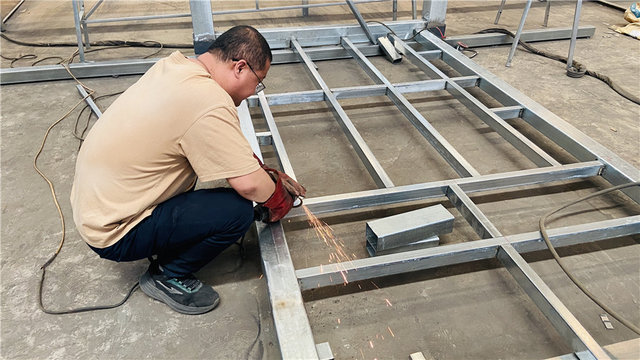
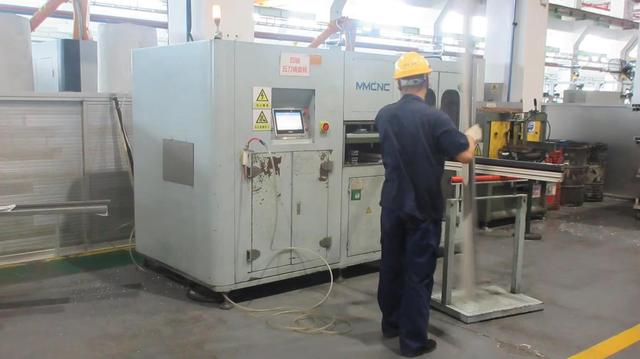
At the core of the global prefab revolution is the integration of advanced Chinese logistics and smart manufacturing. Companies like Hangzhou CovetNest Build Co., Ltd. represent this modern shift. Operating highly integrated production centers, they use automated laser-cutting tools, precision welding systems, and structural stress-testing stations to deliver high-quality prefabricated structures.

The primary benefit of this approach is supply chain consolidation. By sourcing structural steel, triple-glazed windows, insulation, finishes, and smart electrical fixtures in a single region, manufacturing costs are minimized, and delivery schedules remain highly predictable.

Furthermore, using BIM (Building Information Modeling) software allows architects and engineers to test and refine structures before production begins, ensuring zero-error tolerances on site.

Hangzhou CovetNest Build Co., Ltd. Overview

Hangzhou CovetNest Build Co., Ltd. is a leading China luxury modular home manufacturer specializing in custom prefab villa solutions for residential, hospitality, and resort projects worldwide. With a strong commitment to innovation, craftsmanship, and sustainable construction, the company delivers premium modular housing solutions that combine sophisticated design, superior quality, and modern living experiences.

The company offers a diverse portfolio of products, including luxury modular homes, custom prefab villas, contemporary prefabricated residences, modular resort villas, smart homes, vacation homes, and turnkey modular housing solutions. Designed to meet the highest standards of aesthetics, comfort, and durability, CovetNest's modular structures provide customers with elegant living spaces while significantly reducing construction time and on-site labor requirements.

Operational Capabilities

One-Stop Turnkey Project Execution

From initial structural layout design to international ocean freight logistics and local building assembly support.

Architectural & Structural Design

Integrating architectural aesthetics with advanced structural design, CovetNest ensures every frame meets regional wind, snow, and seismic load regulations.

Advanced Manufacturing & Quality Inspection

Operating advanced manufacturing facilities with automated production lines and rigorous quality management systems to guarantee flawless modular tolerances.

Global Logistics & Assembly Support

Delivering modules safely across global ports and supplying comprehensive assembly guides, detailed blueprints, and on-site engineering supervision.

"Quality, integrity, and customer satisfaction remain the core values of Hangzhou CovetNest Build Co., Ltd. Through continuous technological advancement and customer-focused service, the company has established long-term partnerships with clients throughout Asia, Europe, North America, the Middle East, Africa, and Oceania."

B2B Evaluation Matrix

Prefabricated Engineering Comparative Matrix

A technical guide for B2B buyers evaluating sustainable prefab structures for commercial and residential developments.

Villa Classification Structural Frame Type Wind & Seismic Rating Thermal Transmittance (U-Value) Primary Commercial Use Case
Capsule / Smart Pod Houses Heavy-gauge Galvanized Steel Class 12 Wind / Grade 8 Seismic < 0.24 W/(m²K) Eco-Resorts, Glamping Parks, Wellness Retreats
Expandable Modular Units Light Steel Frame + Flex Hinges Class 10 Wind / Grade 7 Seismic < 0.28 W/(m²K) Residential Extensions, Offices, Workforce Housing
Turnkey Luxury Prefab Villas Structural Steel + Light Wood Siding Class 14 Wind / Grade 9 Seismic < 0.18 W/(m²K) Custom Private Estates, High-End Hotel Suites
Geodesic Domes / Tents Aluminum / PVC Geodesic Arch Class 9 Wind / Moderate Load Variable (Internal Liner) Eco-Glamping Sites, Seasonal Accommodations

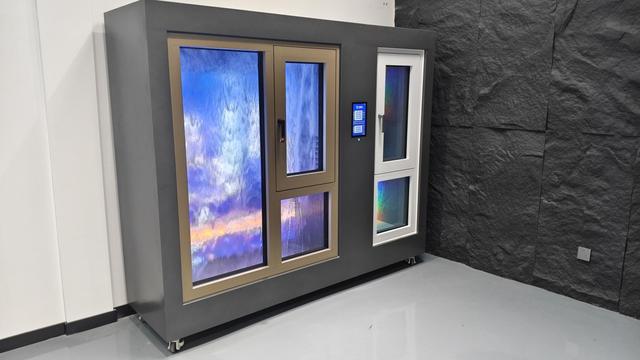
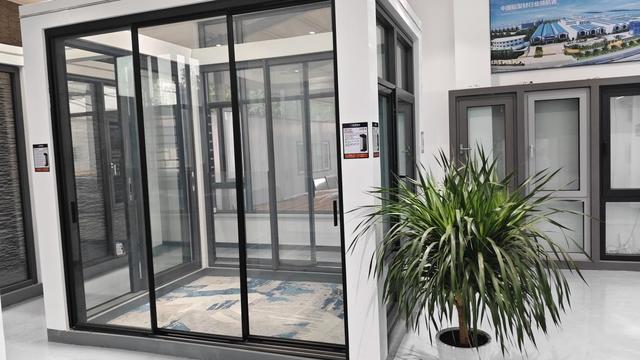
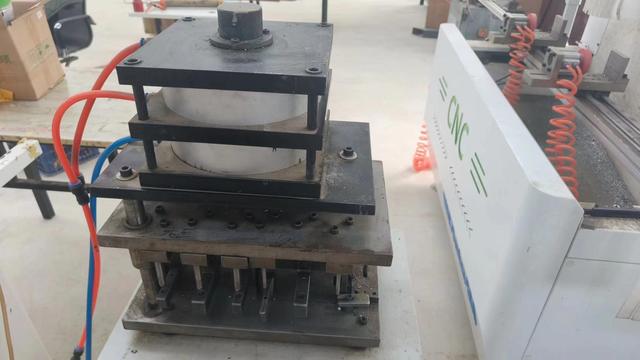
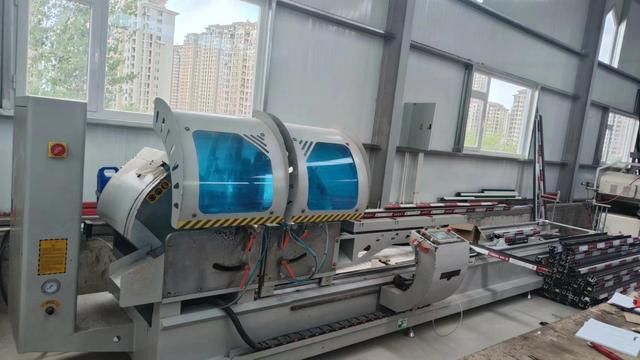
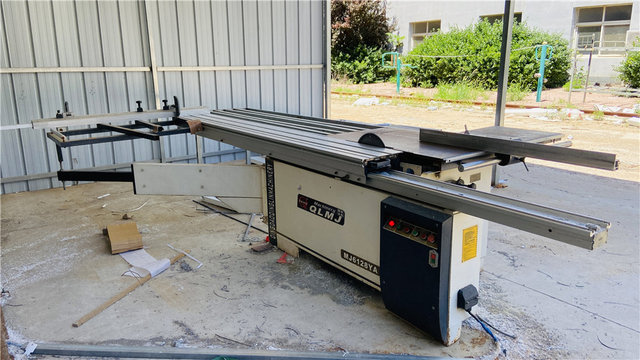
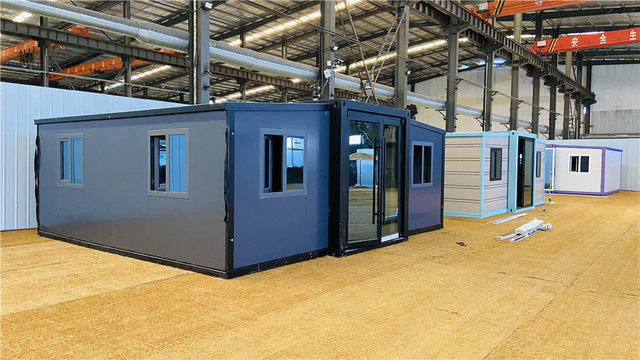
A visual look inside the factory and completed residential sites, highlighting structural engineering precision.
Application Engineering

Localization: Adapting to Global Climatic & Building Codes

Pre-engineered structures must be adapted for specific regional climates to ensure compliance with local building regulations.

Alpine & Cold Climate Adaptation

For regions like Northern Europe, North America, and Alpine zones, structures require high-performance insulation (polyurethane or rockwool), triple-glazed low-E gas windows, and steep roof pitches to handle heavy snow loads.

Arid & High-Temperature Environments

Projects in the Middle East and African savanna require active solar reflection surfaces, high-performance thermal breaks, UV-stabilized exterior coatings, and integrated HVAC systems with smart dust-filtration loops.

Coastal & High-Humidity Locations

For coastal locations subject to salt spray and high humidity, we utilize marine-grade C5-M galvanized coatings on all steel structural elements, paired with non-corrosive fasteners and mold-resistant cladding materials.

FAQ Database

Prefabricated Engineering & Procurement Q&A

Detailed technical answers to the most common questions raised by developers and engineering consultancies.
What is the structural lifespan of a modular luxury villa?

The structural frame of our modular luxury villas is built from heavy-duty galvanized structural steel, providing a design lifespan of 50 to 70+ years. This matches traditional site-built reinforced concrete structures when standard exterior maintenance practices are followed.

How do prefabricated modular villas handle international building permits?

Our architectural and engineering drawings can be structured to meet specific regional building regulations, including IBC (International Building Code), Eurocodes, and AS/NZS standards. The local architect of record coordinates the engineering submittals, which we support by providing structural calculations and materials certificates.

Can these units be configured for off-grid operations?

Yes. Our prefabricated villas are designed to integrate roof-mounted solar photovoltaic systems, hybrid battery storage setups, rainwater harvesting filtration units, and eco-friendly composting toilets to support completely off-grid operations.

What is the impact of maritime shipping on the interior finishes?

All finished interior components are secured using high-durability vibration-absorbing mounts. During transit, modules are wrapped in protective heavy-gauge shrink-wrap and shipped in specialized ocean-freight racks or containers to prevent water ingress and physical damage.

How does the installation process work on-site?

The foundation (typically concrete slab, point footings, or helical screw piles) is prepared on-site ahead of delivery. Once the modules arrive, they are craned into position, anchored to the foundation, and connected to local water, sewage, and power utilities. Most assemblies are completed within days.

What insulating materials are used to ensure energy efficiency?

We utilize high-density polyurethane (PU) foam cores, rockwool boards, and double-sided reflective radiant barriers. This thermal profile achieves low U-values, maintaining stable indoor temperatures while minimizing energy draw.

Are modular villas resistant to severe storms and high wind speeds?

Yes. Our villas are engineered to withstand wind loads up to class 12 to 14 (depending on the specific model and regional reinforcement), making them highly resilient options for coastal hurricane zones and open-plain terrains.

How do you manage quality control during the manufacturing process?

Quality control is integrated at every phase. We perform raw material steel certifications, continuous welding inspection, structural alignment checks via precision laser leveling, and hydrostatic testing on all integrated plumbing lines prior to packaging.

What level of customization is possible for residential developers?

We support high levels of architectural customization. While external dimensions are typically standardized to optimize shipping configurations, interior partition layouts, finishes, glazing, facades, and utility routes can be fully customized to meet design parameters.

How does prefabricated assembly reduce local environmental impact?

Since construction takes place off-site, there is minimal heavy machinery work, less concrete dust runoff, and reduced noise pollution on site. This is particularly advantageous for ecologically sensitive areas, such as national parks or marine sanctuaries.

Global Luxury Prefabricated Solutions - Series B

Apple Pod House Outdoor Prefabricated Capsule

20 To 40 Feet Apple Pod House Outdoor Ecological Capsule House Luxury Pod Prefabricated Capsule House Pod

Explore Specifications
Luxury Prefabricated Container Office Trailer

Luxury Prefabricated Container Houses and Portable Office Trailers for Sale Mobile Event Trailer Office

Explore Specifications
Luxury Living Prefab Insulated Container House

Luxury Living Prefab Insulated Steel Container House 20ft/40ft Expandable Extendable Prefabricated Apartment & Hotel Use

Explore Specifications
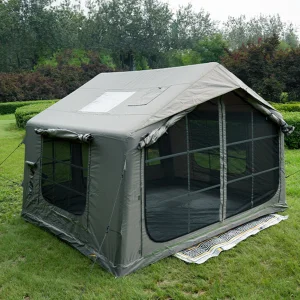
Premium Inflatable Camping Tent Glamping

Premium 8m2 Inflatable Camping Tent Oxford Outdoor Glamping Shelter Moon White Air Tent With Vent Window Factory

Explore Specifications
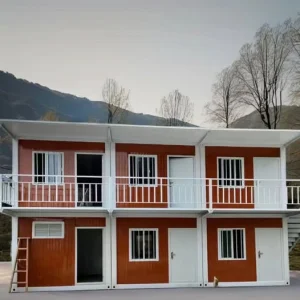
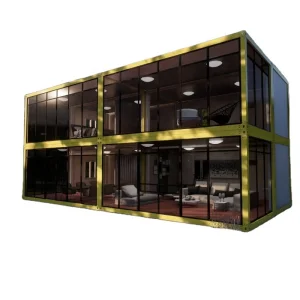
Modular Container Houses Two Story

Modular Container Houses Permanent Container Residence Home Two-Story Container

Explore Specifications
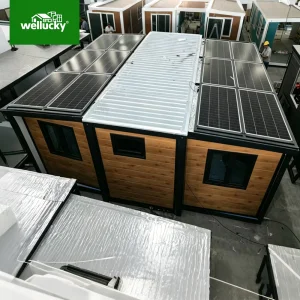
Luxury Solar Off Grid Expandable Container House

Luxury Solar Off-Grid Expandable Container House 20ft/40ft Farmhouse Design Insulated Fireproof Mobile Modular Outdoor Apartment

Explore Specifications
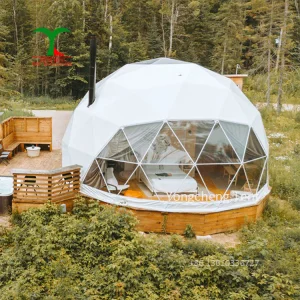
Luxury Transparent PVC Geodesic Dome Tent

Luxury 6m Transparent PVC Garden Hotel Igloo Glamping House Geodesic Dome Tent

Explore Specifications
Custom Prefabricated Garden House Shed

Custom Prefabricated Backyard Gardens Shed Houses Offices Studios Luxury Prefabricated Garden Houses and Cottages

Explore Specifications