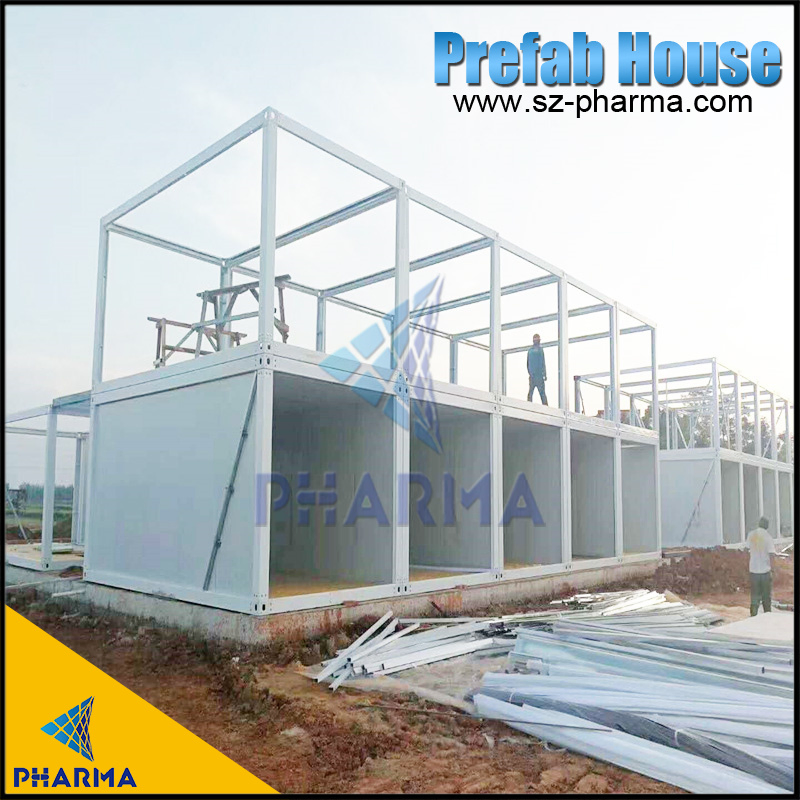
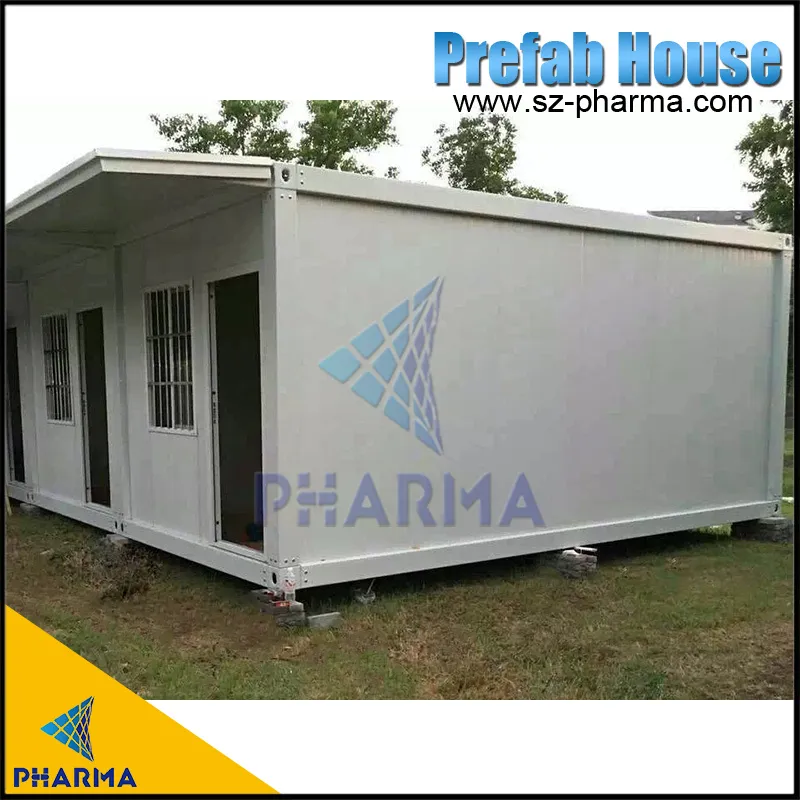
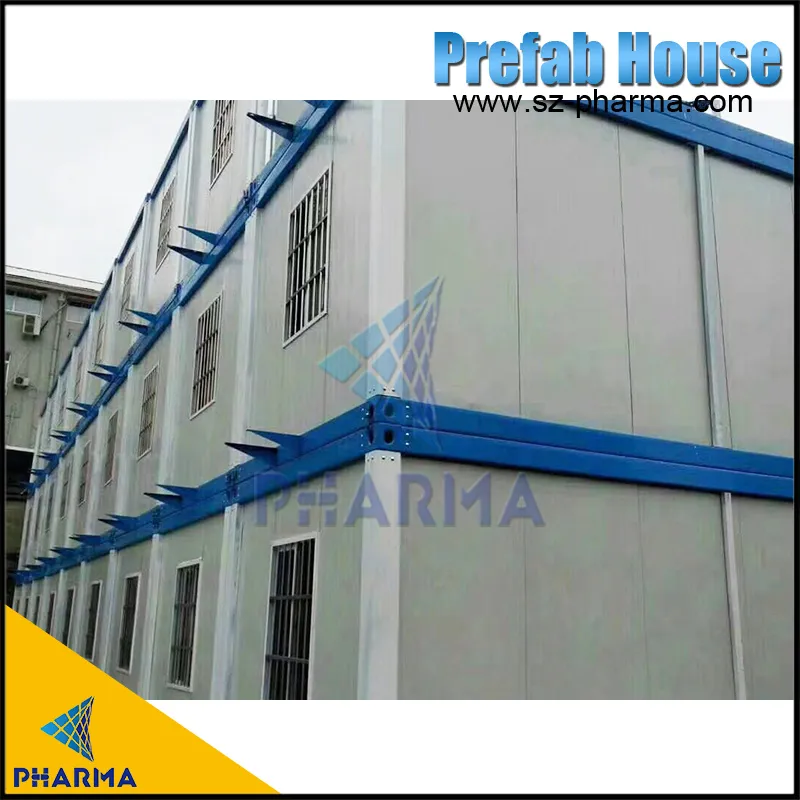
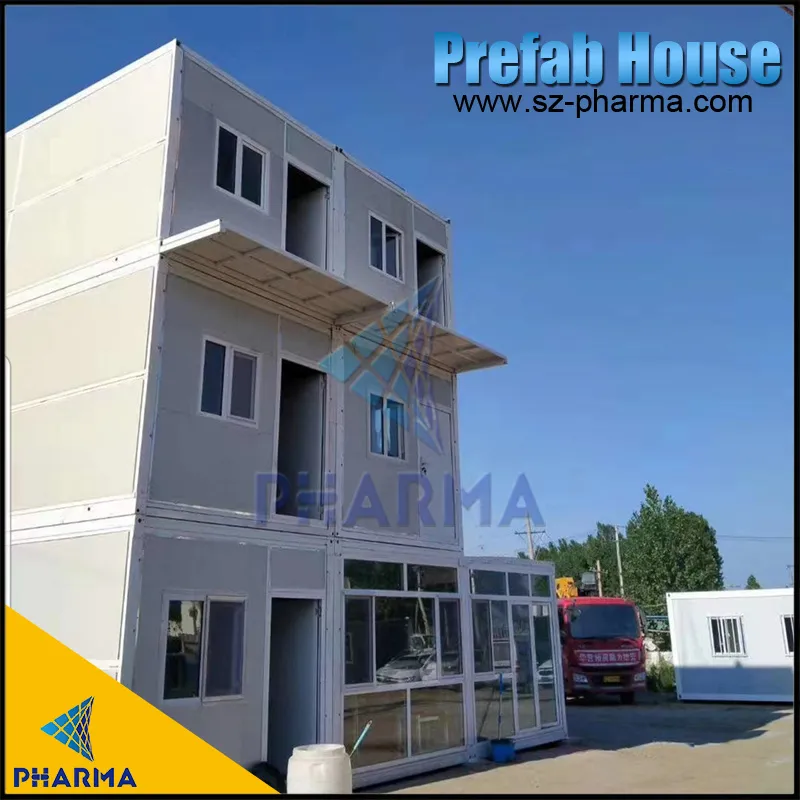
The choice of a residential container depends on what it is used for, whether it is used for residence or as an office, warehouse, etc., as well as the surrounding natural environment and climatic conditions. These factors will affect the use of the residential container. For example, you want to buy a residential container to improve the quality of the life.
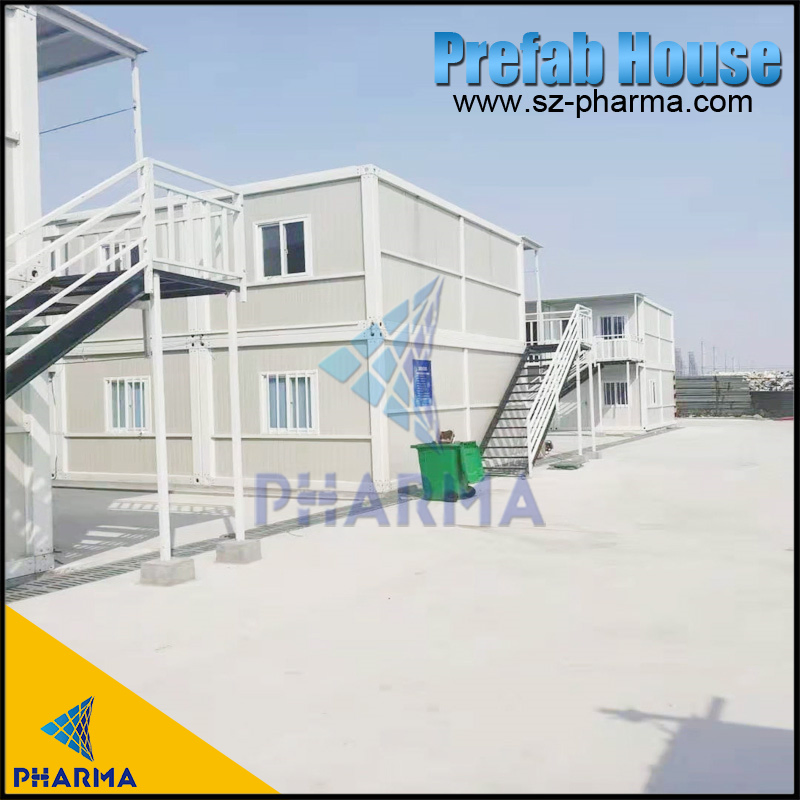
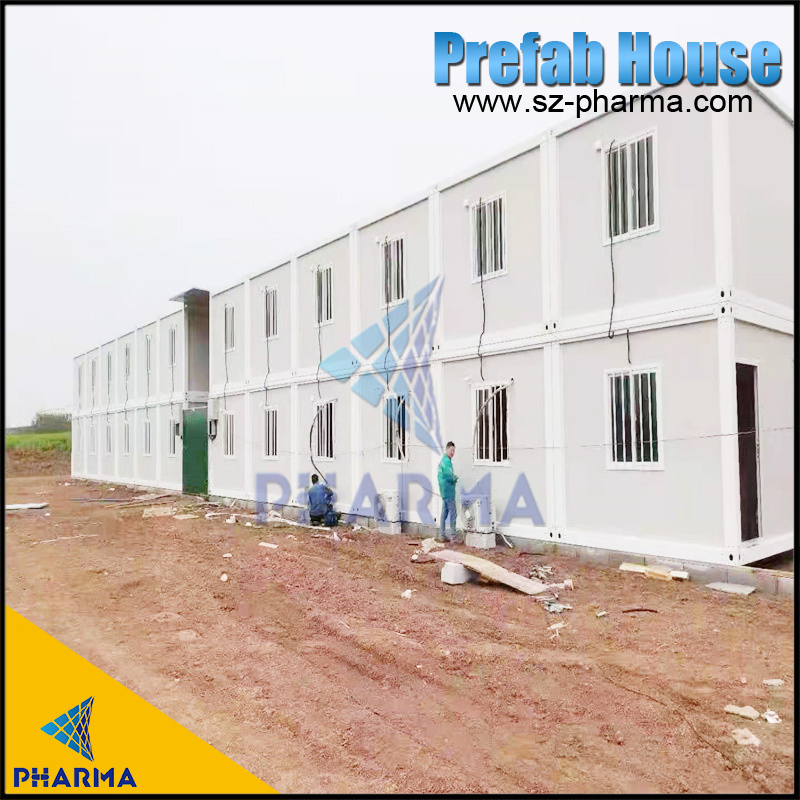
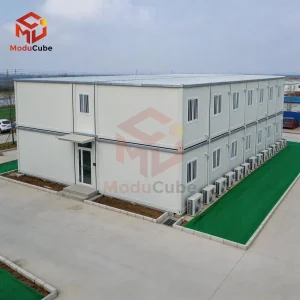
The living container is environmentally friendly, has a good function, and also plays a role in maintaining the environment. It can be moved at any time, and the internal structure space is also small. It is suitable for two or three people to live in. Where there is a construction site, there will be containers for occupants, followed by unmanned shops in commercial streets and apartments, etc. On the construction site, many workers live in such mobile houses.
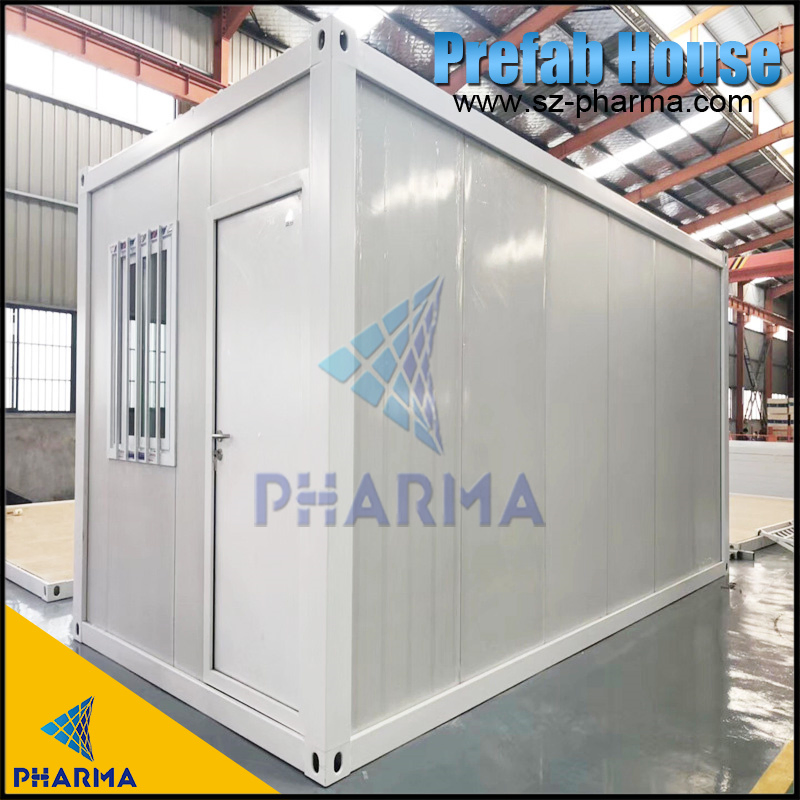
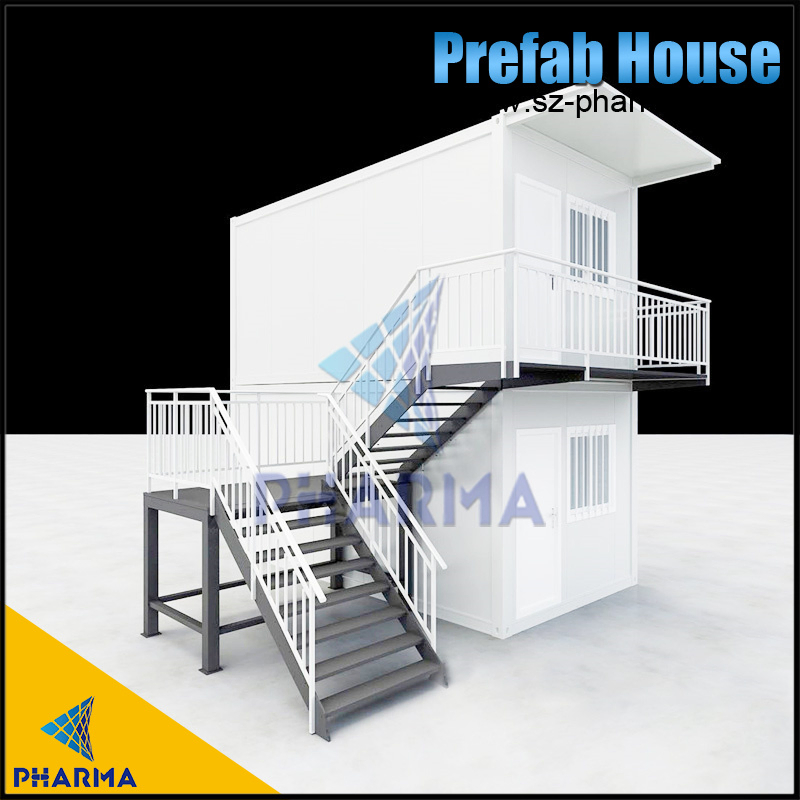
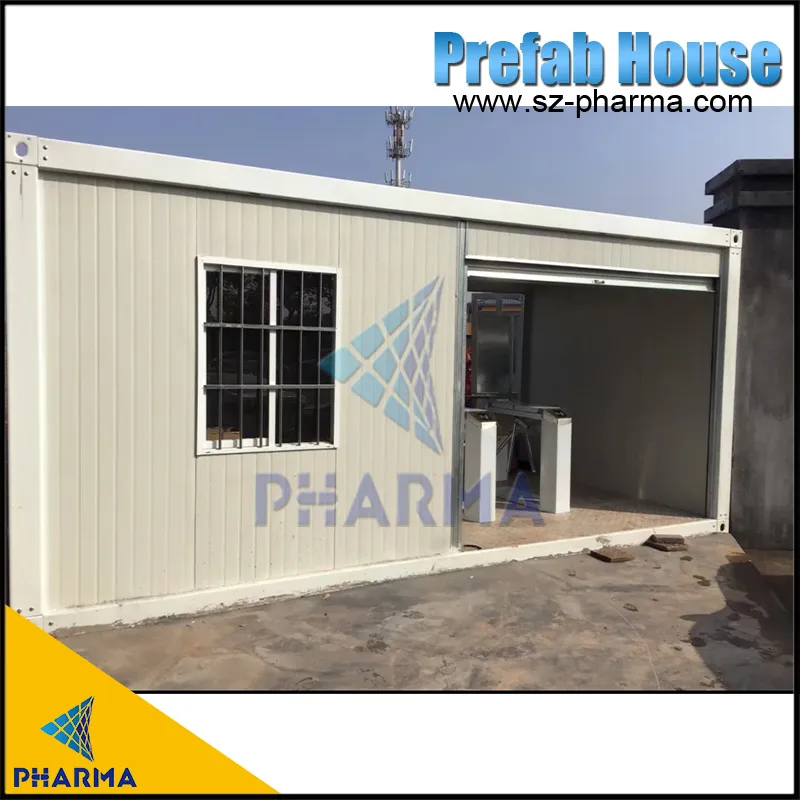
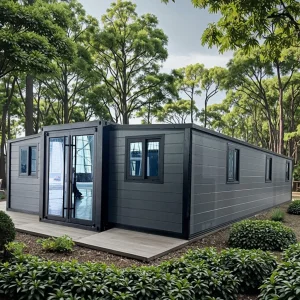
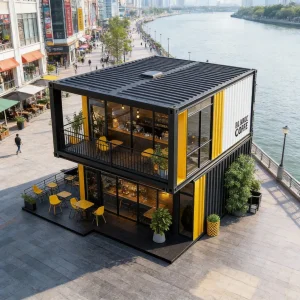
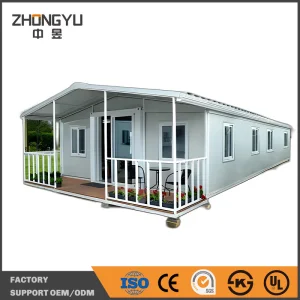
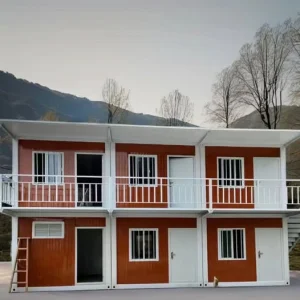
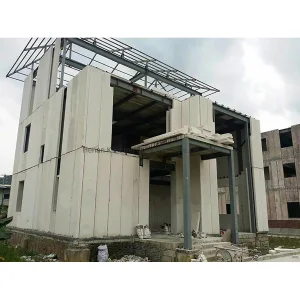
The biggest advantage of container house construction is the speed and rich shapes. Whether it is a small one-storey villa like the picture above or a luxurious three-storey villa like the picture below, it can be easily built. Also in line with the current mainstream of environmental protection. The combination of containers of different sizes can build the most exquisite and unique modern rural villas.
Frequently Asked Questions
1. What are the key advantages of using a modular container house?
Modular container houses are eco-friendly, fast to install, windproof, lightweight, and earthquake-resistant (up to grade 8 performance). They offer exceptional structural versatility and speed of assembly compared to traditional construction.
2. What is the typical service life of these container homes?
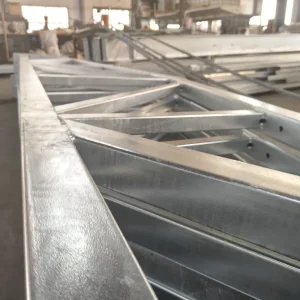
Built with robust galvanized light steel frames and high-quality sandwich panels, these container homes have an expected service life of 10 to 15 years depending on maintenance and local climate conditions.
3. Can the dimensions and layout of the container houses be customized?
Yes. While the standard specifications include 20FT and 40FT sizes (such as 6055x2990x2896mm), the size, color, configuration, and materials can be customized according to specific customer requirements.
4. What materials are used for wall and roof insulation?
The walls utilize 75mm thickness white gray flat sandwich plates with outer color steel embossing. The roof consists of white gray color steel plate combined with dedicated insulation cotton and durable ceiling boards to ensure sound thermal efficiency.
5. What are the primary applications for these container structures?
They are highly multi-functional and suitable for temporary or permanent applications, including residential homes, offices, hotels, restaurants, clinics, toilets, clean rooms, laboratories, workshops, and temporary housing on construction sites.
6. How are the houses transported and packaged for delivery?
To ensure safety during transit, the components are packed inside export-grade wooden cases, allowing for secure shipment and efficient container layout transport globally.
 CovetNest Build