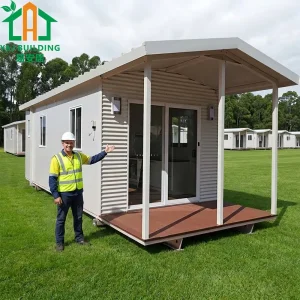
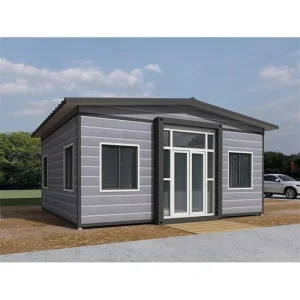
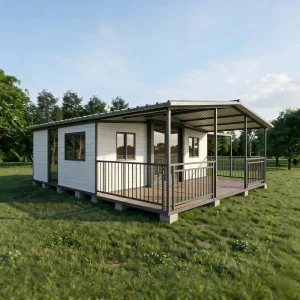
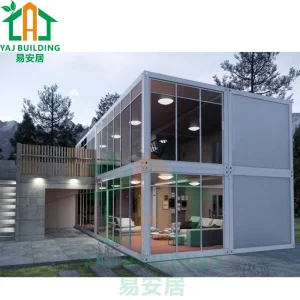
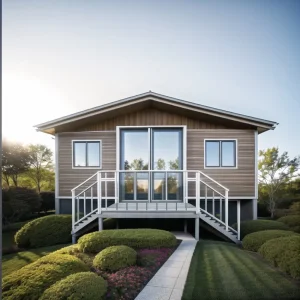
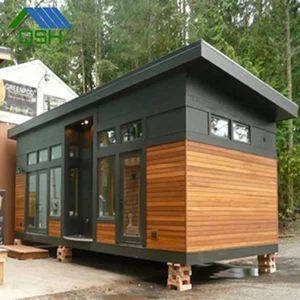
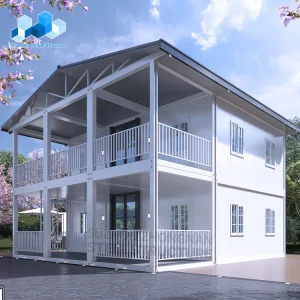
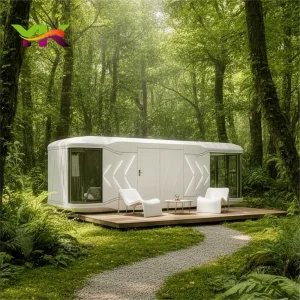
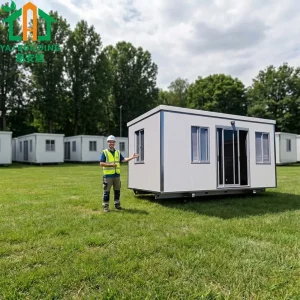
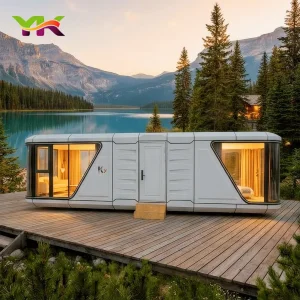
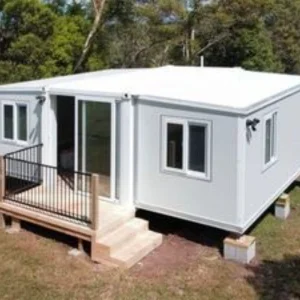
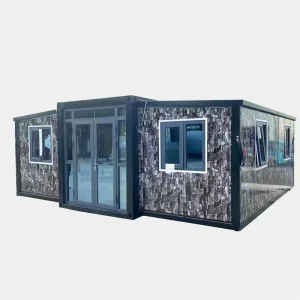
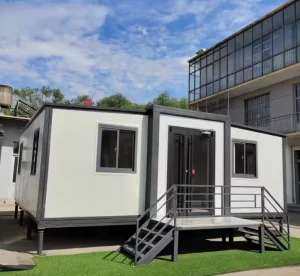
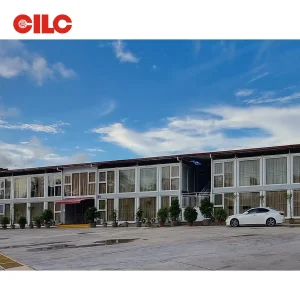
Innovative designs optimized for local assembly, high thermal performance, and dynamic aesthetic value.
Global Export Markets
Average On-site Assembly Time
Structural Steel Grade Options
Seismic Zone Compliant
Ethiopia is undergoing one of the most rapid urban transitions in East Africa. Cities such as Addis Ababa, Hawassa, Adama, and Dire Dawa are experiencing unprecedented population growth, placing immense pressure on municipal infrastructure and housing availability. Traditional construction methodologies, which rely heavily on cast-in-place concrete and timber-formwork masonry, are struggling to match this demand. Challenges include prolonged completion timelines, material supply chain disruptions, fluctuating local cement prices, and structural quality inconsistencies.
In response to these constraints, modern modular home technology is stepping in as a critical solution. Characterized by off-site steel fabrication, standardized components, and rapid on-site assembly, modular construction minimizes material waste and cuts construction schedules by up to 60%. As the Ethiopian government continues to invest in industrial parks and push for public-private partnerships in real estate, imported pre-engineered modular structures present a reliable path forward for commercial developers, tourism resort operators, and residential projects alike.
Building in Ethiopia requires close attention to geological and climatic diversity. Our structural engineers design modular systems in compliance with the Ethiopian Building Code Standards (EBCS) and European standards (Eurocodes) to address specific local hazards:
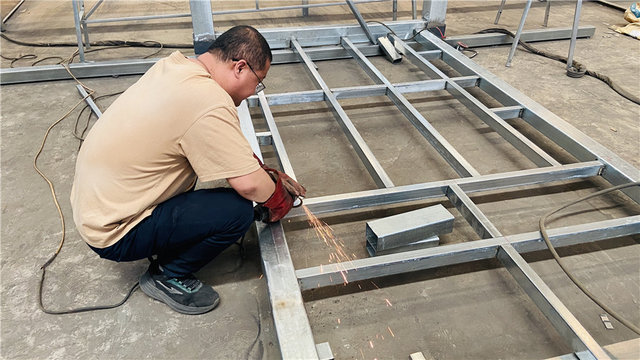
The East African Rift Valley, which cuts directly through central Ethiopia, presents moderate to high seismic risk. Our modular frames utilize light-gauge steel (LGS) and structural Q355 hot-dip galvanized steel tubing. These materials offer superior ductility, allowing modular structures to absorb and dissipate seismic energy without catastrophic failure. Unlike heavy masonry, which is prone to shear cracking, steel modular homes offer reliable safety profiles in seismic zones.
Addis Ababa sits at an altitude of over 2,200 meters, characterized by warm days and cool nights. Meanwhile, low-lying regions like the Afar and Somali states experience sustained extreme heat. To maintain comfortable indoor temperatures without high energy bills, our modular panels feature high-density polyurethane (PU) or rockwool insulation cores. These materials deliver low thermal conductivity (U-values as low as 0.24 W/m²K), keeping heat out during the day and retaining warmth during cool nights.
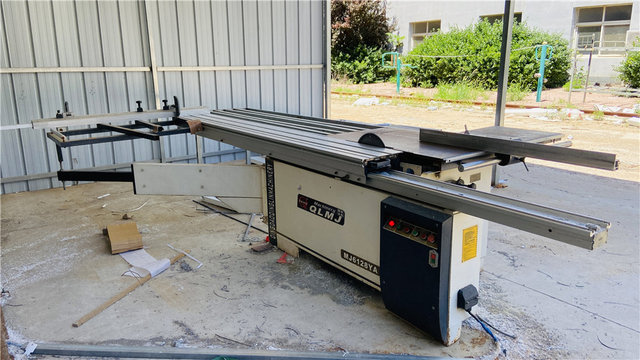
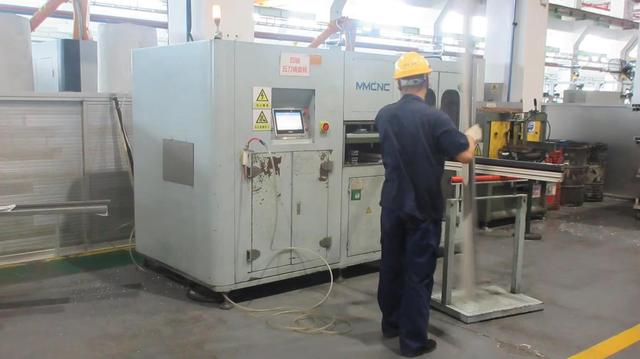
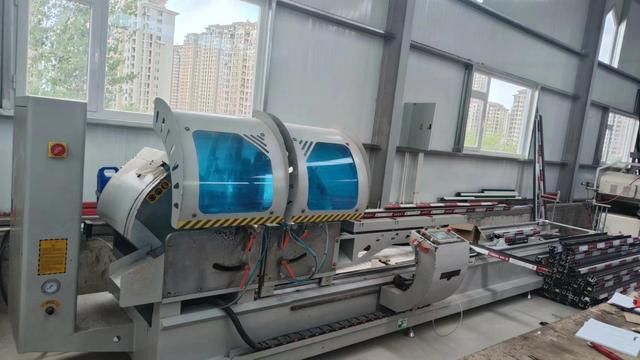
As a leading Chinese exporter of modular structures, Hangzhou CovetNest Build Co., Ltd. combines advanced factory manufacturing with efficient global logistics. Operating out of automated production facilities, we process structural components with precision CNC machinery, ensuring tolerances within fractions of a millimeter.
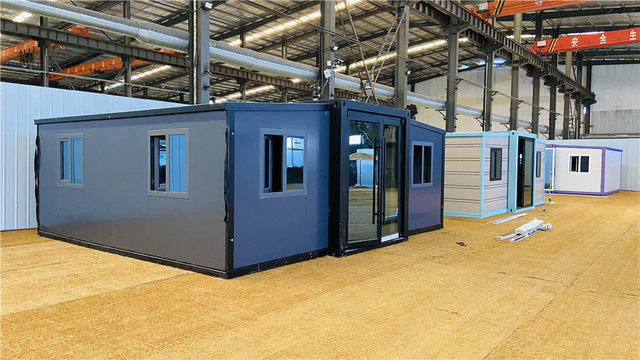
This factory-controlled environment eliminates variables that typically slow down traditional site work—such as weather delays, material inconsistencies, and on-site assembly errors. Every module is dry-fitted and inspected before being flat-packed or pre-assembled in sea containers, ensuring a smooth, predictable assembly process when the shipment arrives in Ethiopia.
Modular homes adapt efficiently to several key sectors in Ethiopia, offering speed and flexibility where conventional construction struggles:
Shipping logistics are a key part of importing modular units to Ethiopia. The typical supply chain begins at our factory in Hangzhou, routes through Shanghai or Ningbo ports, and arrives at the Port of Djibouti. From there, cargo travels via the Ethio-Djibouti Railway directly to the Modjo Dry Port near Addis Ababa. To optimize transport costs, we pack modular systems into flat-packs or standard 40ft High Cube containers, maximizing shipping efficiency.
Once on-site, assembly is designed for speed. Standard modular units do not require heavy crane setups; a basic 3-ton forklift or standard site crane is sufficient. CovetNest provides detailed architectural drawings, assembly videos, and remote engineering guidance to ensure local contractors can complete installation smoothly and safely.
Designed for durability, speed, and comfort in challenging environments.
Pre-engineered connections allow local crews to assemble a standard unit within hours, reducing project schedules and financing costs.
Designed for structural flexibility. Meets international code requirements for seismically active areas, including the Rift Valley.
High-density insulation core options minimize energy costs, maintaining a stable, comfortable interior temperature year-round.
Hangzhou CovetNest Build Co., Ltd. operates advanced precision manufacturing plants in China, producing certified modular structures for global export.
Hangzhou CovetNest Build Co., Ltd. is a leading China luxury modular home manufacturer specializing in custom prefab villa solutions for residential, hospitality, and resort projects worldwide. With a strong commitment to innovation, craftsmanship, and sustainable construction, the company delivers premium modular housing solutions that combine sophisticated design, superior quality, and modern living experiences.
Our company offers a diverse portfolio of products, including luxury modular homes, custom prefab villas, contemporary prefabricated residences, modular resort villas, smart homes, vacation homes, and turnkey modular housing solutions. Designed to meet the highest standards of aesthetics, comfort, and durability, CovetNest's modular structures provide customers with elegant living spaces while significantly reducing construction time and on-site labor requirements.
Hangzhou CovetNest Build Co., Ltd. operates advanced manufacturing facilities equipped with automated production lines, precision fabrication equipment, and rigorous quality management systems. Supported by an experienced team of architects, engineers, and project specialists, the company provides comprehensive one-stop services, including architectural design, structural engineering, manufacturing, quality inspection, logistics coordination, and installation support.
Common questions regarding regulatory standards, shipping, and technical performance in the Ethiopian region.
Prefabricated buildings are imported under HS Code 94069000. Under current Ethiopian import tariff regulations, importing pre-engineered systems for industrial projects or hotel developments may qualify for specific investment duty exemptions. Please consult with our logistics team or your local customs broker for details.
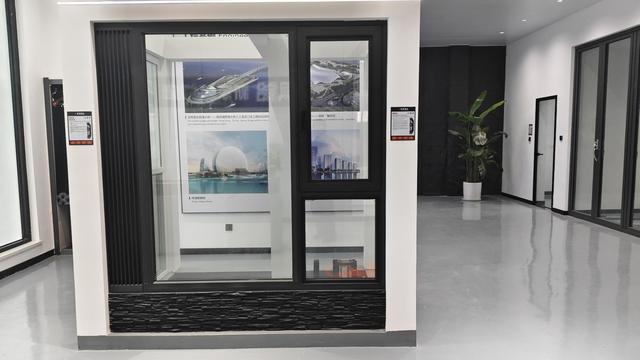
Our homes are constructed with dual-barrier seals and hot-dip galvanized structural profiles to resist high humidity and heavy rain. Double-glazed Low-E window glass and high-grade insulation cores prevent heat build-up during hot afternoons, while reducing noise from tropical rainstorms.
We provide a 15-year structural warranty on our main hot-dip galvanized steel framing systems. Wall panels, roofing systems, and electrical hardware are covered by standard 2-to-5-year warranties depending on materials specified.
We provide comprehensive concrete foundation layouts and anchor-bolt templates during the factory manufacturing stage. The buyer prepares concrete footings or a slab based on these structural drawings, ensuring on-site work is ready when the shipment arrives.
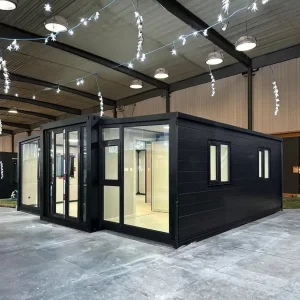
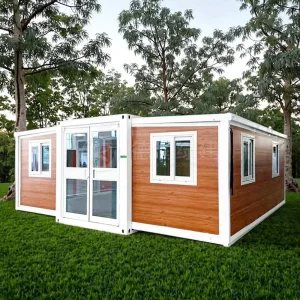
Additional modular configurations, featuring advanced designs, optimized folding systems, and high space efficiency.
From architectural concepts to delivery at dry ports, we provide comprehensive, engineering-backed modular solutions.
Send Inquiry Now CovetNest Build